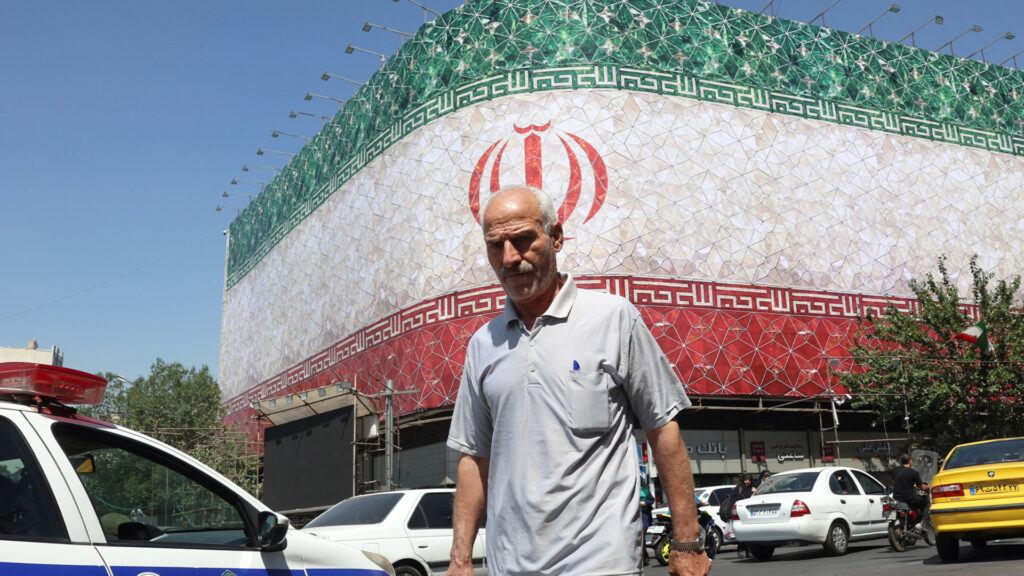
The announcement of a ‘peace deal’ between the United States and Iran has sparked significant international attention, with both sides claiming a form of victory. Yet, despite the optimistic headlines, crucial aspects of the agreement remain unresolved, pointing to ongoing negotiations and the complexity of US-Iran relations.
At the heart of the deal, purportedly aimed at reducing tensions and fostering cooperation, are several sticking points that still require serious deliberation. These unresolved issues include nuclear commitments, economic sanctions, regional security, and diplomatic recognition.
Firstly, the nuclear agreement remains a contentious topic. While both the US and Iran agree on halting nuclear weapon development, specifics on verification mechanisms, timelines, and the scope of uranium enrichment activities need further clarification. Trust deficits and adherence guarantees weigh heavily on these talks.
Secondly, economic sanctions imposed by the US remain a significant leverage point. Iran demands a full lifting of these sanctions to revive its economy, but the US insists on a phased approach tied to compliance milestones from Tehran. The extent and conditions for sanction relief are thus under intense negotiation.
Regional security dynamics also complicate the deal. The US expects Iran to curb its ballistic missile program and limit support for proxy groups across the Middle East, including in Syria, Yemen, and Lebanon. Iran, meanwhile, views these demands as infringing on its sovereignty and strategic depth.
Diplomatic engagement is another gray area, as both countries have not re-established formal diplomatic relations since the 1979 Iranian Revolution. Discussions on reopening embassies and consular missions are part of this broader dialogue but face political resistance on both sides.
Furthermore, humanitarian issues such as prisoner exchanges and human rights concerns are intertwined with the broader diplomatic negotiations. These softer but significant subjects influence public perception and political will toward a lasting agreement.
The international community, including the European Union, Russia, and China, plays a role as facilitators and stakeholders. Their involvement could help bridge gaps but also adds layers of complexity given their interests in the region.
In summary, the reported U.S.-Iran ‘peace deal’ represents a tentative step toward easing decades-long hostilities. However, critical issues including nuclear verification, sanction relief, regional security, and diplomatic normalization remain on the negotiating table. Both sides claiming victory reflects an intricate dance of diplomacy where definitive agreements are yet to crystallize.
As Osama Bin Javaid highlights on Al Jazeera, while the headlines may celebrate progress, the reality is that substantive negotiations are ongoing. Achieving a genuine and sustainable peace agreement will require continued dialogue, compromise, and the political courage to transcend entrenched historical grievances.
The journey toward a durable U.S.-Iran peace deal continues, underscoring the complexities of international diplomacy in a volatile region.