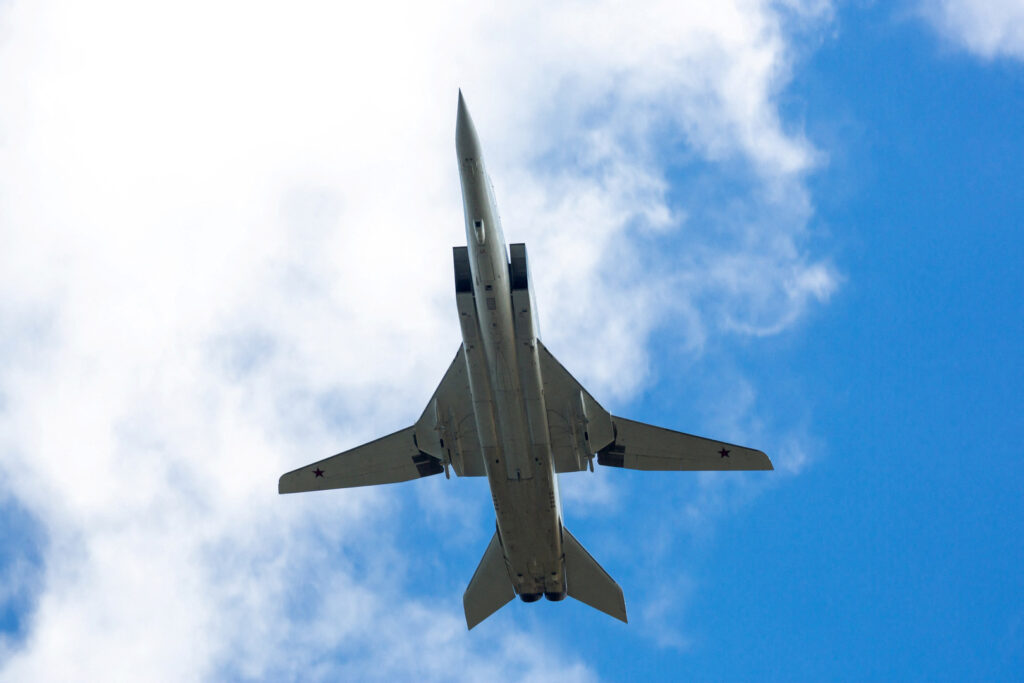
FILE PHOTO: A Russian Tu-22M3 strategic bomber plane flies above Dyagilevo military air base in the Ryazan region, Russia, August 8, 2018. REUTERS/Marina Lystseva/File Photo
A Russian Tu-22M3 strategic bomber tragically crashed in the Irkutsk region of Siberia during a routine training flight. The incident has raised concerns about the safety of military aviation operations in the area. The Tu-22M3, a supersonic bomber known for its long-range strike capabilities, is a critical asset in Russia’s aerial strategic forces.
Details regarding the cause of the crash remain unclear as investigations are underway. Initial reports suggest that the bomber was engaged in a standard training exercise when the accident occurred. No immediate information has been released about potential casualties or the fate of the crew onboard.
The Russian Ministry of Defense has confirmed the incident and stated that a joint commission has been established to investigate the circumstances surrounding the crash thoroughly. Military aviation experts emphasize the importance of rigorous training for the operation of complex aircraft like the Tu-22M3 but also point out the inherent risks involved.
The Tu-22M3, also known as the Backfire, has been in service since the 1970s and continues to be a formidable component of the Russian Air Force’s strategic bombing capabilities. It is designed to deliver nuclear and conventional weapons and is capable of supersonic flight, making it a key element in Russia’s defense strategy.
This crash in the harsh and remote Siberian region highlights the challenges faced by military personnel conducting operations in extreme weather and difficult terrain. Siberia’s vast forests and rugged landscape add complexity to search, rescue, and investigation efforts following aviation accidents.
Russia has a history of occasional military aviation accidents, often attributed to factors such as mechanical failure, pilot error, or adverse weather conditions. Each incident prompts calls for improved safety measures, updated equipment, and enhanced pilot training.
The local authorities in Irkutsk have mobilized emergency response teams to the crash site. Efforts are focused on recovering the aircraft wreckage and assisting any survivors if possible. The environmental impact of the crash is also being assessed, given the sensitive ecosystem of the region.
Russian military officials have reiterated their commitment to maintaining the readiness and effectiveness of their strategic bomber units. Despite setbacks such as this crash, the modernization and operational capability of aircraft like the Tu-22M3 remain a priority.
Families of the crew members await news from officials as the investigation continues. Public attention is expected to focus on the findings and any subsequent changes in military aviation protocols that may arise from this incident.
This event is a sobering reminder of the risks involved in military training and the importance of continual assessment and improvement in aviation safety standards. As investigations progress, more detailed information will likely emerge about the circumstances leading to the crash and measures to prevent future occurrences.