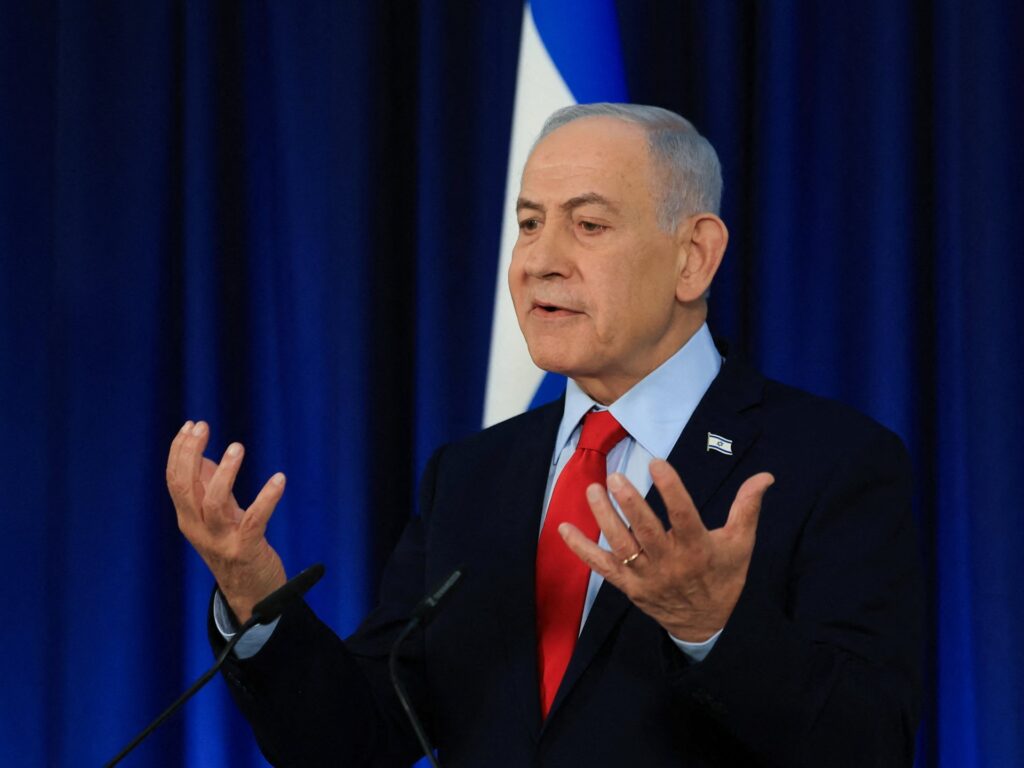
In recent statements, Israeli Prime Minister Benjamin Netanyahu declared that Israel has no plans to vacate the territories it occupies in Lebanon and Syria. This announcement comes despite a newly brokered agreement between the United States and Iran, signaling a complex geopolitical atmosphere in the region.
Netanyahu emphasized that Israel’s strategic interests and security concerns necessitate a continued presence in these areas. The prime minister’s remarks underline the Israeli government’s stance that retaining control over certain lands in Lebanon and Syria is vital for national security against hostile forces and militant groups operating from these regions.
Israel’s occupation has long been a subject of international dispute, with Lebanon and Syria asserting their rights over the territories in question. The continued Israeli control has led to tensions and intermittent conflicts, affecting the stability of the region.
The new US-Iran deal, primarily focused on nuclear issues, did not seem to influence Israel’s policy on territorial occupation, according to Netanyahu. He expressed skepticism about the effectiveness of the agreement in addressing threats posed by Iran and its allies in the Middle East.
Israel considers some areas in Lebanon, including parts of the Shebaa Farms region, as critical buffers against militant incursions. Similarly, the Golan Heights, captured from Syria in 1967, remains a strategically important zone for Israel.
International reactions to Netanyahu’s statement have been mixed, with some countries urging restraint and adherence to UN resolutions calling for withdrawal from occupied territories. Meanwhile, others recognize Israel’s security concerns but advocate for peaceful negotiations to resolve territorial disputes.
The continued occupation poses challenges to peace processes and regional cooperation efforts. Lebanon and Syria, backed by various international actors, continue to demand a full withdrawal of Israeli forces from occupied lands.
In conclusion, Netanyahu’s firm position reflects Israel’s prioritization of security considerations over diplomatic pressures related to territorial disputes. The situation remains a critical issue in Middle Eastern geopolitics, with implications for future peace and stability in the region.