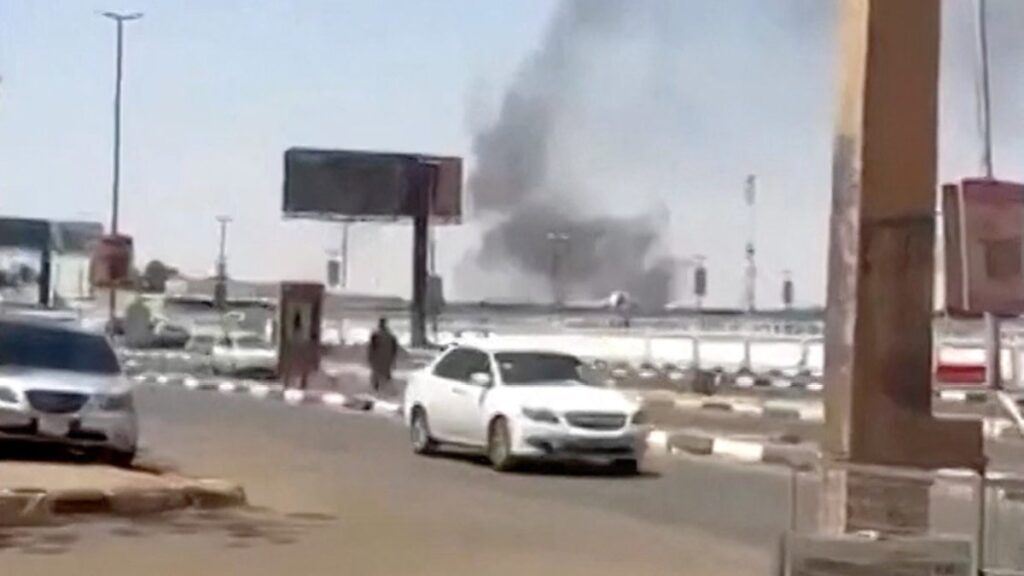
Sudan has experienced a devastating rise in drone warfare during the first five months of 2026, with reports from the United Nations indicating that more than 1,000 civilians have been killed. This alarming increase in drone strikes marks a new and troubling chapter in the country’s ongoing conflict.
According to the UN, the use of drones in combat operations has expanded significantly, leading to heightened concerns about the impact on civilian populations. Drones, due to their capability for remote and precise strikes, have become a favored tool by various armed factions within Sudan, exacerbating the already volatile security situation.
The escalation in drone strikes is part of broader hostilities affecting the region, where multiple groups contest for power and control. This has led to a surge in civilian casualties and displacement, as many innocent people find themselves caught in the crossfire of advancing military technologies.
Human rights organizations have condemned the increased use of drones, emphasizing the difficulty in distinguishing between combatants and non-combatants in drone attacks. The UN’s report highlights the urgent need for international intervention to address the escalating violence and to protect civilian lives.
Experts warn that the proliferation of drone technology in conflict zones like Sudan not only raises ethical and legal concerns but also signals a shift in the nature of warfare. The relative ease of deployment and the potential for reduced risk to personnel make drones an attractive option for warring factions, but this comes at a high price for civilian safety.
Efforts to document and verify casualties have been complicated by restricted access to conflict zones, but the mounting evidence presented by the UN points to a significant humanitarian crisis. The international community faces mounting pressure to impose stricter regulations on drone usage and to support peace initiatives in Sudan.
In summary, the surge in drone warfare in Sudan throughout 2026 has resulted in over 1,000 civilian deaths, drawing global attention to the escalating conflict and the urgent need for a resolution. The situation underscores the broader implications of modern warfare technologies in fragile states and highlights the devastating human toll they can exact.