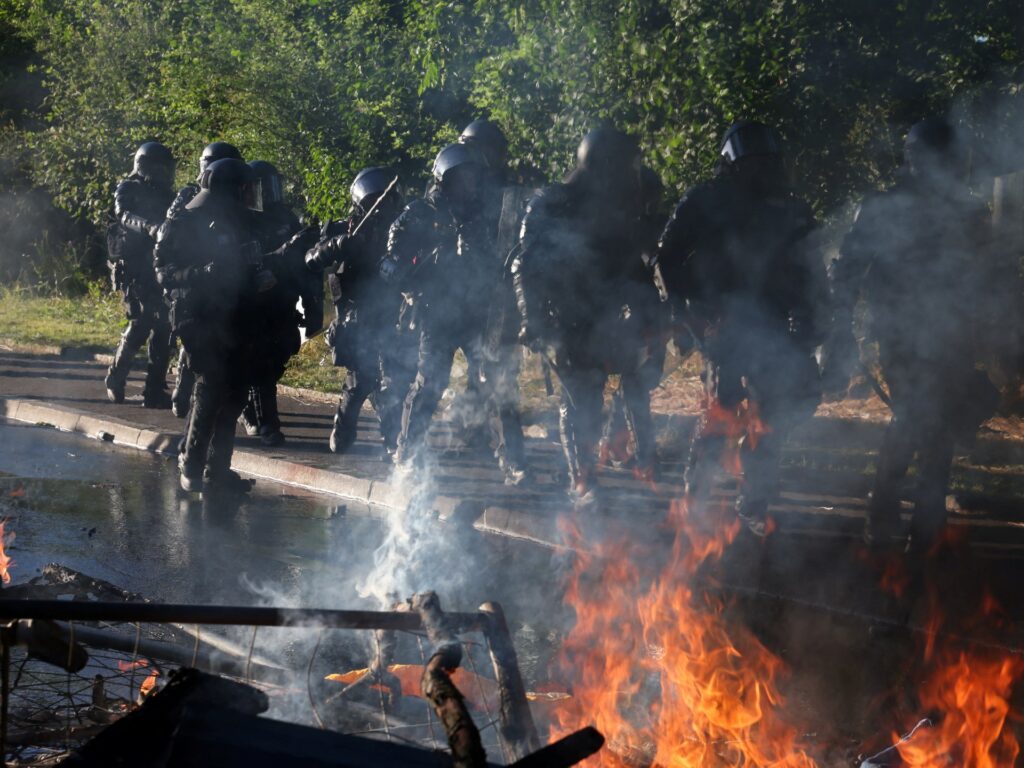
On the eve of the G7 summit, Geneva witnessed intense clashes as anti-G7 protesters took to the streets to voice their opposition against the gathering of world leaders. The demonstrations, which were largely peaceful at their outset, escalated into violence with incidents of vandalism, clashes with police, and the use of tear gas.
The protests were organized by various groups opposing the policies of the G7 nations, particularly focusing on issues such as climate change, global inequality, and militarization. Thousands gathered in several parts of the city, holding placards and chanting slogans demanding justice and reform.
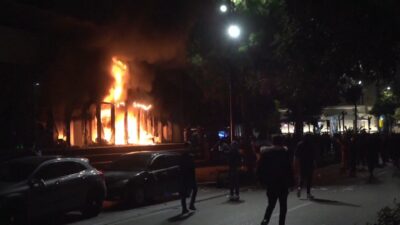
As the evening progressed, a faction of protesters broke away and began to confront law enforcement officers. Police responded with crowd control measures including tear gas and baton charges to disperse the aggressive elements. Several windows of nearby shops and buildings were smashed, and vehicles were set on fire, marking a significant shift from the peaceful demonstrations earlier in the day.
Authorities have reported multiple injuries among both protesters and police officers, and numerous arrests were made during the unrest. Emergency services were stretched thin, attending to the wounded and maintaining public order.
The mayor of Geneva condemned the violence and stressed the importance of demonstrating peacefully, especially during such a critical moment on the global stage. The G7 summit aims to address pressing global issues, and the city is under heightened security to ensure the safety of delegates.
Human rights and activist groups have expressed concern over police tactics, calling for restraint and respect for peaceful protest rights. Meanwhile, local businesses affected by the violence have called for swift reparations and stronger security.
As the G7 summit commences, Geneva remains on high alert, with security forces maintaining a strong presence throughout the city. The international community watches closely as the world’s most powerful leaders meet amidst these tensions, underscoring the complex intersection of diplomacy, global challenges, and public dissent.