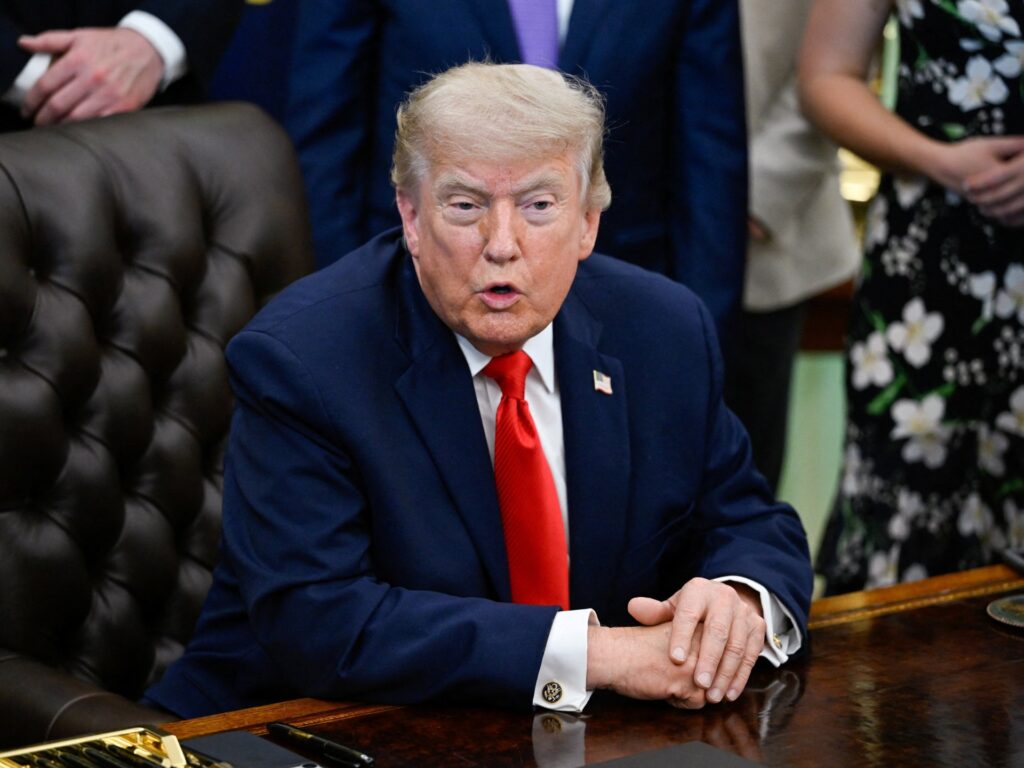
In a groundbreaking development, the United States and Iran have reportedly reached a ceasefire agreement aimed at ending hostilities in the volatile region. Announced by former President Donald Trump, the deal marks a significant step towards restoring peace and stability in an area that has been a flashpoint for conflict.
The Strait of Hormuz, a strategically crucial waterway through which a substantial portion of the world’s oil supply transits, has been closed to shipping amid escalating tensions. Trump’s statement confirms that under the new agreement, the strait will reopen, allowing the resumption of international maritime traffic. This development is expected to have a profound impact on global energy markets and regional security.
The ceasefire agreement underscores a mutual commitment by both nations to de-escalate military confrontations and pursue diplomatic channels for conflict resolution. While the details of the deal remain closely guarded, the announcement signals a potential shift in US-Iran relations, which have been fraught with conflict and sanctions for years.
Experts suggest that the reopening of the Strait of Hormuz could alleviate fears of an oil supply disruption that has previously led to price volatility worldwide. It also paves the way for improved economic prospects in the region, potentially aiding global recovery efforts amid ongoing geopolitical uncertainties.
International response has been cautiously optimistic, with world leaders welcoming the ceasefire and expressing hope for continued dialogue. As the deal is implemented, attention will focus on the practical measures taken to ensure enforcement and build trust between the two nations.
Historical context highlights that the Strait of Hormuz has long been a critical juncture for global commerce and security. Its closure has heightened fears of broader conflicts and economic instability. Therefore, the reopening symbolizes not just a tactical victory but a beacon of hope for peaceful coexistence.
Going forward, the international community will monitor developments closely to assess the durability of the peace deal. Observers emphasize the importance of sustained diplomatic engagement, transparency in compliance, and efforts to address underlying issues fueling the conflict.
This announcement, while preliminary, offers a rare opportunity for a fresh chapter in US-Iran relations. The reopening of the Strait of Hormuz promises to restore a vital artery of global trade and potentially usher in a new era of regional stability and cooperation.