A memorandum of understanding (MoU) between the United States and Iran is set to be signed on Friday, according to recent statements from both nations. However, the official terms of this agreement have yet to be disclosed, prompting a mix of reactions across the political spectrum.
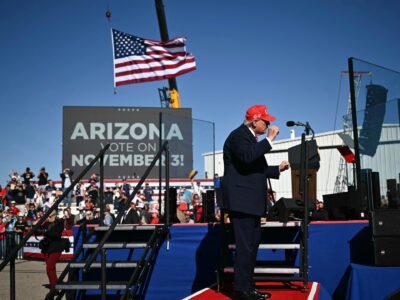
Supporters aligned with former President Donald Trump have welcomed the announcement, viewing it as a significant step toward easing longstanding tensions between the US and Iran. Many Trump allies regard the potential deal as a diplomatic success that could enhance stability in the Middle East and open new channels for dialogue and cooperation.
Conversely, Democratic lawmakers and officials have responded cautiously, calling for greater transparency and detailed information about the memorandum. They emphasize the importance of understanding the agreement’s specifics to assess its implications on national security, regional influence, and the broader geopolitical landscape.
The announcement follows years of fraught relations shaped by sanctions, nuclear program disagreements, and mutual distrust. The emerging MoU appears to signal a willingness by both countries to engage more constructively, although skepticism remains until the exact details are made public.
While the US and Iran have not yet disclosed the MoU’s contents, analysts speculate it could encompass measures related to nuclear activity, economic sanctions relief, and mechanisms to prevent escalation in conflict-prone areas.
International observers have also expressed interest in how the agreement might impact global diplomacy, particularly concerning the roles of other regional players and international powers invested in Middle Eastern stability.
The US administration has highlighted the potential for this deal to pave the way for a broader peace framework while reiterating a commitment to national security and non-proliferation goals.
Iranian officials have framed the MoU as a positive development that could restore some normalcy to strained relations and facilitate greater economic integration and political dialogue.
As both nations prepare to formalize the understanding on Friday, political leaders across the US continue to debate the potential benefits and risks of the agreement. Transparency and comprehensive assessment remain key demands from many Democratic policymakers.
The coming days will likely bring further revelations about the terms and scope of the MoU, shaping future US-Iran relations and influencing the wider Middle Eastern geopolitical environment.
Stakeholders in the region and beyond await detailed disclosures that will clarify the practical impact of this new chapter in US-Iran diplomacy.
This development marks one of the most significant diplomatic engagements between the two countries in recent years, reflecting evolving strategies and shifting international dynamics.
Both Washington and Tehran face domestic pressures and international expectations as they navigate this complex diplomatic terrain.
Observers will be closely monitoring how this memorandum translates into actionable policies and whether it can sustain momentum toward lasting peace and cooperation.
The announcement has reinvigorated discussions around the potential for diplomacy to resolve entrenched conflicts and reshape regional alliances.
With the official signing imminent, the global community awaits a clearer picture of what the US-Iran agreement entails and its implications for future diplomatic and security considerations.