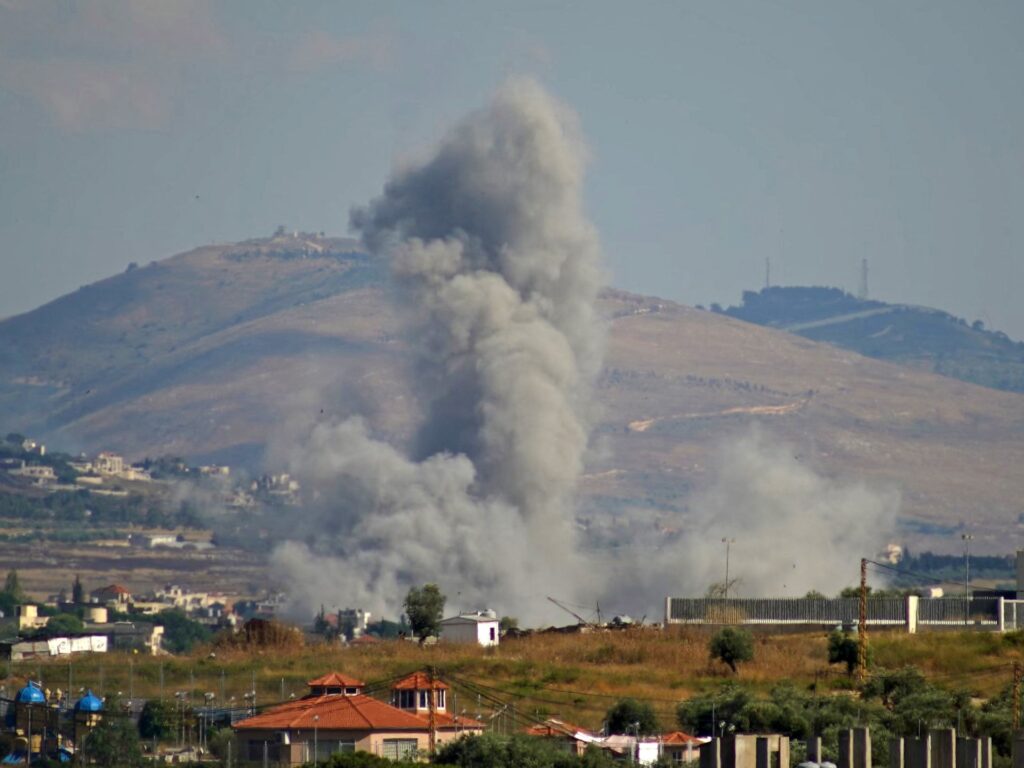
In recent developments, Israel has publicly accused Hezbollah of violating the ceasefire agreement that has been holding since previous clashes. According to Israeli military sources, Hezbollah’s actions have undermined the fragile peace in the region, prompting Israel to issue displacement orders to secure its civilian populations in vulnerable areas. This move signifies Israel’s heightened state of alert and the possibility of escalated military responses should further violations occur.
The accusations come amid a broader geopolitical struggle involving key regional players. Iran, a staunch backer of Hezbollah, has insisted that Lebanon should be an active participant in any peace negotiations with the United States. Tehran’s stance reflects its strategic interest in maintaining influence over Lebanese affairs and ensuring that any agreements do not marginalize its allies.
Israel’s warning of potential attacks is perceived as a deterrent message aimed at Hezbollah and its supporters. The displacement orders underscore the seriousness with which Israel views the threat from Hezbollah, especially as tensions in the region remain volatile.
The situation is further complicated by the involvement of the United States, which continues to seek avenues for peace and stability in the Middle East. The insistence by Iran on including Lebanon in peace talks presents a diplomatic challenge for Washington, highlighting the complex alliances and interests at play.
Hezbollah has yet to respond formally to Israel’s allegations, but the group historically has denied such accusations or framed them within a context of defensive actions against Israeli provocations.
International observers have expressed concern over the potential for renewed conflict, emphasizing the need for restraint and dialogue among all parties involved. The fragile ceasefire agreement remains a critical element in preventing further bloodshed.
As Israel prepares for possible escalations, the displacement orders reflect a significant shift in civilian defense measures, signaling the gravity of the threat perception.
This latest development underscores the ongoing instability and the intricate web of alliances that characterize Middle Eastern politics. The interplay between Israel, Hezbollah, Iran, Lebanon, and the United States remains a key factor in shaping the future security landscape of the region.
Analysts suggest that any progress toward peace will require addressing the complex concerns of all stakeholders, including the role of Hezbollah and the geopolitical ambitions of Iran. Until then, the region remains on edge, with the threat of conflict looming.
Residents in affected areas have expressed anxiety over the displacement orders, fearing prolonged disruption and the uncertainty of future violence. Humanitarian agencies have called for increased support and protection for those at risk.
The international community continues to monitor the situation closely, urging all parties to honor ceasefire agreements and pursue diplomatic solutions to prevent a return to open hostilities. The coming weeks are likely to be critical in determining whether tensions will de-escalate or spiral into renewed conflict.