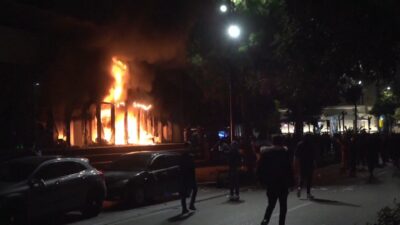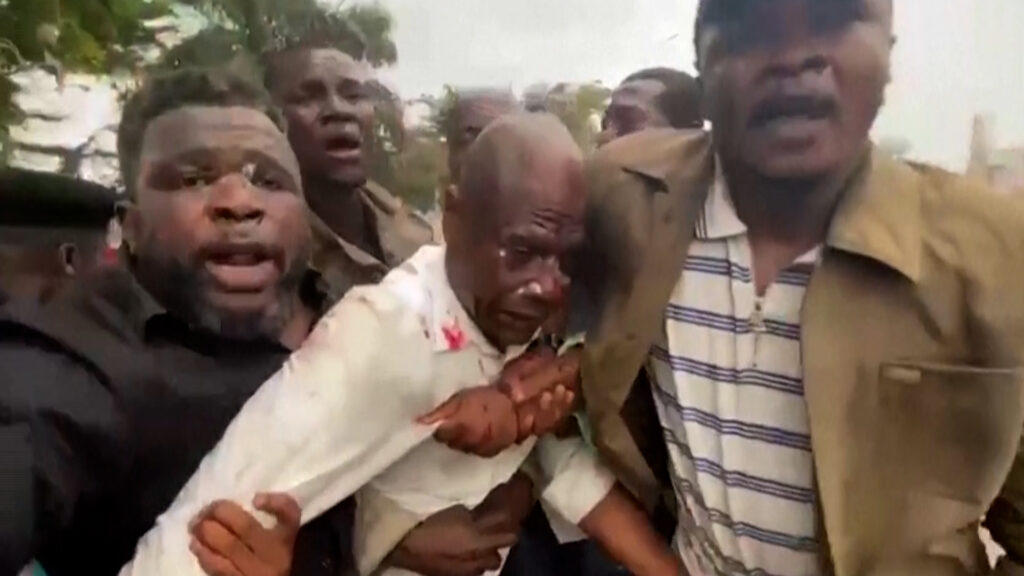
A wave of violence unfolded in Kinshasa, the capital of the Democratic Republic of Congo (DR Congo), as hundreds of demonstrators took to the streets to protest against proposed constitutional changes. The protest, which began as a peaceful demonstration, quickly escalated into clashes between protesters and security forces.
The demonstrators gathered to oppose amendments to the constitution that they fear could extend the tenure of President Félix Tshisekedi and his government. The proposed changes have been met with concern from various sections of society, who view them as a potential threat to democracy and political stability in the country.
Security forces were deployed in large numbers across Kinshasa to control the protests, which saw protesters chanting slogans and carrying banners calling for the defense of the constitution. However, the situation deteriorated when clashes broke out, resulting in injuries and arrests. Eyewitnesses reported the use of tear gas and rubber bullets by the police to disperse the crowd.
Local human rights organizations have condemned the violence and urged restraint from all parties involved. They called for dialogue and peaceful resolution of the tensions surrounding the constitutional amendments.
The government has yet to release an official statement regarding the incidents, but the unrest underscores the deep divisions within the country over its political future. The international community is closely monitoring the situation, emphasizing the importance of upholding democratic principles and human rights.
This event marks a significant moment in the ongoing political challenges faced by DR Congo. The reaction to the protests highlights the citizens’ concern about governance and the rule of law. As the government deliberates the constitutional changes, the country’s stability remains precarious.
Moving forward, the authorities face the difficult task of balancing security concerns with the rights of citizens to express their views freely. The situation in Kinshasa will likely continue to evolve, with both national and international actors playing critical roles in shaping the outcome of this political crisis.