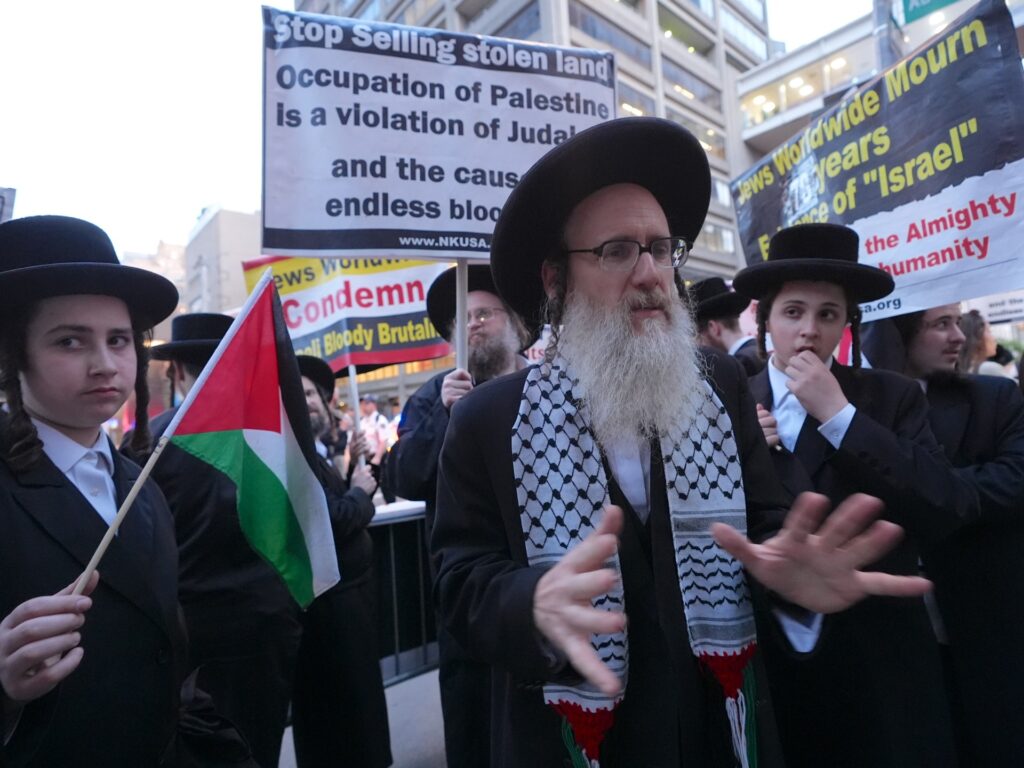
The Jewish diaspora around the world is increasingly vocal in its opposition to the current political direction of Israel, particularly in light of recent events such as Bezalel Smotrich’s appearance at the Israel Day parade. Many Jews living outside Israel reject the notion that Israel’s government can claim authority over their identity or speak for them, declaring “Not in my name” as a powerful statement of dissent.
The Israel Day parade, a major event celebrating the establishment and achievements of the State of Israel, has become a focal point for debate within Jewish communities globally. The participation of figures like Smotrich, known for his far-right positions and controversial policies, has sparked concern and backlash among Jews in the diaspora. Many feel that the policies promoted by such leaders not only misrepresent the values of all Jews but also threaten the relationship between Israel and worldwide Jewish communities.
This growing rift illustrates a broader phenomenon: the Jewish diaspora’s struggle to separate their cultural and religious identity from the political actions of the Israeli government. For decades, there has been an assumption that Jews worldwide support Israeli government policies by virtue of their shared heritage. However, this consensus is fracturing amid intensifying political developments in Israel.
Opponents of Smotrich and his allies argue that their nationalist and often exclusionary policies jeopardize the democratic character of Israel and alienate many Jews who advocate for pluralism and liberal values. These dissenters within the diaspora refuse to be silent, emphasizing that Israel’s policies do not reflect the diverse voices and experiences of Jews everywhere.
The movement “Not in my name” has gained traction as a platform for Jews challenging the political consensus that Israel speaks for all Jews. Participants range from progressive activists, religious groups, academics, to young Jewish professionals who seek to redefine their relationship with Israel on their own terms.
This shift has sparked intense discussions about identity, loyalty, and political solidarity within Jewish communities. Many are wrestling with questions about how to support Israel while opposing certain policies, and how to advocate for peace and justice without endorsing political agendas they find troubling.
The controversy surrounding Smotrich and the Israel Day parade also highlights the complexity of Jewish identity in the 21st century, where geographic and ideological diversity creates varied perspectives on Israel’s role and policies.
Despite the tensions, many in the diaspora remain deeply connected to Israel, eager to contribute positively to its future while pushing back against what they see as harmful political trends. They call for a more inclusive and democratic Israel that reflects the pluralism of its Jewish and non-Jewish citizens alike.
As these debates continue, the Jewish diaspora’s assertion of autonomy over their own name and identity underscores a significant reevaluation of what it means to be Jewish today, and the extent to which politics in Israel influence that understanding.
In summary, the emergence of the “Not in my name” movement within the Jewish diaspora marks a pivotal moment of dissent, reflecting broader challenges within the global Jewish community. It articulates a critical stance against dominant Israeli political narratives, advocating for a nuanced and autonomous Jewish identity separate from state politics. This ongoing dialogue promises to shape the future of Jewish identity and the relationship between Israel and its worldwide supporters.