The United States is gearing up to celebrate its semiquincentennial — the 250th anniversary of its founding. This milestone marks a significant moment in American history, commemorating a quarter of a millennium since the nation declared independence in 1776. However, unlike previous major anniversaries, the 250th celebration, often referred to as America250, has come with its share of complexities and controversies.
The semiquincentennial has been organized under the banner “America250,” a campaign aimed at uniting the country through a series of events and initiatives that highlight the nation’s history, culture, and ideals. The campaign intends to inspire patriotism and community spirit, encouraging citizens to reflect on the past and look forward to the future.
Yet, the celebrations have not been without political friction. A notable point of contention has been the emerging association between America250 and former President Donald Trump. Critics argue that Trump’s influence has overshadowed the nonpartisan nature expected of the commemorative events. The concern is that the celebration, meant to be a unifying moment, risks becoming a platform for partisan agendas.
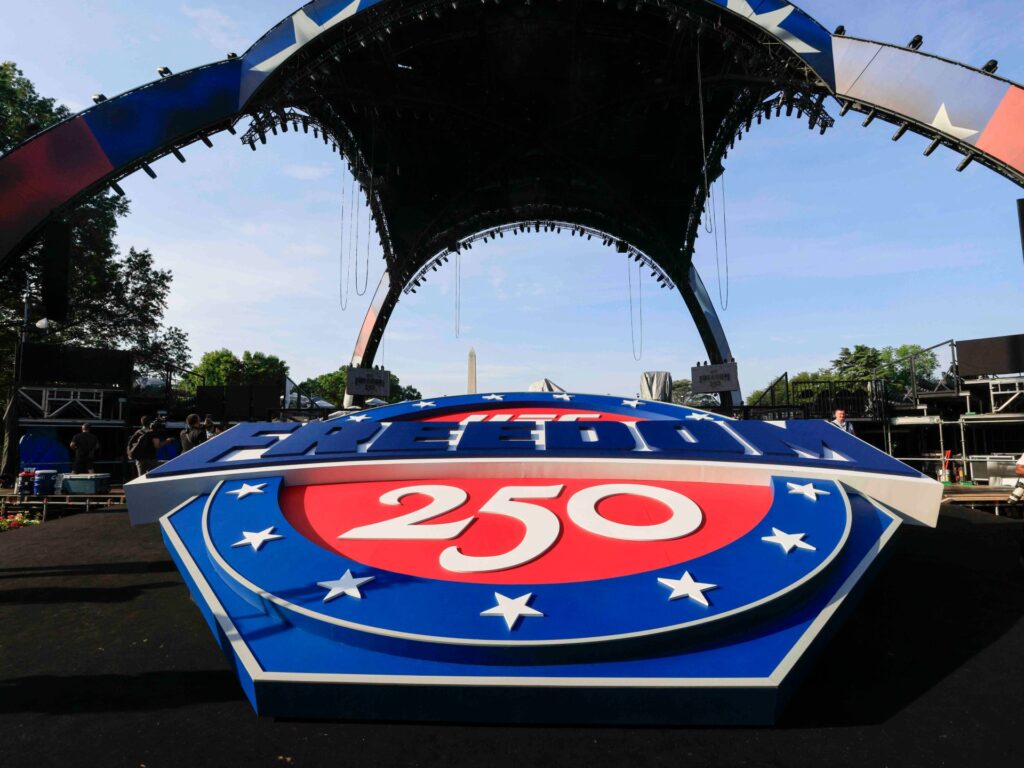
One alternative movement called Freedom250 has also surfaced. Freedom250 positions itself as a distinct effort focused on themes of liberty and individual freedoms, closely aligned with conservative ideals. Supporters of Freedom250 are wary of the perceived politicization of America250 and seek to reclaim the narrative around the nation’s founding principles.
This division highlights deeper national debates about identity, history, and values. The contrasting campaigns reveal how interpretations of America’s founding era vary widely among different groups. America250 celebrates a broad, inclusive vision of American history, while Freedom250 emphasizes traditionalist views on freedom and governance.
In addition to political disagreements, the semiquincentennial raises questions about how to best honor the nation’s complicated past. Indigenous communities, historians, and activists have called for acknowledgment of the injustices and ongoing challenges faced by Native Americans, African Americans, and other marginalized groups since the nation’s founding.
The diversity of perspectives underscores the evolving nature of American history and the need for a balanced, honest reflection in the semiquincentennial celebrations. How the United States chooses to commemorate 250 years of independence will influence national discourse and identity for years to come.
As the country prepares for monumental events including parades, exhibitions, educational programs, and cultural festivals scheduled across states, organizers emphasize inclusivity and a comprehensive representation of American stories. The goal is to create an experience that resonates with citizens from all walks of life and encourages a shared sense of belonging.
In summary, the semiquincentennial is more than just a celebration; it is a reflection of contemporary America’s challenges and aspirations. The interplay between America250 and Freedom250 embodies the nation’s ongoing struggle to define its legacy amid political polarization. Ultimately, the 250th anniversary serves as a timely reminder of the importance of unity, understanding, and dialogue as the United States looks toward its future.