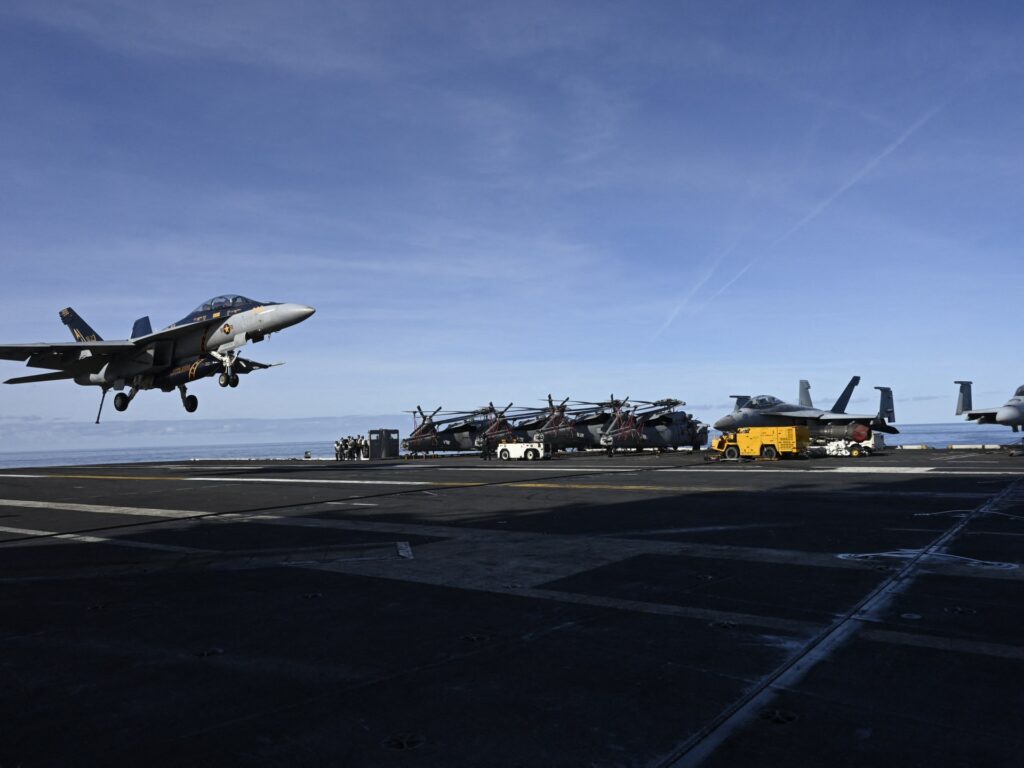
The United States is reportedly planning to cut down its air and naval assets deployed for NATO operations in Europe. This move marks a significant shift in U.S. military strategy and has implications for the alliance’s presence and readiness in the region.
NATO, the North Atlantic Treaty Organization, relies on member countries, including the US, to provide military resources and strategic support to ensure collective defense. America has long been a leading contributor to NATO’s operational capacity, particularly in Europe, where tensions with Russia and other security challenges persist.
According to sources familiar with the matter, the planned reductions will affect the number of aircraft and naval vessels assigned to NATO missions across the continent. The cuts are expected to impact deployment schedules, force availability, and the overall operational posture of NATO in Europe.
Several factors may be driving this decision. Budget reallocations, shifting geopolitical priorities, and evolving defense strategies could all play a role. The US military has been increasingly focusing on other regions and emerging threats, which might have contributed to the decision to reduce the European footprint.
This development raises questions about how NATO will adapt to maintain its deterrence and defense capabilities. Other member nations may need to increase their contributions or explore alternative strategies to compensate for the reduced US presence.
Critics argue that such a reduction could embolden adversaries and undermine the stability of the region. Supporters, however, suggest that it might encourage European allies to take on greater responsibility for their own security.
The US government has yet to officially confirm the details of the planned cuts. Military officials have stated that ongoing assessments will determine how best to balance commitments across the globe while ensuring the security of NATO allies.
European leaders have expressed concern but also optimism that cooperative defense measures and enhanced multinational coordination will address potential gaps.
The broader impact of this change will unfold over the coming months as more information becomes available and adjustments are made within NATO’s strategic framework.
In summary, the United States is set to reduce its air and naval forces deployed for NATO operations in Europe, a move that reflects changing military priorities and poses challenges for collective defense arrangements in the region. Continued dialogue among NATO members will be crucial to navigate this transition and sustain the alliance’s strength and cohesion.