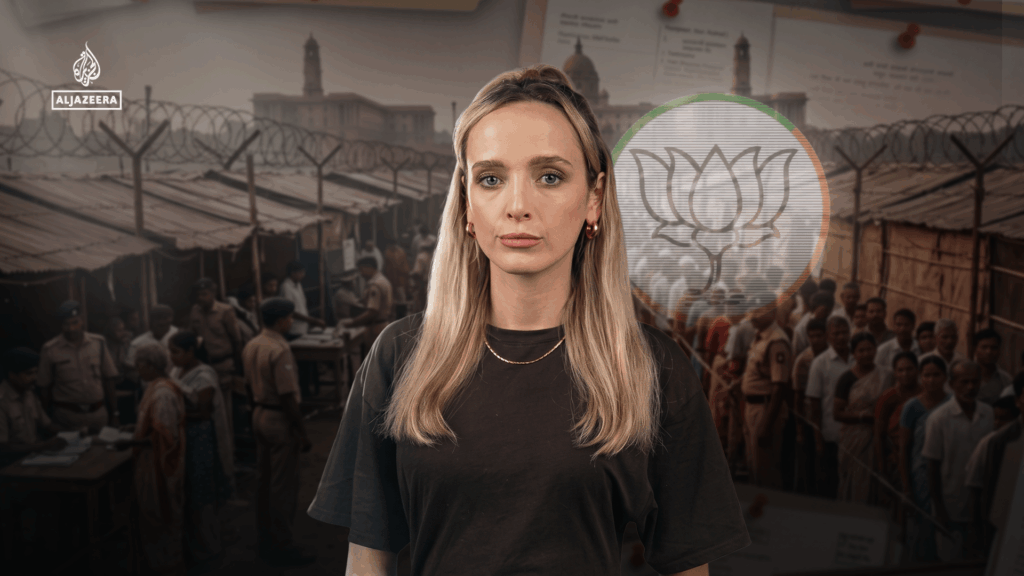
In recent developments in West Bengal, India, the newly elected BJP (Bharatiya Janata Party) government has reportedly detained and deported thousands of Muslim Bangladeshis. This action marks a significant shift in the region’s approach to immigration and minority populations.
West Bengal, historically known for its cultural diversity and coexistence, has witnessed a growing political influence of the BJP, which has instituted stricter immigration policies since coming into power. These policies have led to increased vigilance and enforcement measures targeting illegal immigrants, particularly from Bangladesh.
The crackdown on Muslim Bangladeshis involves detaining individuals suspected of lacking proper legal documentation and initiating deportation procedures. This move has sparked debates and concerns among human rights organizations, opposition parties, and local communities, who fear that these actions may lead to discrimination and human rights violations.
Supporters of the BJP government argue that the measures are necessary to maintain law and order, secure borders, and prevent illegal immigration. They emphasize the importance of legal processes and national security.
Critics, however, contend that the policy disproportionately targets Muslim minorities, exacerbates communal tensions, and undermines the social fabric of West Bengal. They warn that such policies could lead to social unrest and international criticism.
The situation also raises questions about the status and treatment of refugees, undocumented migrants, and minority groups within India. West Bengal’s proximity to Bangladesh and its porous border have historically made it a hub for migration, much of it undocumented.
The government of West Bengal under the BJP has defended its actions as compliance with national directives and as part of a larger strategy to assert sovereignty and control over immigration matters.
International human rights bodies have called for the government to ensure that all individuals are treated humanely, their rights are protected, and due process is followed.
As this story unfolds, the impact on families, communities, and bilateral relations between India and Bangladesh remains to be seen. The ongoing tension highlights the complex interplay between politics, identity, and migration in South Asia.
The issue has also drawn the attention of the wider Indian public and media, with debates centered on the balance between national security and human rights, as well as the role of political ideology in shaping immigration policies.
In conclusion, West Bengal’s recent actions against Muslim Bangladeshis underscore the challenges faced by regions dealing with migration and the delicate balance governments must strike between enforcing laws and respecting human dignity. The coming weeks and months will be crucial in determining how this policy evolves and its long-term implications for the region.