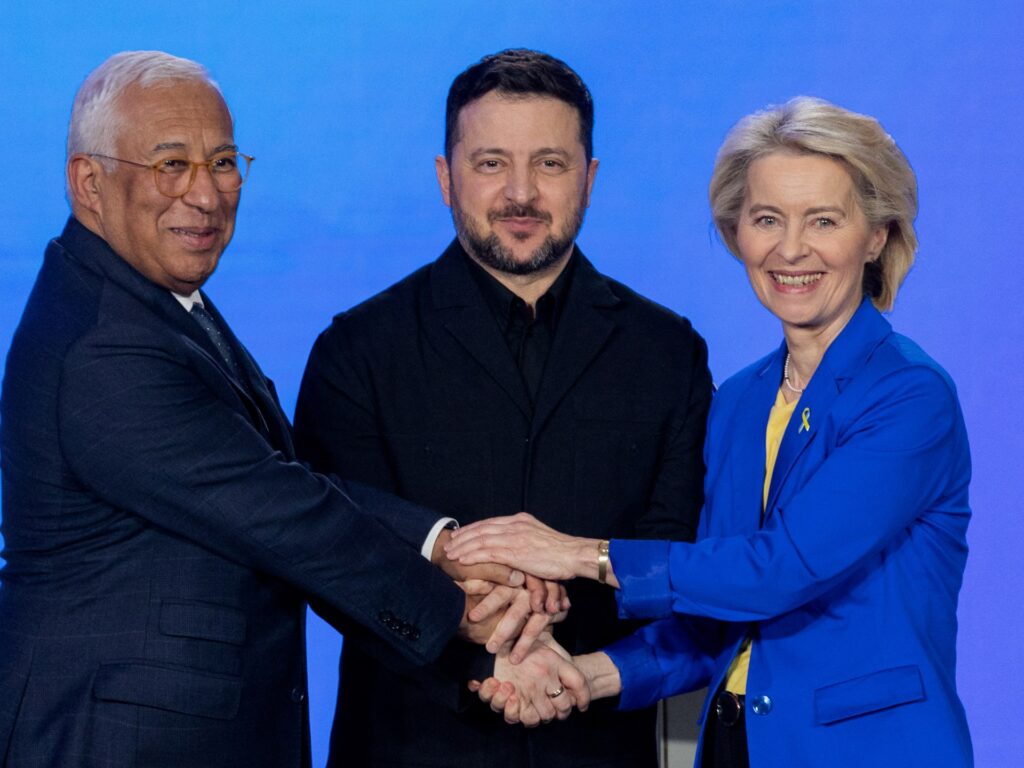
In a significant development for European integration, the European Union has officially agreed to launch the accession process for Ukraine and Moldova. This decision marks a major step forward in the long and complex journey toward EU membership for both countries.
For several years, Ukraine and Moldova have expressed strong aspirations to join the European Union, seeking closer political and economic ties with the bloc. However, progress had been stalled by various political hurdles, most notably a veto from Hungary’s previous government which delayed formal advancement in the accession process.
The impasse was resolved after Hungary’s new government decided to lift the veto, signaling a shift in Budapest’s stance and clearing the way for the EU to proceed. This political turnaround has been widely welcomed by EU leaders and officials as a positive sign of unity and mutual commitment to European values and enlargement policies.
The accession process is a structured framework through which candidate countries work to meet the EU’s stringent requirements, including reforms in governance, judiciary, human rights, and economic stability. For Ukraine and Moldova, launching this process means a comprehensive evaluation and adjustment period aimed at aligning their institutions and policies with EU standards.
Ukraine’s bid for EU membership has gained particular attention in the context of its ongoing conflict and geopolitical challenges. The EU’s decision to proceed with the accession talks is seen not only as a political endorsement of Ukraine’s European future but also as a strategic move to support its sovereignty and democratic development.
Moldova, for its part, is a smaller but strategically important country in Eastern Europe, with a population eager to deepen integration with the EU. The accession process will provide a framework for economic development and strengthened governance.
This move by the EU underscores its continuing commitment to enlargement despite current challenges faced by the bloc such as internal divisions and external pressures. EU officials have emphasized that accession negotiations will be tough but transparent, aimed at fostering stability, democracy, and prosperity in the region.
The decision was met with cautious optimism by the international community and civic groups within Ukraine and Moldova, many of whom have campaigned vigorously for closer ties with Europe. However, experts note that the road ahead remains difficult, requiring sustained political will and reforms from both governments.
In summary, the EU’s agreement to start accession talks with Ukraine and Moldova following Hungary’s veto lift is a landmark moment that promises new opportunities for these nations. It reflects a broader vision of a united and resilient Europe, committed to supporting its neighbors in their aspirations for democratic progress and integration into European structures.