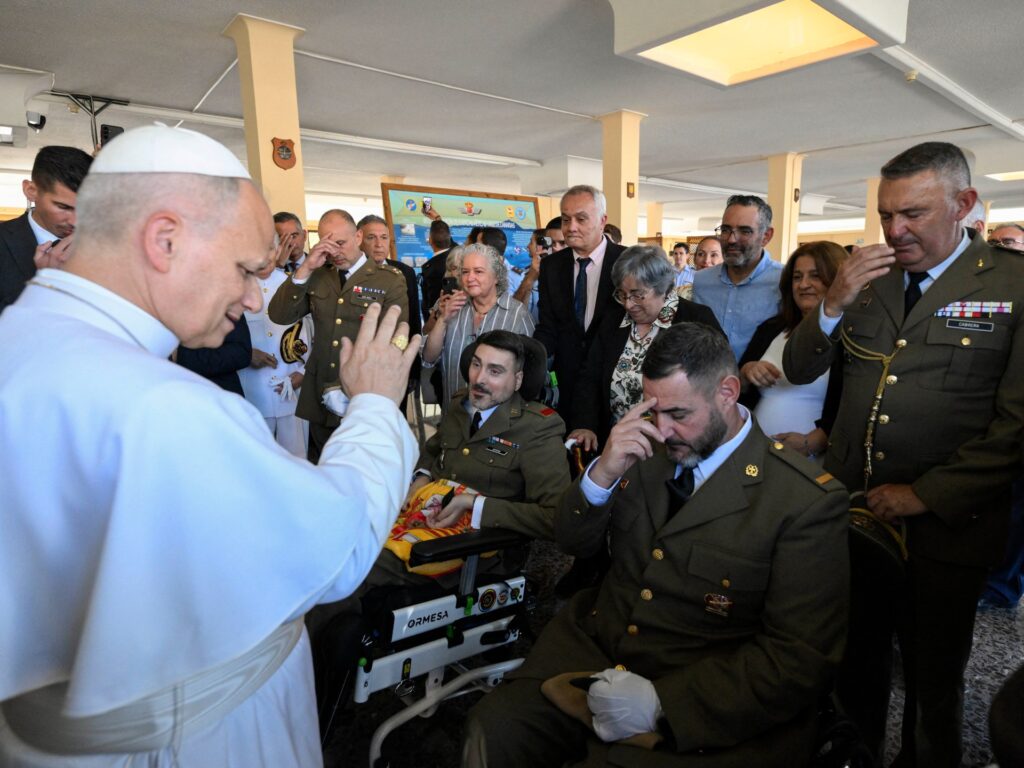
In a heartfelt appeal, Pope Leo addressed the plight of migrants who have recently reached the Canary Islands after enduring perilous journeys across the Atlantic Ocean. Scheduled to meet about 1,000 migrants on Friday, the Pope emphasized the inherent dignity of every person regardless of their nationality or legal status.
The Canary Islands have become a critical point of arrival for thousands of migrants fleeing conflict, poverty, and instability from various regions, particularly West Africa. These individuals often face treacherous sea voyages that endanger their lives as they seek safety and better opportunities in Europe.
Highlighting the Pope’s message, the phrase “Dignity has no passport” underscores the universal human rights that transcend borders and immigration laws. This call resonates deeply with ongoing debates across Europe about migrant acceptance, asylum policies, and humanitarian commitments.
Pope Leo’s visit aims to bring global attention to the humanitarian crisis unfolding in the Canary Islands. The migrants he will meet include families, young adults, and vulnerable individuals who have endured significant hardships, from exploitation to the constant threat of drowning during their Atlantic crossing.
The Pope’s engagement is a reminder to governments and international organizations about the importance of compassion and solidarity. His words are a call for respect, protection, and support for migrants who contribute to the social and economic fabric of the communities they join.
In recent years, the Canary Islands have seen a rise in migrant arrivals, leading to challenges in managing resources, integration, and providing adequate care. The Pope’s visit could serve as a catalyst for renewed efforts to improve conditions and foster a more inclusive approach across European nations.
The humanitarian appeal also extends to the broader public, encouraging empathy and understanding towards migrants’ stories and the reasons behind their dangerous journeys.
As Pope Leo meets with the migrants, his message is clear: human dignity must be upheld above all administrative and political considerations. This stance aligns with the Catholic Church’s long-standing advocacy for the rights and welfare of displaced people worldwide.
The meeting on Friday is expected to be both a solemn occasion and a hopeful gesture, symbolizing unity and the shared responsibility of humanity in addressing the global migrant crisis.
Ultimately, the Pope’s message in the Canary Islands serves as a powerful reminder that behind every migrant is a human being deserving of respect, protection, and dignity, regardless of where they come from or where they wish to go. This timely appeal calls for compassion in a world often divided by borders and policies.