India is witnessing a significant shift in the pattern of dengue fever outbreaks, a disease traditionally associated with the monsoon season. Experts are raising concerns that the deadly dengue crisis is no longer confined to the rainy months but has become a year-round health threat. This alarming transformation is attributed to several environmental and societal factors including rising temperatures, erratic rainfall patterns, and rapid urbanization.
Dengue, a mosquito-borne viral infection, has been a major public health challenge in India, particularly during and immediately after the monsoon when stagnant water creates ideal breeding grounds for the Aedes mosquitoes. However, recent trends indicate a disturbing change. Rising temperatures due to climate change appear to be extending mosquito breeding periods, thereby prolonging the transmission season. Warmer temperatures accelerate the mosquito life cycle and increase the rate at which the virus incubates inside the mosquito, intensifying the spread of dengue.
Erratic rainfall adds another layer of complexity to dengue control. Instead of predictable monsoon rains, India is experiencing irregular and intense rainfall events interspersed with dry periods. This irregularity leads to unexpected pooling of water in urban environments like construction sites, clogged drains, and water tanks, creating new breeding hotspots outside the traditional monsoon timeline.
Urbanisation is also playing a pivotal role in this evolving dengue crisis. Rapid population growth in cities results in overcrowded living conditions, inadequate sanitation, and poor waste management. These factors collectively create ample mosquito breeding habitats. As cities expand into peri-urban and rural areas, the interface between human populations and mosquito habitats increases, further fueling transmission.
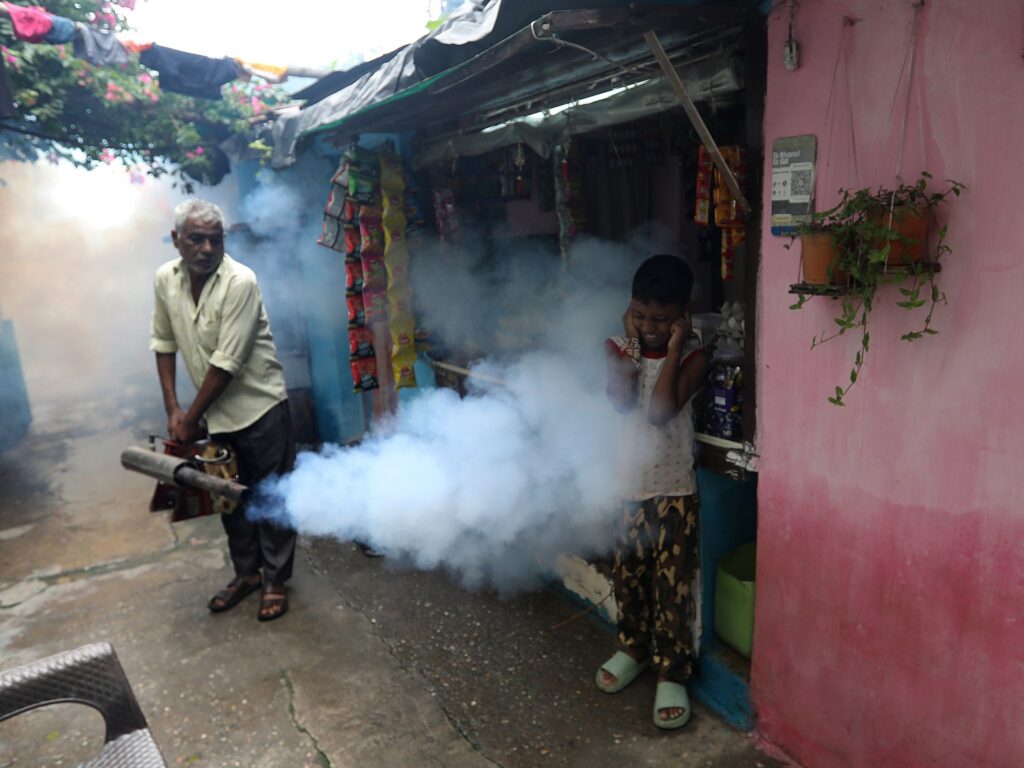
Public health experts warn that the extension of the dengue season underscores the need for adaptive strategies. Traditional preventive measures focused solely on the monsoon months are no longer sufficient. Year-round vector control programs, enhanced surveillance, public awareness campaigns, and community engagement are critical to effectively tackle this expanded threat.
Moreover, healthcare infrastructure must be strengthened to manage the load of dengue cases throughout the year. This includes training medical staff, ensuring availability of diagnostic tools, and establishing rapid response mechanisms to contain outbreaks swiftly.
Climate scientists emphasize that the dengue crisis is a stark illustration of the broader impacts of climate change on infectious diseases. These environmental changes not only foster prolonged disease transmission seasons but also complicate outbreak prediction and control.
In conclusion, India’s dengue crisis is evolving from a seasonal nuisance into a persistent public health emergency, driven by climate change, erratic weather, and urban expansion. Addressing this challenge requires a multifaceted and sustained response from government agencies, health professionals, urban planners, and the public at large to reduce the incidence and severity of dengue fever in the country.