The global displacement crisis has reached a staggering milestone with 117.8 million people worldwide forced to flee their homes, driven by conflict, violence, persecution, and climate disasters. Among the many nations grappling with this challenge, Lebanon stands out as a country facing a deteriorating shelter crisis that demands urgent attention.
Lebanon has long been a refuge for displaced populations, including significant numbers of Syrian refugees escaping conflict since 2011. The influx has placed immense pressure on the country’s already strained infrastructure and housing resources. Recent economic instability, political turmoil, and inflation have further compounded the difficulties faced by vulnerable communities, worsening the humanitarian situation.
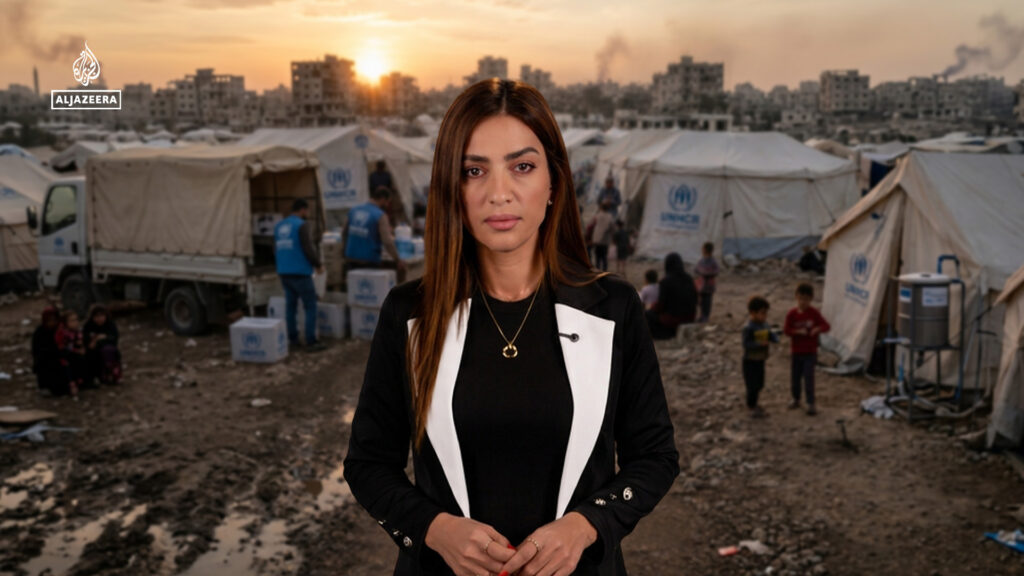
Shelter remains one of the most critical and challenging aspects of Lebanon’s displacement crisis. Many refugees and displaced persons live in informal settlements, overcrowded dwellings, and substandard housing without adequate protection from the elements or basic services. The scarcity of affordable housing options has made it difficult for displaced families to secure safe and dignified accommodations.
Humanitarian organizations are ramping up efforts to address these shelter needs but face significant hurdles, including limited funding, logistical challenges, and policy constraints. The Lebanese government’s capacity to provide assistance is also hampered by ongoing economic hardships and political instability.
Experts warn that if the current trends persist, Lebanon’s shelter crisis could deepen further, destabilizing communities and exacerbating social tensions. The worsening conditions underscore the urgent need for a coordinated international response that prioritizes sustainable housing solutions and support for displaced populations.
Beyond Lebanon, the global displacement figure of 117.8 million reflects a complex mix of protracted conflicts, new outbreaks of violence, and the increasing impact of climate change-induced disasters like floods and droughts. These factors are forcing more people to abandon their homes, seeking safety and stability elsewhere.
The global community is urged to enhance cooperation, increase funding for humanitarian relief, and implement policies that protect the rights and dignity of displaced individuals. Lebanon’s escalating shelter crisis serves as a critical reminder of the broader challenges faced by millions and the shared responsibility to provide adequate support and solutions.
In summary, the plight of 117.8 million displaced people worldwide highlights the urgent global need for action, while Lebanon’s worsening shelter crisis exemplifies the immediate and tangible impacts of this ongoing humanitarian emergency. Addressing these challenges requires a multifaceted approach involving national governments, international organizations, civil society, and affected communities working together to create sustainable pathways to safety and stability.