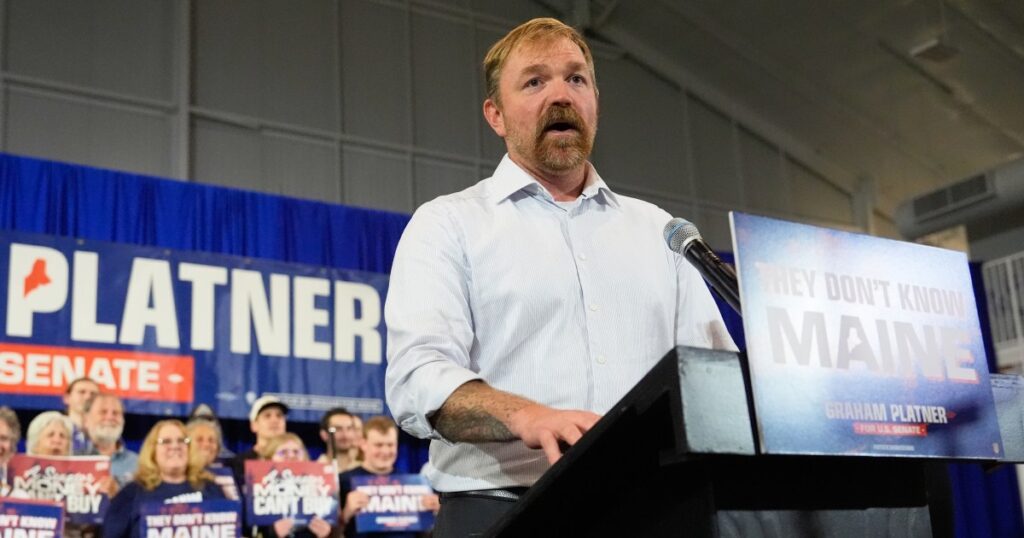
In a significant development in Maine politics, challenger Platner has emerged victorious in the Democratic Senate primary, positioning himself to take on longtime Republican incumbent Senator Susan Collins in the upcoming general election. This victory comes despite a series of controversies that attempted to cloud his campaign.
Platner’s win in the primary marks a critical moment for the Democratic Party in Maine, as Collins has been a formidable force in the Senate, holding her seat through multiple election cycles. The race is expected to draw national attention due to Collins’ moderate Republican stance in a highly polarized political environment.
Throughout the campaign, Platner focused on issues such as healthcare reform, economic inequality, and climate change, resonating with many Democratic voters who are eager for change. His promise to unseat Collins is rooted in the belief that Maine deserves a representative who aligns more closely with progressive values and will hold the establishment accountable.
Controversies arose during Platner’s campaign, including scrutiny over his past statements and campaign practices. However, his supporters argue these issues have been exaggerated by opponents attempting to undermine his candidacy. The primary results indicate that the Democratic base in Maine is rallying behind Platner, seeing him as a viable contender.
Senator Susan Collins, known for her centrist approach and willingness to occasionally break from her party, remains a powerful figure in Maine politics. Her campaign strategy will likely emphasize her experience, bipartisan efforts, and record of constituent service. Collins’ ability to appeal to independent and moderate voters will be crucial in the general election.
The general election is shaping up to be one of the most closely watched Senate races of the cycle. Analysts predict high voter turnout and significant campaign spending from both national parties. The outcome could influence the balance of power in the Senate, making Maine a pivotal battleground state.
This primary victory for Platner energizes Maine Democrats and sets the stage for a dynamic and possibly contentious race against Collins. Voters in Maine will soon face a clear choice between maintaining the status quo and embracing a new direction as the November election approaches.
The campaign trail will intensify as Platner and Collins present their visions for Maine’s future. Key debates and political advertisements are expected to dominate the media landscape in the coming months. Both candidates are preparing to engage with voters across the state, highlighting the stakes of this critical Senate contest.