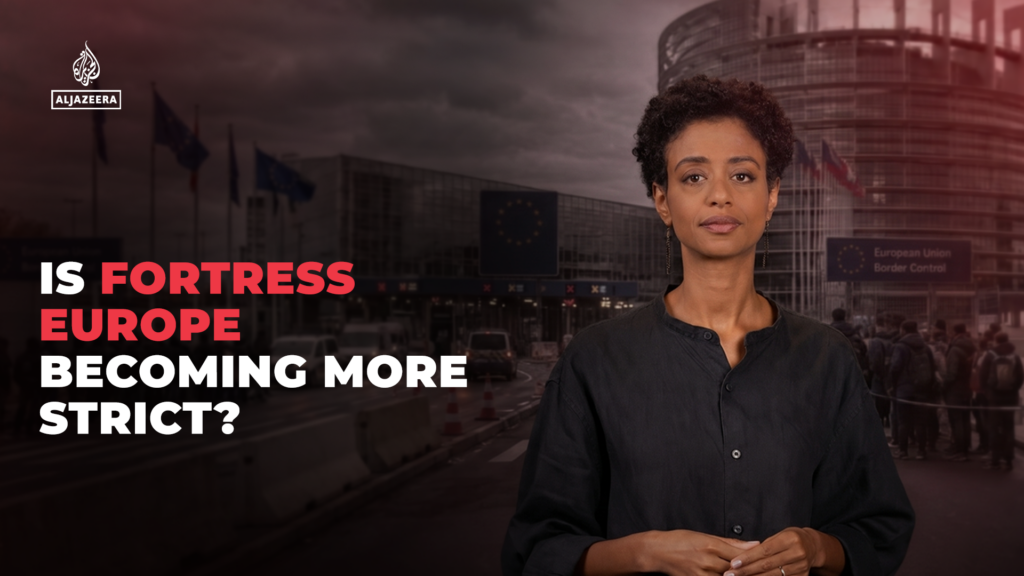
The European Union’s migration policy is undergoing its most significant transformation in decades with the introduction of the new Pact on Migration and Asylum. This pact represents a sweeping overhaul of European asylum law, aimed at addressing long-standing challenges and criticisms surrounding migration management within the continent.
The term “Fortress Europe” has often been used to describe the EU’s historically stringent and sometimes controversial approach to migration control, emphasizing the fortification of its borders to restrict the influx of asylum seekers and migrants. With the new pact, questions arise regarding whether this concept is becoming more pronounced or if the EU is simply adapting its policies to current realities.
At the heart of the new pact is a dual approach: strengthening border controls to prevent unauthorized entry while ensuring more efficient and humane processing of asylum claims. The EU aims to strike a balance between safeguarding its internal security and upholding the rights of refugees and migrants.
One of the key features of the pact is the proposal to enhance cooperation among member states in managing external borders. This includes increased funding and support for the European Border and Coast Guard Agency (Frontex), which plays a critical role in patrolling the EU’s frontiers. The agency’s mandate has been extended to allow more rapid intervention and better coordination in crisis situations.
The pact also introduces more streamlined procedures for processing asylum applications. It aims to reduce the time asylum seekers spend in legal limbo by expediting decisions and establishing clear responsibilities among member states for asylum processing. This includes provisions for mandatory screening upon entry and differentiated procedures depending on the applicant’s country of origin.
Critics argue that these measures risk undermining the principle of solidarity among EU nations and could lead to increased pushbacks and restrictions that harm vulnerable individuals. Human rights organizations have voiced concern that faster procedures might sacrifice the thoroughness and fairness of asylum assessments.
Supporters, on the other hand, believe that the new pact is a pragmatic response to migratory pressures and the reality that the previous system was fragmented and inefficient. They highlight that better coordination and shared responsibility can lead to more sustainable and equitable migration management.
Additionally, the pact places greater emphasis on the return and reintegration of individuals whose asylum claims are rejected. It proposes incentives for member states to improve return procedures while ensuring respect for human dignity and compliance with international obligations.
Another important aspect of the pact is the strengthened legal pathways for migration, including more opportunities for skilled workers and students to enter the EU legally. This aims to reduce irregular migration by offering alternatives that meet the labor market and demographic needs of member countries.
The political backdrop to the pact’s introduction includes rising populism and migration-related tensions within several EU countries. The pact is therefore not only technical but deeply political, requiring consensus among diverse member states with varying migration perspectives.
In conclusion, the EU’s new Pact on Migration and Asylum does signal a move towards a more controlled and coordinated migration system, which some perceive as a stricter “Fortress Europe.” However, it also attempts to address humanitarian concerns and systemic inefficiencies. The success of the pact will depend largely on its implementation and the balance it strikes between security, solidarity, and rights protection in Europe’s complex migration landscape.