On the 103rd day of the escalating conflict between the United States and Iran, tensions have reached a new high following a series of tit-for-tat attacks. The day began with a significant incident where an American helicopter was shot down, marking a dramatic escalation in the hostilities. This act prompted an immediate and forceful response from the US military, which launched strategic strikes aimed at key targets believed to be linked to Tehran’s military infrastructure.
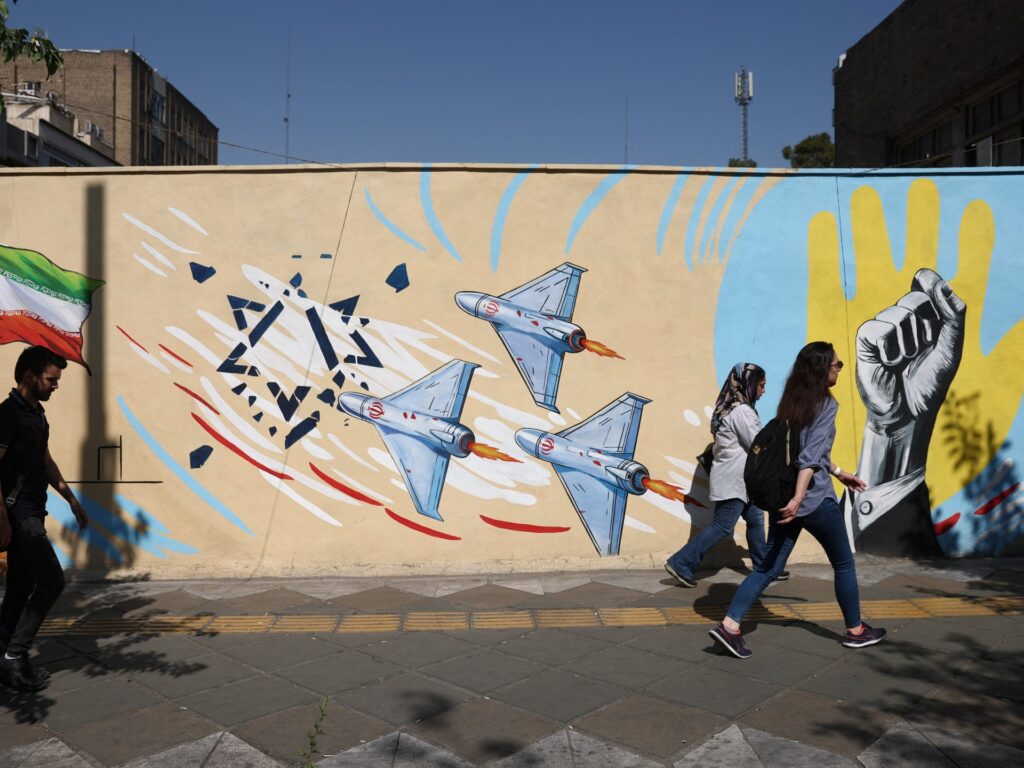
Tehran retaliated swiftly, carrying out missile and drone attacks targeting US bases and allied installations in the region. The back-and-forth exchanges have raised alarm among international analysts and diplomats, who fear that this cycle of violence could spiral into a broader regional conflict.
Experts highlight that the incidents reflect deeper geopolitical fractures and conflicting interests between Washington and Tehran, following years of diplomatic breakdown and escalating proxies conflicts. The US strike was characterized by precision targeting designed to minimize civilian casualties, but the Iranian side condemned the attacks as acts of aggression and vowed to continue resisting what it describes as foreign intervention.
Regional actors and global powers have called for restraint, urging both sides to return to diplomatic negotiations before the situation deteriorates further. However, on the ground, military officials on both sides maintain heightened alertness, preparing for possible further escalations. The US Department of Defense reiterated its commitment to protecting its personnel and interests in the Middle East, while Iran’s Revolutionary Guard emphasized its readiness to defend its sovereignty and respond decisively to any aggression.
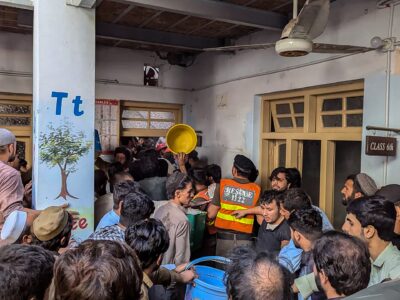
Humanitarian concerns continue to grow as the conflict disrupts civilian life in affected areas, with reports of displacement and casualties. International organizations have called for urgent humanitarian access and ceasefire agreements to alleviate the suffering of innocent populations caught in the crossfire.
This day, marking over three months of confrontation, underscores the fragility of peace in the region and the urgent need for renewed diplomatic engagement. Analysts warn that without de-escalation measures, the continuous tit-for-tat strikes could provoke wider military responses, drawing additional countries into a potentially devastating conflict.
As the situation develops, global eyes remain fixed on the Middle East, hoping for signs of de-escalation amid the mounting warfare pressures. Both Washington and Tehran face critical decisions that will shape the future stability of the region and the prospects for peace moving forward.