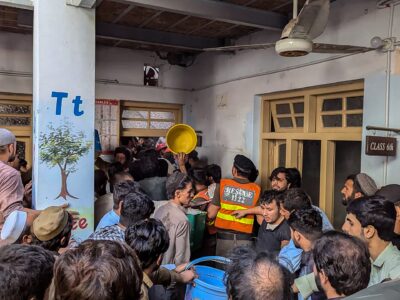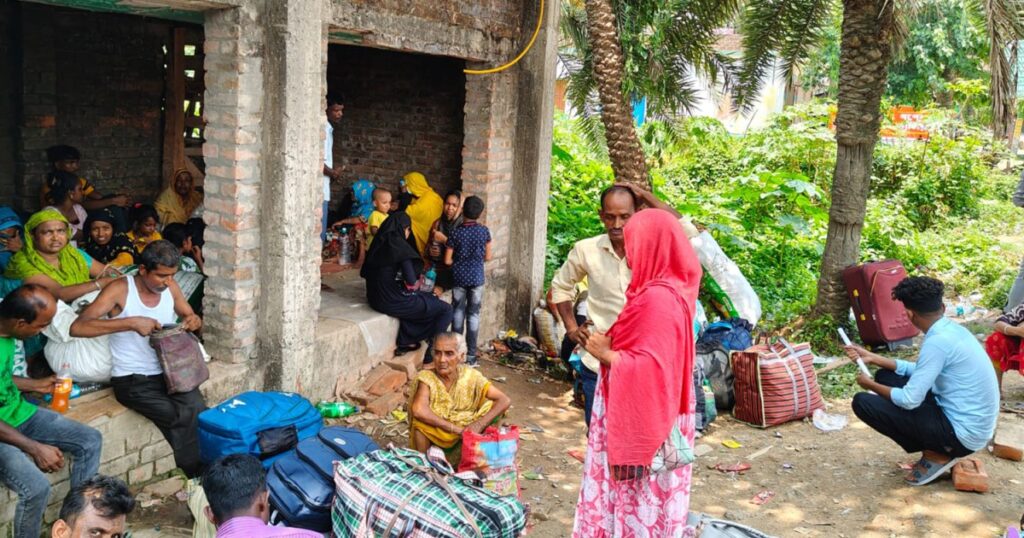
In recent times, the Indian state of West Bengal has been witnessing a controversial crackdown targeting undocumented migrants, primarily affecting Muslim Bangladeshis. This operation has led to hundreds being pushed to the border, while many others have been detained in various detention centres across the state.
West Bengal, sharing a long and porous border with Bangladesh, has historically been a hub for migrants from its neighboring country. The region’s demographic and political landscape has always been sensitive to migration issues, with religious and ethnic factors playing a significant role.
The current move by the Bengal government, reportedly aimed at curbing illegal immigration, has sparked widespread concern and criticism from human rights groups and political leaders alike. Many fear that these actions will exacerbate religious tensions in an already volatile region.
Detentions and forced expulsions are creating a humanitarian crisis, with numerous families being separated and displaced. Activists argue that the crackdown disproportionately targets the Muslim community, further fueling allegations of religious discrimination.
The government maintains that the crackdown is a necessary measure to protect the country’s sovereignty and maintain law and order. Officials assert that those found without valid documentation must face the law, regardless of their religion.
The social fabric of Bengal has long been delicately balanced with its diverse communities coexisting despite occasional conflicts. However, this recent wave of deportations threatens to destabilize this balance, potentially leading to communal unrest.
Border villages have reported heightened anxiety as families fear sudden raids and displacement. The influx of deported individuals back into Bangladesh is also straining resources and increasing diplomatic tensions between the two neighboring countries.
Political commentators suggest that the situation may have broader implications for India’s internal politics, especially in relation to national identity and citizenship laws. The issue of illegal migration has been a focal point in Indian politics, often intertwined with religious and nationalist narratives.
International observers have called for dialogue and humane treatment of migrants, emphasizing the need to uphold human rights standards during enforcement actions. They warn that neglecting these concerns could lead to long-term instability not only in West Bengal but in the larger South Asian region.
As West Bengal continues its crackdown, the coming weeks will be critical in determining how this complex issue unfolds. Balancing national security concerns with the rights and dignities of vulnerable populations remains a daunting challenge.
The crisis underscores the ongoing complexities surrounding migration, citizenship, and religious identity in South Asia. It also highlights the urgent need for comprehensive policies that address these challenges in a fair and equitable manner, fostering harmony rather than division.