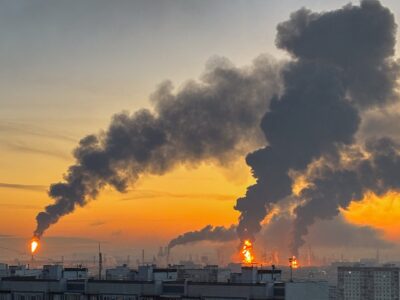
In a dramatic escalation of tensions in the Middle East, Iran has launched missile attacks targeting Israel in retaliation for recent airstrikes conducted by Israel in Beirut, Lebanon. The Israeli actions in Beirut have reportedly resulted in the deaths of at least two individuals and injuries to around twenty others, further intensifying the already volatile situation.
The initial spark for this latest round of conflict was an Israeli military operation directed at Lebanon’s capital, Beirut. Israel has not officially commented on the exact reasons or objectives behind these strikes. However, regional analysts speculate that the attacks were aimed at Hezbollah infrastructure or operatives, given the group’s strong presence in Lebanon and its ties to Iran.
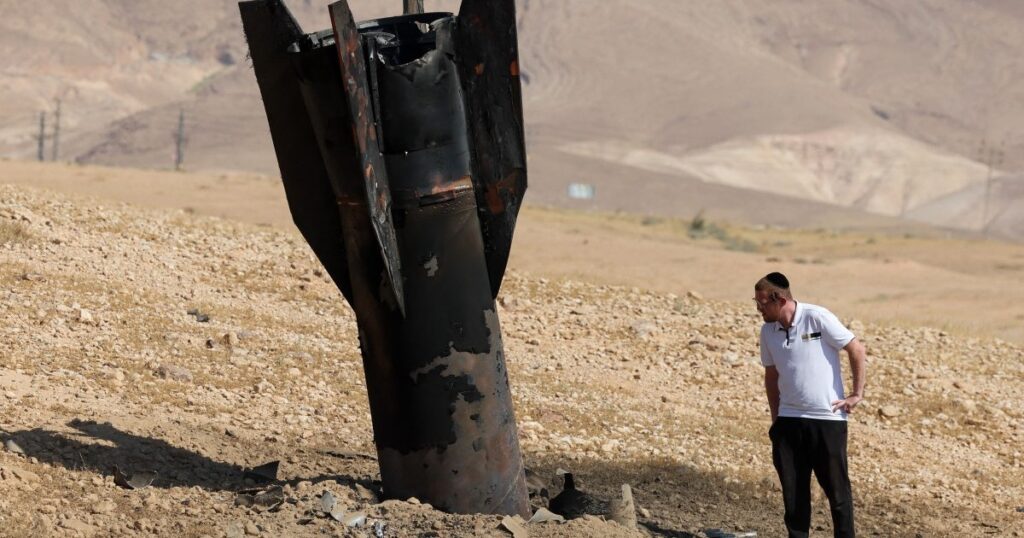
Shortly after the Israeli airstrikes, Iranian forces responded by firing missiles towards Israeli territory. The exact impact and damage caused by the Iranian missile strikes are still unclear, with reports indicating ongoing assessments of casualties and infrastructure damage. Both nations remain on high alert, preparing for potential further confrontations.
This sequence of attacks marks one of the most severe escalations between Iran and Israel in recent times. Historically, both countries have been locked in a proxy conflict, often involving Lebanon and Syria, with periodic cross-border flare-ups. However, direct missile exchanges as seen now risk a broader regional war.
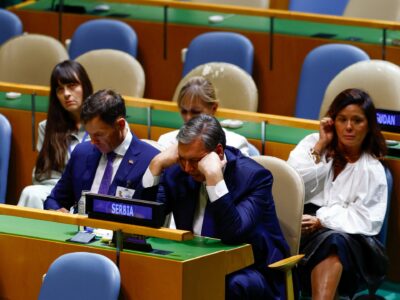
International reactions have been swift, with calls from various governments and international bodies for restraint and dialogue to prevent further violence. The United Nations and several global powers have urged both sides to immediately de-escalate tensions and engage in diplomatic efforts to avert a full-scale conflict.
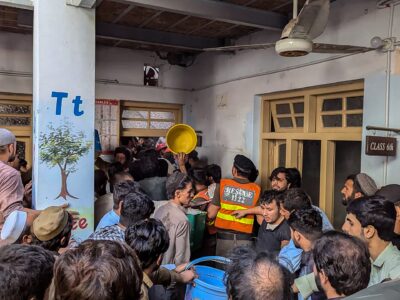
The civilian populations in affected areas are bearing the brunt of this conflict escalation. Casualty reports from Beirut underline the human cost of military actions, while Israeli communities near the border are also bracing for possible future attacks. Humanitarian organizations have expressed deep concern about the growing instability and the potential for a serious humanitarian crisis if the conflict continues.
Regional experts warn that the current path of military actions could draw in other actors in the Middle East, potentially turning a localized conflict into a wider regional war. Countries such as Syria, Iraq, and others with vested interests in the Iran-Israel rivalry are being closely watched.
This troubling development raises questions about the future of peace and stability in the Middle East. The international community remains hopeful that diplomatic channels will prevail and prevent further bloodshed. Analysts emphasize the critical need for renewed peace talks and confidence-building measures between the conflicting parties.
As the situation unfolds, news agencies continue to monitor and report on the dynamics of this conflict, highlighting the urgent need for solutions to a decades-long struggle that has periodically erupted into violence. The coming days will be critical in determining whether a larger war can be avoided or if the region will plunge deeper into conflict.