Tensions in the Middle East have dramatically escalated as explosions were reported in major Iranian cities Tehran and Isfahan. These events come shortly after Israeli forces launched airstrikes on Lebanon’s capital, Beirut, resulting in at least two deaths and injuring 20 others.
The latest developments mark a severe intensification in the ongoing conflict between Israel and Iran, with the region now witnessing a dangerous spiral of retaliatory attacks. Israel’s initial assault on Beirut targeted key militia positions, signaling a direct response to perceived threats from Iranian-backed groups operating in Lebanon.
Following the strikes in Beirut, Tehran and Isfahan experienced explosions attributed to Israeli military actions aimed at crippling Iran’s strategic capabilities and infrastructure. While details remain fluid, early reports suggest the targets were military installations linked to Iran’s defense operations.
Emergency services in Tehran have been working tirelessly to manage the aftermath of the explosions, assisting the injured and addressing infrastructural damage. Isfahan, a city known for its industrial sectors, also faced significant impacts, raising concerns about broader economic and civilian repercussions.
International reactions have been swift and varied. Several countries have called for restraint to prevent further escalation that could engulf the region in wider conflict. The United Nations has urged both sides to engage in dialogue to de-escalate tensions and seek peaceful resolutions.
This latest surge of violence underscores the fragile state of security in the Middle East. Analysts warn that continued exchanges of attacks could destabilize the region further, impacting global energy markets and international diplomatic relations.
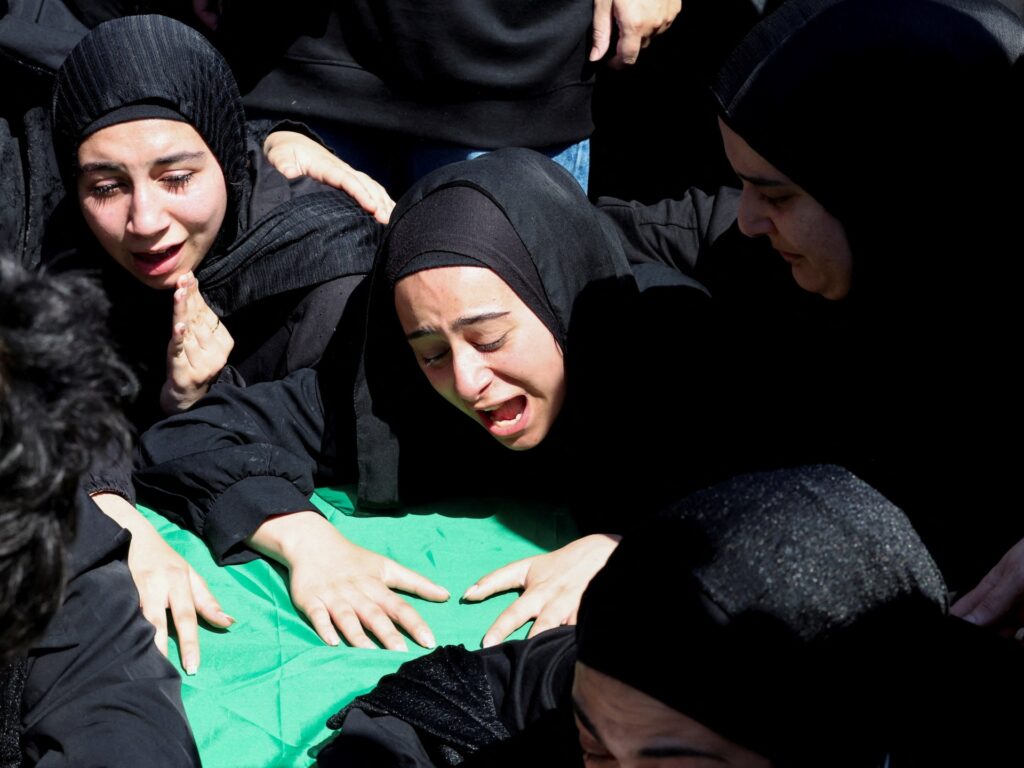
Residents in affected cities express heightened anxiety and fear as daily life is disrupted and safety becomes uncertain. Humanitarian organizations are preparing for potential increases in casualties and displacement as the conflict unfolds.
The world watches closely as these developments unfold, hoping for an end to the cycle of violence that has prevailed for decades in this geopolitically critical region. The coming days will be crucial to determine whether diplomatic efforts can forestall a broader war or if the hostilities will deepen.