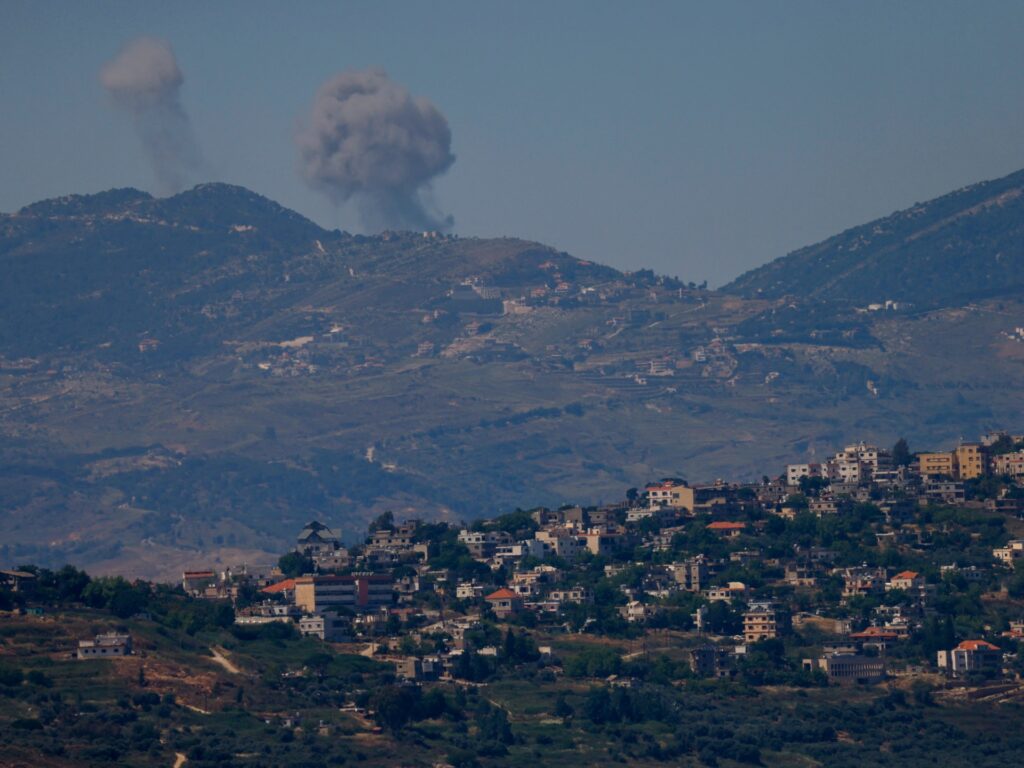
In a tense escalation in the Middle East, the US Central Command has reported the interception of seven ballistic missiles fired towards Kuwait and Bahrain, attributed to Iranian forces. This incident underscores the growing volatility in the region as geopolitical tensions intensify. The missile launches are part of a broader pattern of aggression linked to the ongoing conflict between Israel and Lebanon, with Israel continuing its bombing campaign in Lebanon.
The US military’s prompt interception of these missiles highlights the strategic importance of safeguarding allied nations in the Gulf region. Kuwait and Bahrain, as key US allies, face significant threat from such attacks potentially destabilizing the wider regional security framework.
The backdrop to these missile strikes involves heightened military activities; Israel sustained its air strikes on Lebanon, targeting positions believed to be linked to militant groups. This sustained bombing campaign has resulted in significant casualties and has prompted widespread international concern over the potential for further escalation.
Iran’s role in the conflict, exemplified by the missile launches, signals its support for Lebanese militant factions. Tehran’s actions contribute to the complex proxy dimensions of the conflict, whereby Iran and Israel vie for influence and control through their respective allies.
Regional experts warn that these developments could exacerbate the already fragile security situation in the Middle East. With multiple actors involved and high-stakes interests at play, the risk of broader conflict looms.
The US Central Command’s intervention with missile defense systems demonstrates advanced military preparedness, aiming to curb Iranian aggression and protect critical Gulf states. This incident reflects the broader US strategy to maintain stability and deter hostile actions in a region vital to global energy supplies and geopolitical stability.
International reactions continue to pour in, with calls for de-escalation to prevent full-scale war. Diplomatic efforts are expected to intensify as global leaders seek to mediate the crisis and avoid further loss of life.
In conclusion, the interception of Iranian ballistic missiles by the US coupled with Israel’s ongoing strikes in Lebanon marks a significant escalation in Middle Eastern tensions. The international community faces a critical juncture in addressing these conflicts, balancing military action with diplomatic engagement to restore peace and stability in this volatile region.