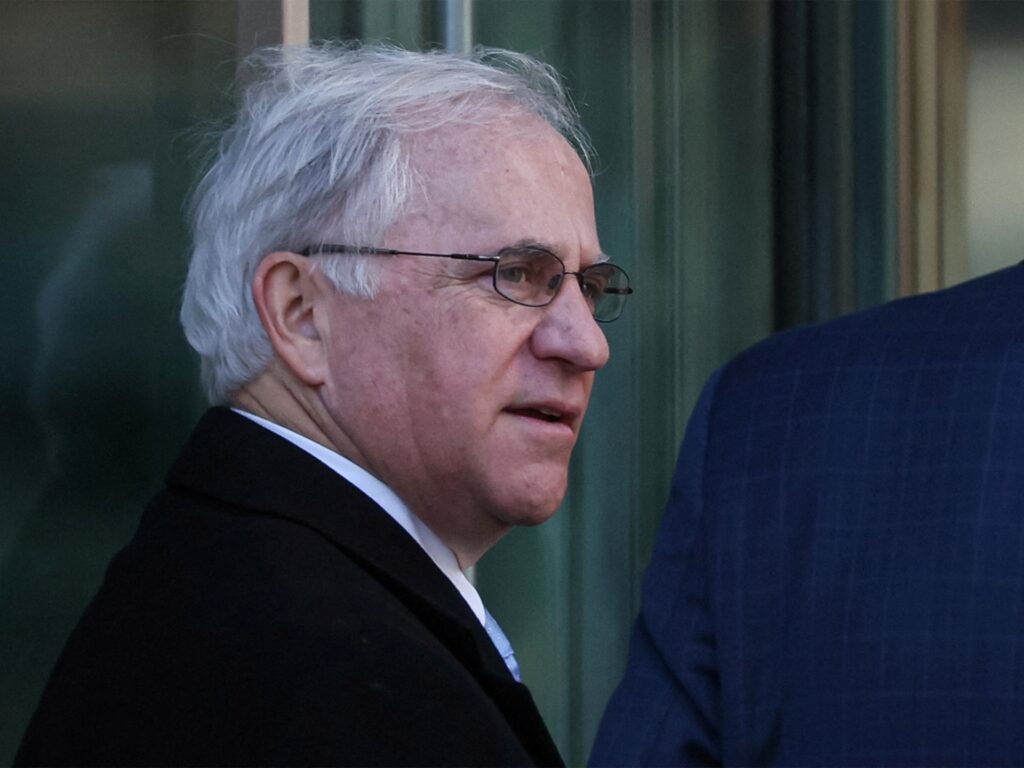
In a recent controversial decision, former President Donald Trump granted a pardon to Stephen Buyer, a former Republican member of the U.S. Congress who was convicted on charges related to insider trading. Buyer, who served as a representative, was found guilty and sentenced to 22 months in prison. Despite the conviction, Buyer has consistently maintained his innocence throughout the legal process.
The pardon marks a significant and contentious move by Trump, who has frequently used his presidential clemency powers to exonerate allies and political supporters facing legal challenges. Buyer’s case involved allegations that he used non-public information for personal financial gain, a serious breach of public trust that undermines confidence in government officials.
Stephen Buyer’s legal troubles stem from accusations that he engaged in insider trading, a crime that violates securities laws and involves trading a public company’s stock based on confidential information. The conviction followed a thorough investigation and trial, culminating in a prison sentence intended to serve as a deterrent to unethical conduct by elected officials.
Buyer’s supporters argue that the investigations and trial were politically motivated, citing his consistent claims of innocence. They believe the pardon rectifies an injustice and restores Buyer’s reputation. Critics, on the other hand, consider the pardon an abuse of power that undermines the rule of law and diminishes accountability for wrongdoing in public office.
The decision to pardon Buyer has sparked debate about the limits of presidential pardon powers and the implications for ethical standards in government. Legal experts caution that while pardons are within presidential authority, their use in cases of political favoritism raises concerns about the impartiality of justice.
This pardon adds to a series of clemency acts issued by Trump during his tenure and afterward, often generating polarized reactions from the public, lawmakers, and the media. Observers note that such pardons can influence public perceptions of corruption and the integrity of the legal system.
Stephen Buyer’s case highlights ongoing challenges in balancing legal accountability with political dynamics, especially when high-profile figures are involved. As discussions continue, advocates for reforming the pardon system call for clearer guidelines and constraints to prevent potential misuse.
The broader conversation also includes the role of transparency and oversight in governmental ethics to ensure elected officials adhere to strict standards. The outcome of Buyer’s pardon could set precedents affecting future cases involving accusations of misconduct by public servants.
In conclusion, the pardon of Stephen Buyer by Donald Trump underscores the complexities and controversies surrounding insider trading allegations, presidential clemency, and the interplay of politics and justice in the United States. The full impact of this decision will likely unfold in public and legal discourse in the months and years ahead.