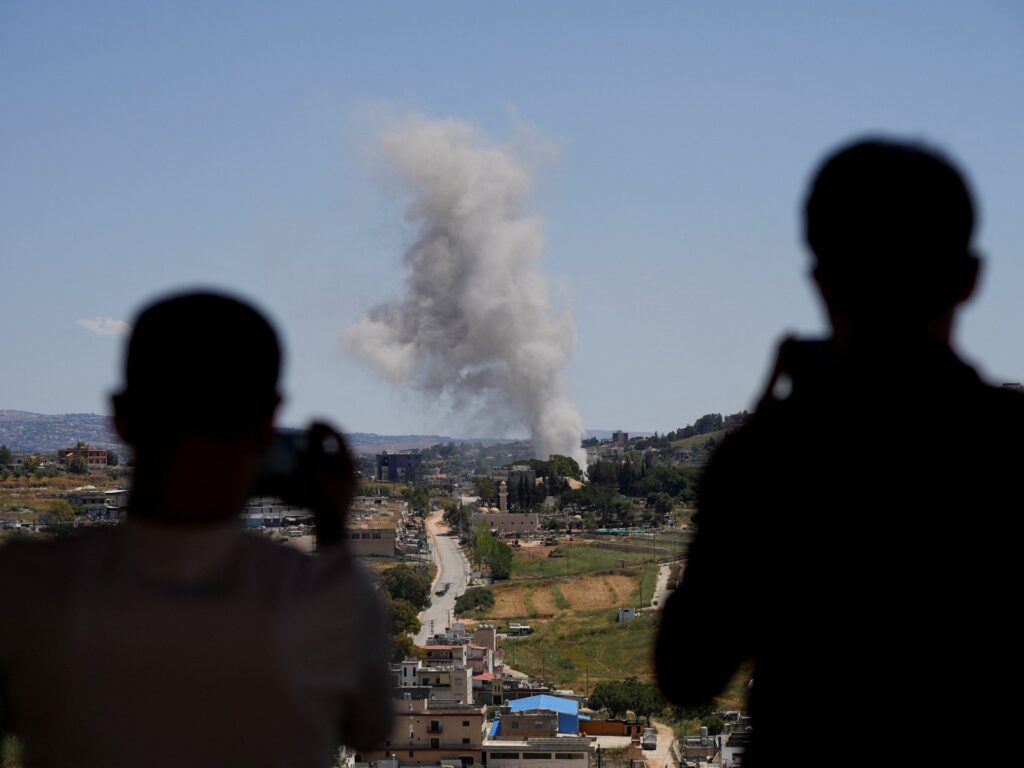
In a recent escalation of conflict, Israeli military operations in Lebanon have led to the deaths of 12 individuals, including several high-ranking officers. Among the casualties were a brigadier general, a captain, and a soldier who were traveling together on the Khardali-Nabatieh road when they were killed.
This attack marks one of the deadliest incidents in the ongoing tensions between Israel and Lebanon, highlighting the volatility and risks present in the region. The loss of high-ranking military personnel underscores the intensity and precision of the strike.
The Lebanese authorities have condemned the strike, labeling it a violation of sovereignty and a dangerous escalation that could further destabilize the already fragile security situation. The families of the victims and the local population expressed grief and outrage over the sudden loss.
Reports indicate that the location of the attack on the Khardali-Nabatieh road was strategic, aiming at a group of military officials. This might suggest a targeted effort by Israeli forces to weaken Lebanese military capabilities.
International reactions have been mixed, with some countries calling for restraint and dialogue to prevent further escalation, while others have expressed support for Israel’s right to defend itself against perceived threats.
The incident is likely to deepen animosities and could trigger retaliatory actions or a surge in hostilities, complicating peace prospects in the region. It also raises concerns about the safety of civilians and military personnel moving through contested areas.
Human rights organizations have called for an independent investigation into the attacks, stressing the importance of accountability and adherence to international laws governing armed conflict.
The situation remains tense as both sides prepare for potential further clashes. Diplomatic efforts may intensify in the coming days to manage the crisis and prevent a broader conflict.
This tragic event serves as a reminder of the ongoing volatility in the Middle East and the heavy toll of military conflicts on both sides, including loss of life, political instability, and humanitarian challenges.