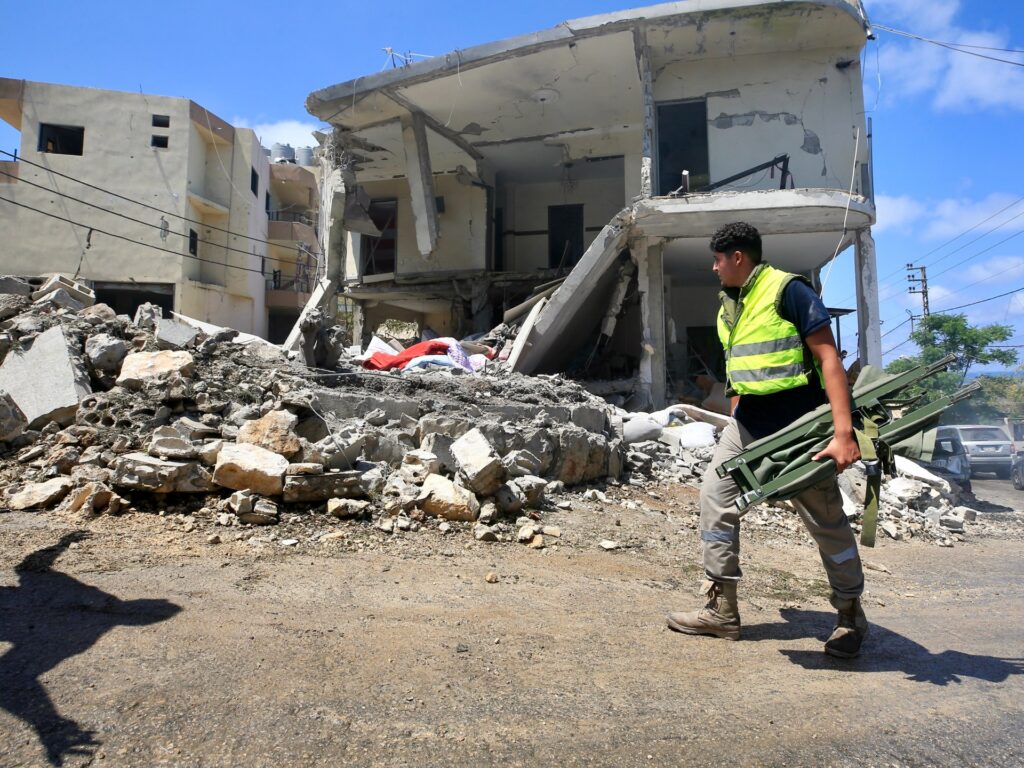
Recent Israeli attacks in Lebanon have tragically resulted in the deaths of 10 individuals, marking a significant escalation in regional tensions. Among those killed were high-ranking military personnel, including a brigadier general, a captain, and a soldier. The fatal incidents occurred while the soldier was traveling on the Khardali-Nabatieh road, underscoring the pervasive dangers faced by both military and civilian individuals in the conflict zones.
The loss of a brigadier general and other senior officers highlights the severity and strategic nature of the attacks, suggesting targeted efforts amid ongoing hostilities in Lebanon. These killings have stirred widespread concern and condemnation, reflecting the fragile security situation in the region.
The clashes underscore the ongoing volatile relations between Israel and Lebanon, with frequent exchanges and military actions often resulting in civilian and military casualties. The death toll from this particular series of attacks raises alarms about the potential for further escalations if diplomatic or military interventions are not swiftly undertaken.
Security analysts note that the targeting of high-level military figures could be intended to disrupt command structures and weaken military capabilities in Lebanon. Meanwhile, the death on the Khardali-Nabatieh road — a key transit route — opens worries about safe passage for others moving through the area.
Lebanese authorities are likely to respond to these events with heightened security measures and possible retaliation, while international actors may advocate for restraint and calls for ceasefire negotiations. The situation remains dynamic, with the potential for further developments as both sides assess their next moves.
The broader implications of the attacks also include concerns about regional stability and the impact on civilian populations caught in the crossfire. Humanitarian organizations have urged all parties to ensure protection for non-combatants and to uphold international laws concerning armed conflict.
As the situation evolves, the international community watches closely, balancing diplomatic pressure and support for peace efforts to mitigate violence and foster dialogue. The loss of lives, especially prominent military personnel, serves as a stark reminder of the human cost of ongoing conflicts and the urgent need for peaceful resolution.