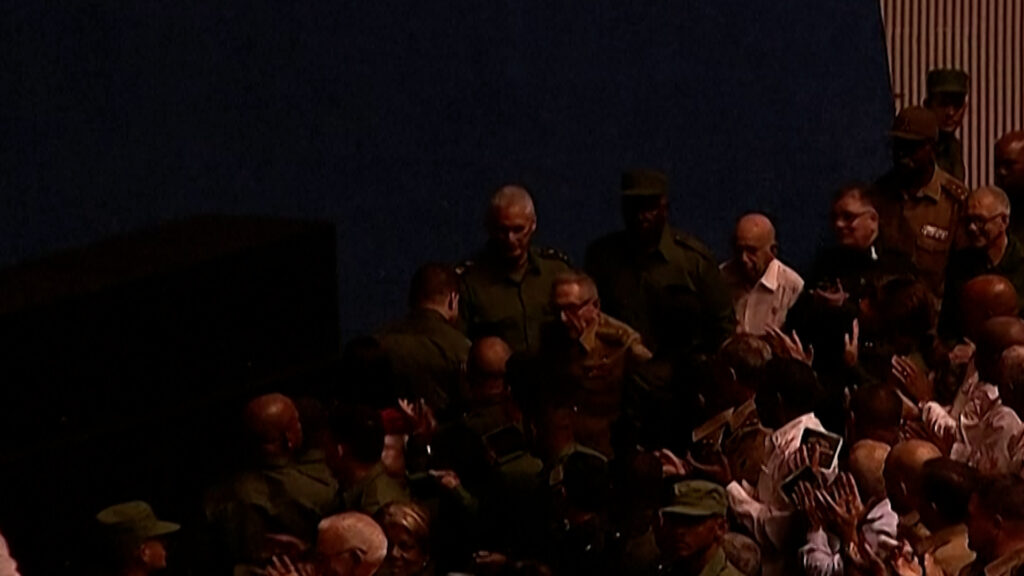
Raul Castro, the former president of Cuba and brother of the revolutionary leader Fidel Castro, has made his first public appearance in Havana following his indictment by the United States. This marks a significant moment given the historical and political tensions between the US and Cuba.
The charges against Raul Castro, which have not been detailed in this report, reflect the continuing strain in diplomatic relations that have persisted over decades. Despite these charges, Raul’s public appearance indicates his sustained role and presence in Cuban politics and society.
Raul Castro stepped down as Cuba’s president in 2018 but remains a significant figure in the Communist Party and the Cuban government structure. His public re-emergence amidst the US indictment has sparked mixed reactions domestically and internationally.
In Havana, Raul was seen engaging with party officials and citizens, showcasing his ongoing influence. The event was heavily covered by Cuban state media, emphasizing stability and resilience amid external pressures.
U.S. authorities have not publicly disclosed the full scope of the accusations, leaving many questions unanswered about the legal and political implications. Analysts suggest the charges could be related to ongoing ideological conflicts or specific actions taken during Raul’s leadership tenure.
Raul Castro’s indictment comes at a time when US-Cuba relations are already fragile. The last few years have seen a rollback of some diplomatic gains made during the Obama administration, with increased sanctions and restrictions.
Supporters of Raul argue this public appearance is a demonstration of defiance and sovereignty in the face of foreign interference. Critics, however, view the indictment as justified and indicative of deeper issues within the Cuban regime.
Historically, Raul Castro played a crucial role in Cuba’s transition during the post-Fidel era, focusing on economic reforms and maintaining the Communist Party’s grip on power. His leadership period was marked by cautious modernization efforts but maintained strict political control.
The US government’s move to indict a former head of state is unusual and highlights the complex interplay of law and international relations. It also raises questions about the future of US-Cuba engagement and the potential impact on Cuban internal politics.
Experts are now watching closely to see how Raul Castro’s public presence might influence the island’s political landscape and how the Cuban government will navigate these ongoing challenges.
This development underscores the enduring significance of Raul Castro in Cuban affairs and reflects the ongoing geopolitical tensions that continue to shape the dynamics between Cuba and the United States.