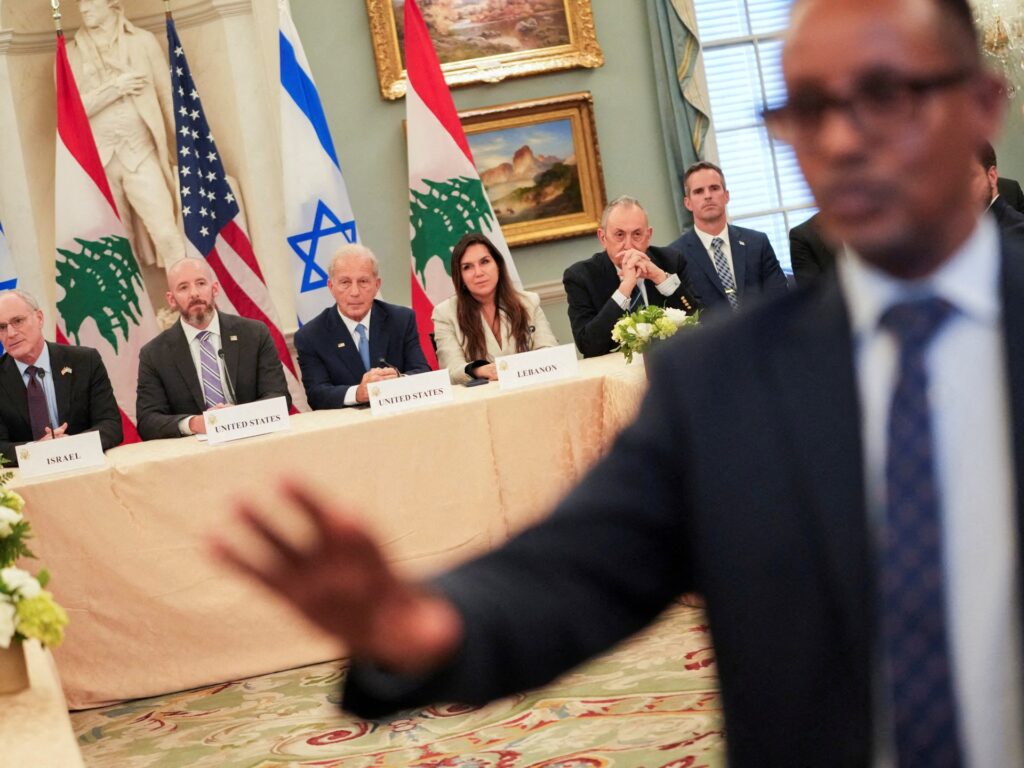
In a significant diplomatic breakthrough, Israel and Lebanon have reached an agreement on a conditional ceasefire, following intensive negotiations brokered by the United States in Washington, DC. The talks, however, notably excluded Hezbollah, the influential armed group based in Lebanon.
The deal aims to halt hostilities and reduce tensions that have escalated in recent times along the Israel-Lebanon border. Though details remain confidential, sources indicate that the ceasefire is dependent on certain conditions being met by both parties, emphasizing a fragile but hopeful step toward peace.
This agreement marks an important milestone in the complex relationship between Israel and Lebanon, which has been fraught with conflict and intermittent violence for several decades. The involvement of the US as a mediator highlights the international community’s vested interest in stabilizing the volatile region.
Lebanon’s government welcomed the ceasefire as a positive gesture toward rebuilding trust and fostering longer-term peace talks. Meanwhile, Israel views this deal as a necessary measure to ensure security and prevent further escalations that threaten civilian lives on both sides.
Critically, the absence of Hezbollah from the negotiations raises questions about the sustainability of the ceasefire. Hezbollah, a powerful political and military entity within Lebanon, has historically been a pivotal actor in conflicts with Israel, and its exclusion may present challenges to enforcing the ceasefire agreement across all Lebanese factions.
Observers note that while the agreement is a step forward, continuous dialogue and broader inclusion will be crucial for the ceasefire to transition into a durable peace. The US administration has expressed commitment to ongoing diplomatic support and the facilitation of future talks involving all significant stakeholders, including Hezbollah.
The conditional nature of the ceasefire means it is subject to ongoing review, with mechanisms likely in place to monitor compliance and address violations swiftly. This approach reflects the complex security dynamics in the region, where ceasefire agreements can be fragile and vulnerable to breakdowns.
The international community has largely reacted positively to the announcement, viewing it as an opportunity to ease longstanding regional tensions. Humanitarian agencies have also highlighted the potential for reduced suffering and improved access to aid in conflict-affected areas.
Both Israel and Lebanon face internal pressures and political challenges that will influence the implementation of the ceasefire. Domestic constituencies in both countries demand security assurances and accountability for any breaches.
In conclusion, the Israel-Lebanon conditional ceasefire agreement brokered by the US is a hopeful, yet cautious development in the pursuit of stability in the Middle East. The path ahead requires continued commitment, inclusive dialogue, and vigilance to translate this fragile ceasefire into lasting peace.
The coming months will be critical as both nations navigate the terms of the ceasefire, manage internal political dynamics, and engage in efforts to expand the peace process to include all relevant parties and stakeholders.