The ongoing conflict involving Iran has reached a critical juncture as a ceasefire between the US and Iran is being severely tested by recent violent clashes. These hostilities have intensified fears of a broader regional war, with diplomatic efforts struggling to maintain peace amid the escalating tensions.
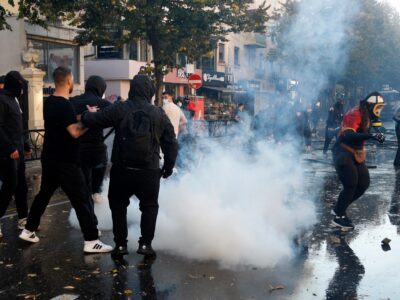
The latest incidents saw multiple violent exchanges that challenge the fragile ceasefire agreements previously established. These confrontations underline the precarious situation in the Middle East, where geopolitical interests and longstanding animosities continue to fuel the conflict.
Simultaneously, violence in Gaza has escalated significantly. Israeli forces launched a series of deadly operations that resulted in the deaths of nine Palestinians. This surge in violence has prompted international concern about the humanitarian impact and the potential for further escalation in the already volatile Gaza Strip.
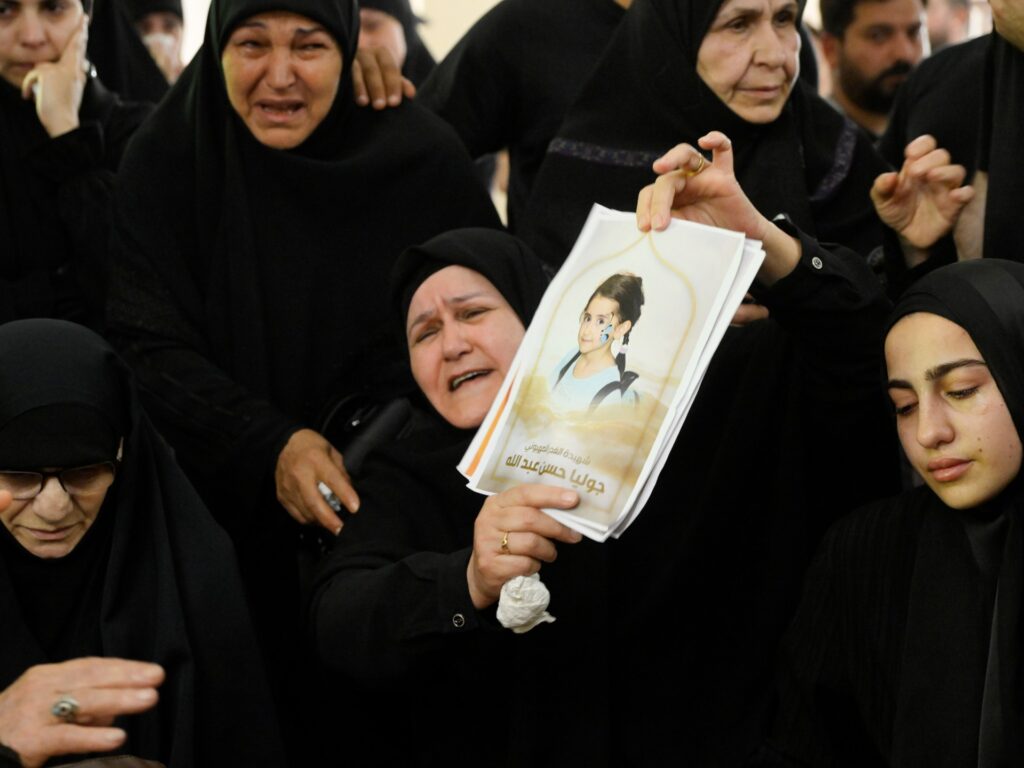
In Lebanon, the situation remains dire as Israeli attacks have taken an immense toll on the population. According to Lebanon’s Health Ministry, 3,516 people have been killed as a result of Israeli military operations since March. This grim statistic highlights the severe humanitarian crisis unfolding in Lebanon, where communities are struggling to cope with the aftermath of sustained conflict.
The combination of US-Iran clashes testing ceasefire arrangements, Israeli military actions in Gaza resulting in multiple casualties, and the mounting death toll in Lebanon paints a bleak picture of regional instability. Each event contributes to a complex web of conflict, where political, ethnic, and religious tensions intersect.
International agencies and foreign governments have expressed deep concern over the escalating violence. Calls for renewed diplomatic engagement and immediate humanitarian assistance have been made to prevent further loss of life and to stabilize the region. However, achieving a lasting peace deal remains elusive amid the deep-rooted mistrust and strategic calculations of the involved parties.
The ongoing situation underscores the urgent need for comprehensive peace efforts addressing the underlying causes of conflict in the Middle East. Without substantial dialogue and meaningful concessions, the risks of a wider war and prolonged suffering for civilian populations remain high.
As events continue to unfold, the international community watches closely, hoping for a de-escalation that could pave the way for peace and reconstruction in one of the most tumultuous regions of the world.