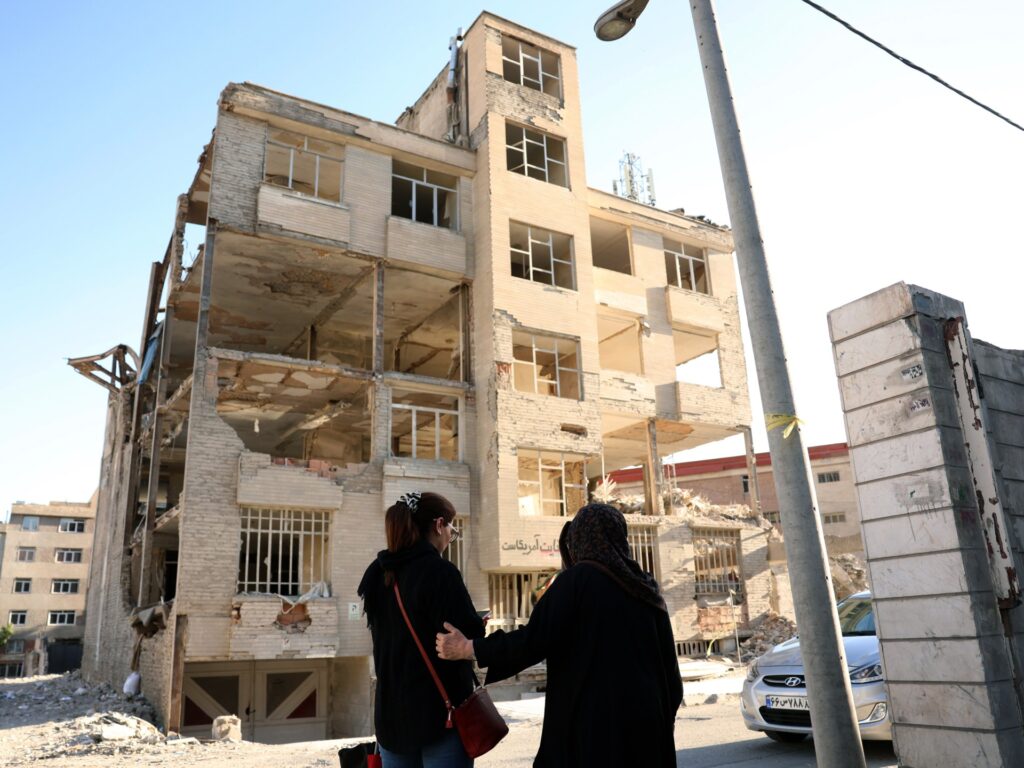
On day 96 of the ongoing conflict involving Iran, tensions have escalated as the United States and Iran engage in a series of new attacks, raising concerns about further destabilization in the region. The renewed hostilities come amid a complex backdrop of diplomatic and military maneuvers that have defined this prolonged confrontation.
The clash marks a significant phase in the conflict, with both sides intensifying their offensive operations. Iran, facing increasing international pressure, has reportedly launched targeted strikes against US interests and allies in the Middle East. These attacks signify a strategic attempt by Iran to assert its influence and respond to what it views as continued American aggression.
In Washington, policymakers remain steadfast in their approach. Senator Marco Rubio has publicly delineated the conditions under which the United States would consider lifting sanctions on Iran. Specifically, Rubio emphasized that sanctions relief is contingent upon Iran relinquishing its enriched uranium reserves, a critical component that underpins the country’s nuclear ambitions.
This position effectively rejects any deals linked to the strategic Strait of Hormuz, a vital maritime corridor through which a significant portion of the world’s oil supplies transit. Proposals that might involve easing tensions or securing navigation rights through this strait as a basis for sanctions relief have not been met with approval by key US officials.
The dispute over Iran’s nuclear program remains a central issue fueling these hostilities. The enrichment of uranium by Iran is viewed by many in the international community as a step towards developing nuclear weapons capability, although Iran asserts its program is for peaceful purposes only. The US government’s insistence on uranium relinquishment underscores the critical security concerns involved.
Meanwhile, diplomatic efforts to mitigate the conflict appear strained, with little indication of near-term breakthroughs. International actors continue to urge restraint, but the cycle of attacks and counterattacks perpetuates a volatile situation.
Iran’s strategic positioning and military responses highlight its determination to resist external pressures and maintain its regional influence. The recent escalation could complicate ongoing sanctions negotiations and push the region closer to broader conflicts.
The US remains poised to maintain a pressure campaign aimed at curbing Iran’s nuclear program and limiting its military reach. At the same time, the consequences of prolonged hostilities on global energy markets, regional security, and international relations are increasingly pronounced.
As the situation develops, global attention is focused on the potential for diplomatic resolutions versus the risks of escalating military engagements. The steadfast stance from the US, epitomized by leaders like Rubio, indicates that any easing of tensions will require significant concessions from Iran, particularly concerning its nuclear capabilities.
This ongoing conflict underscores the fragile state of Middle Eastern geopolitics and the challenges faced by the international community in balancing diplomatic engagement with security imperatives. The next steps over the coming days will be crucial in shaping the trajectory of US-Iran relations and the broader stability of the region.