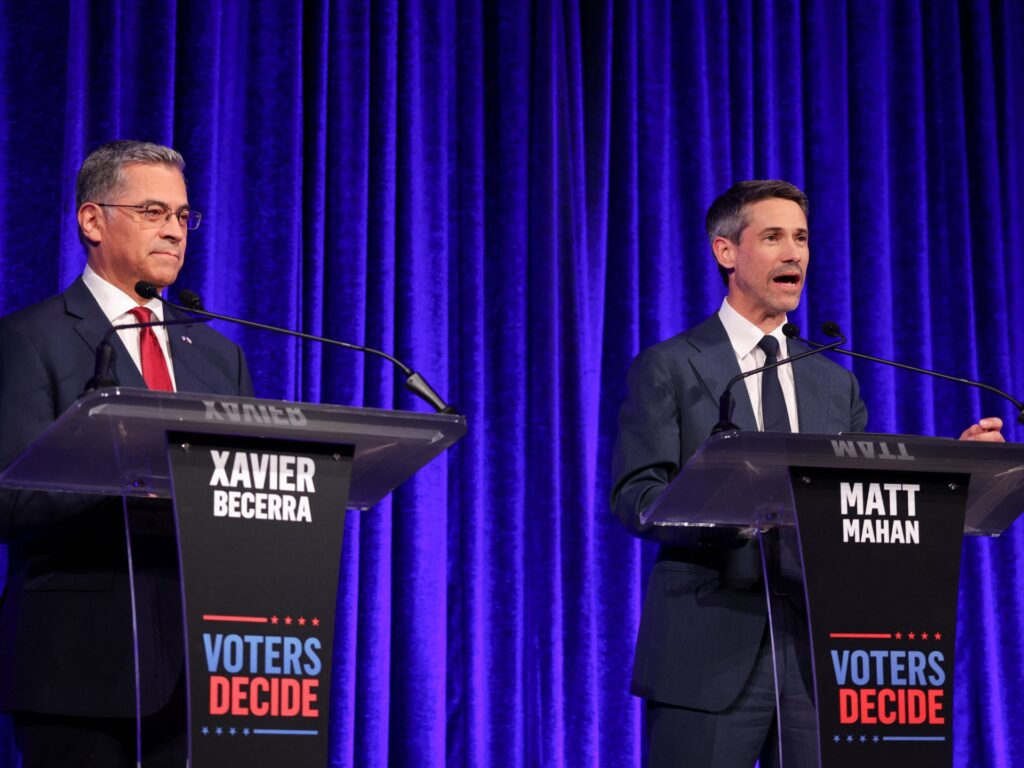
California, the most populous state in the United States, is gearing up for a fiercely contested gubernatorial race with an unprecedented 61 candidates vying for the position. The primary elections, critical in determining the state’s next governor, have drawn significant attention not only due to the sheer number of contenders but also because of the political stakes involved. Currently, Governor Gavin Newsom is the incumbent, but the question looming large is: Who will replace Newsom?
The primary elections serve as a crucial preliminary step before the general election. They help narrow down the field from the large pool of candidates to the top two who will advance to the final ballot. This system, known as the top-two primary system, means that any candidate, regardless of political party affiliation, can move forward based solely on voter support.
Among the 61 candidates, there is a diverse array of political backgrounds and platforms. Some candidates are established politicians with prior experience in state or national offices, while others are newcomers seeking to bring fresh perspectives to California’s leadership.
The political landscape in California is complex, with various factors influencing voter preferences. Key issues include housing affordability, environmental policies, immigration, education, and economic recovery following the COVID-19 pandemic. These concerns are shaping the campaigns and the priorities candidates emphasize.
Governor Gavin Newsom’s tenure has been marked by significant challenges and accomplishments. From navigating the COVID-19 crisis to addressing wildfire management and climate change initiatives, Newsom’s policies have both supporters and detractors. This backdrop creates a dynamic electoral environment, with candidates positioning themselves as either continuers of Newsom’s agenda or advocates for substantial change.
Voter engagement in California is critical during this election cycle. With so many candidates, voters need to be informed and discerning to make choices that align with their values and the future they envision for the state. Primary elections in California are conducted via mail-in ballots, allowing for broad participation across diverse communities.
Campaign strategies have also evolved with the digital era. Candidates are leveraging social media, virtual town halls, and targeted advertising to reach voters, especially younger demographics who are crucial in shaping election outcomes.
The outcome of the primary elections will significantly impact California’s political direction. The top two vote-getters, regardless of party, will face off in the general election, setting the stage for a highly competitive and closely watched race.
In conclusion, California’s gubernatorial primary is not just a routine political event but a reflection of the state’s dynamic socio-political fabric. With over 60 candidates, the election highlights the vibrant democratic process and the intense competition for leadership in the nation’s most populous state. As voters head to the polls, understanding the candidates, key issues, and electoral mechanisms is essential for making informed decisions on who will replace Governor Newsom.