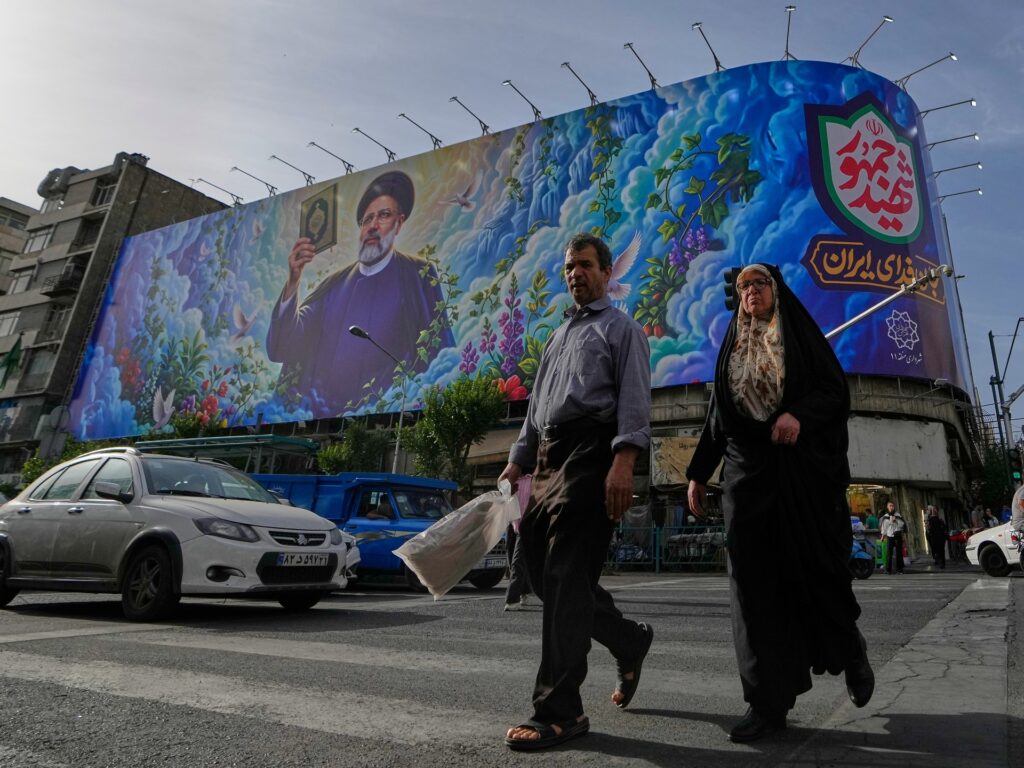
As the conflict in the Middle East enters its 94th day, the situation remains highly volatile with multiple developments highlighting the ongoing tensions. The United States has launched strikes against Iranian sites, marking a significant escalation in its military involvement. Meanwhile, Kuwait has intercepted missiles launched in the region, underscoring the growing threat to Gulf countries amid the widening conflict.
In parallel to these developments, attempts at a peace deal between the US and Iran have thus far failed to yield results, prolonging hostilities and uncertainty in the region. The complex geopolitical dynamics continue to challenge diplomatic efforts aimed at de-escalation.
On another front, Israel has intensified its military offensive into southern Lebanon, further complicating the security landscape. The deepening of this offensive signals Israel’s strategic objective to counter perceived threats from militant groups based in Lebanon, primarily Hezbollah, which has been a longstanding actor in regional conflicts.
The US strikes against Iranian sites are believed to be a response to activities that Washington deems as provocative or threatening to its interests and allies in the region. This military action is likely to exacerbate the already fragile situation, with potential repercussions for regional stability.
Kuwait’s interception of missiles demonstrates the increasing risk of spillover violence affecting neighboring countries. Missile attacks and defense responses have raised concerns over civilian safety and infrastructure security within the Gulf Cooperation Council states.
Israel’s operations in southern Lebanon have included targeted strikes and ground incursions aimed at dismantling militant capabilities and infrastructure. These operations have elicited a varied response from the international community, with some advocating for restraint and others supporting Israel’s right to defend itself.
With the ongoing conflict extending beyond Iran and Israel to affect multiple countries across the Middle East, the risk of a broader regional war looms. The United Nations and other international actors have repeatedly called for ceasefire and renewed peace negotiations, yet tangible progress remains elusive.
The humanitarian situation continues to worsen, with civilian populations in conflict zones facing displacement, casualties, and shortages of essential supplies. International aid organizations are struggling to deliver assistance amid the ongoing violence.
The current phase of the conflict is marked by a complex interplay of military actions, diplomatic stalemates, and strategic posturing by regional and global powers. Analysts warn that without a concerted diplomatic push, the situation could deteriorate further with unpredictable consequences.
In summary, the 94th day of the Iran conflict highlights a precarious and deteriorating situation: the US has escalated military operations by striking Iranian targets, Kuwait has been forced into defensive missile interceptions, and Israel continues its offensive into southern Lebanon. The lack of progress in peace talks signals that the region remains on edge, with the potential for further escalation posing a serious threat to regional and global security.