In a rapidly developing conflict in the Middle East, the United States has launched bomb strikes targeting areas in Iran, specifically Qeshm and Goruk. These bombings mark a significant escalation in military actions and have drawn international attention.
Simultaneously, Kuwait has reported being subjected to missile and drone attacks, adding to the regional instability. The exact perpetrators of these attacks have not been officially confirmed, creating a tense atmosphere in the Gulf region.
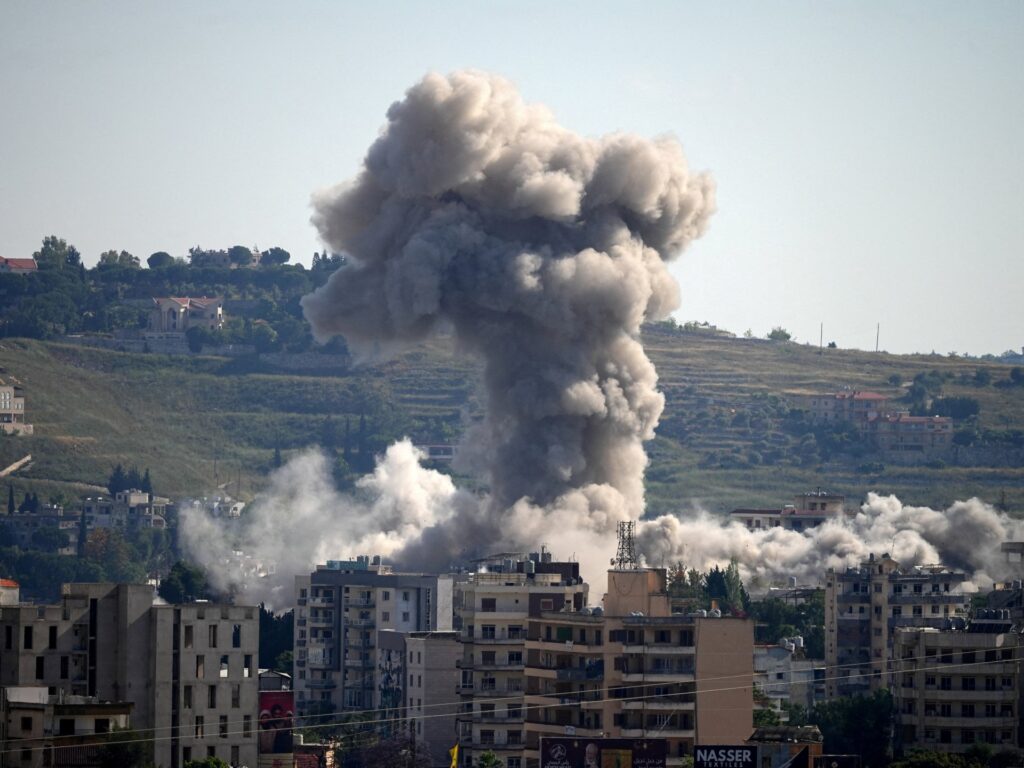
The conflict’s repercussions have prompted responses on the diplomatic front as well. France has formally requested an emergency meeting of the United Nations Security Council to address Israel’s military invasion of Lebanon. This action underscores growing concerns about the spread of hostilities and the need for collective international intervention.
Amid these developments, Iran has stated that it continues to engage in talks with the United States. The nature and status of these discussions remain somewhat opaque, but they suggest ongoing efforts to manage and possibly de-escalate wider tensions in the region.
The combination of military strikes, reported attacks, and diplomatic engagements points to a complex and highly volatile situation. The US bombings in Qeshm and Goruk indicate a direct escalation, while Kuwait’s missile and drone incidents reveal vulnerabilities and risks to civilian areas.
France’s appeal for a UN Security Council meeting highlights the international community’s concern regarding the conflict’s potential to spiral out of control. The meeting aims to discuss Israel’s actions in Lebanon, a critical component of the wider regional tensions involving multiple states and non-state actors.
Iran’s ongoing dialogue with the US presents a somewhat hopeful avenue for reducing tensions, though it exists against the backdrop of active military confrontations. The interplay between diplomacy and military actions will likely shape the immediate future of the Middle East’s security environment.
This situation is of immense geopolitical importance, as the Middle East is a nexus of global energy resources, strategic military locations, and complex international alliances. The unfolding conflict affects not only the directly involved nations but also the broader international community.
In conclusion, as the US continues its military campaign in Iranian territories and Kuwait faces aerial attacks, urgent diplomatic interventions are sought. The UN Security Council’s forthcoming discussions, coupled with the Iran-US talks, may determine whether escalation can be curbed or if the region will face prolonged conflict and instability.