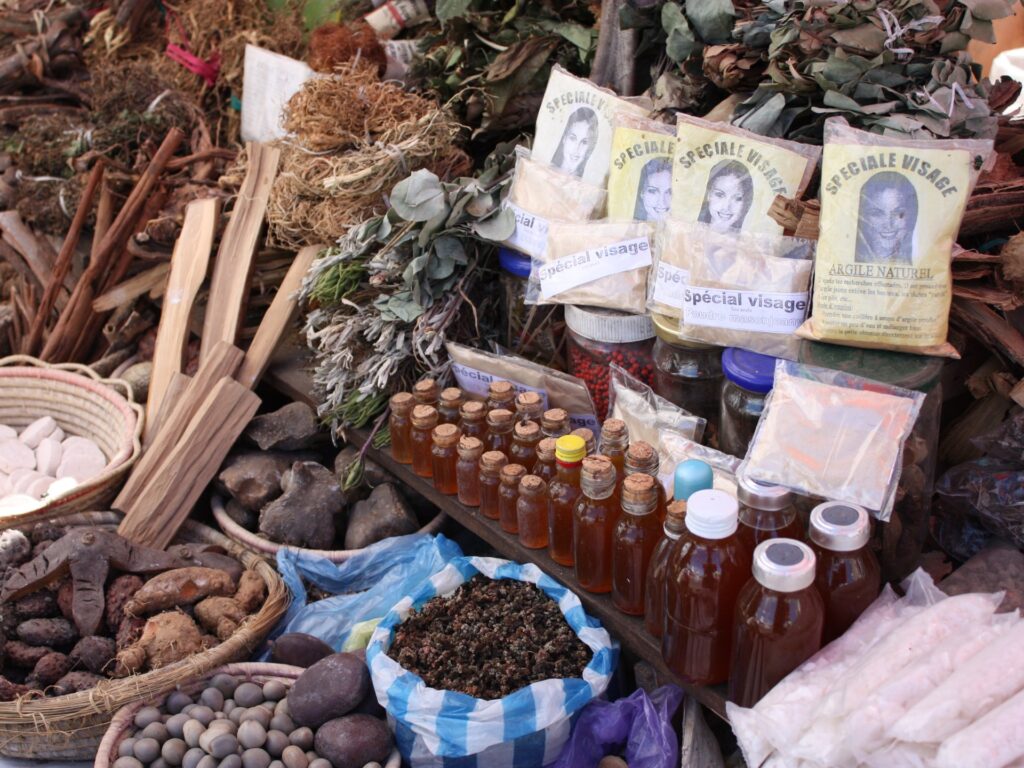
In recent years, Nigeria has witnessed a burgeoning trend characterized as an ‘algorithmic apothecary,’ where unverified herbal remedies are broadly promoted across social media platforms. This phenomenon, propelled by the widespread use of digital technology and social networking, has led to a significant surge in the use of these herbal treatments, often bypassing traditional medical consultation and verification processes.
These herbal remedies, touted as cure-alls for various ailments, including chronic and acute conditions, are frequently advertised by influencers and informal distributors with little to no scientific backing. The convenience of digital access, coupled with persuasive marketing algorithms, ensures that such content reaches vast audiences, effectively normalizing and popularizing their use among Nigerians seeking affordable and accessible healthcare solutions.
However, this rise in popularity has not come without cost. Health experts warn that many of these herbal concoctions pose considerable risks to users, ranging from mild side effects to severe health complications. The absence of rigorous clinical trials and quality control means safety and efficacy are largely unknown, increasing the likelihood of adverse reactions.
Moreover, reliance on these unverified remedies often results in delayed access to professional medical treatment. Patients may opt to self-medicate with herbal cures initially, only seeking hospital care when conditions worsen, thereby complicating diagnoses and treatment outcomes. This delay exacerbates health problems, putting additional strain on the Nigerian healthcare system.
The phenomenon is further complicated by the socio-economic landscape. For many Nigerians, especially in underserved rural areas, traditional healthcare facilities are either inaccessible or unaffordable. This situation creates a fertile ground for herbal remedy promotion as people turn to readily available online options.
Health authorities in Nigeria face a daunting challenge in countering the spread of misinformation about these herbal products. Efforts to regulate herbal medicines are hindered by the sheer volume of unregulated sales channels online and the rapid evolution of digital marketing tactics.
Educational campaigns aimed at informing the public about the risks associated with unverified herbal remedies are crucial. Promoting awareness about the importance of evidence-based medicine and encouraging people to seek timely medical advice can hopefully reduce the dangers posed by the algorithmic apothecary.
In summary, Nigeria’s ‘algorithmic apothecary’ reflects a complex interplay between technology, healthcare access, and cultural beliefs. While digital platforms have democratized information, they also facilitate the spread of potentially dangerous health practices. Addressing this issue demands coordinated actions involving healthcare professionals, policymakers, digital platform regulators, and community leaders to ensure that public health is safeguarded against the risks of unverified herbal cures.