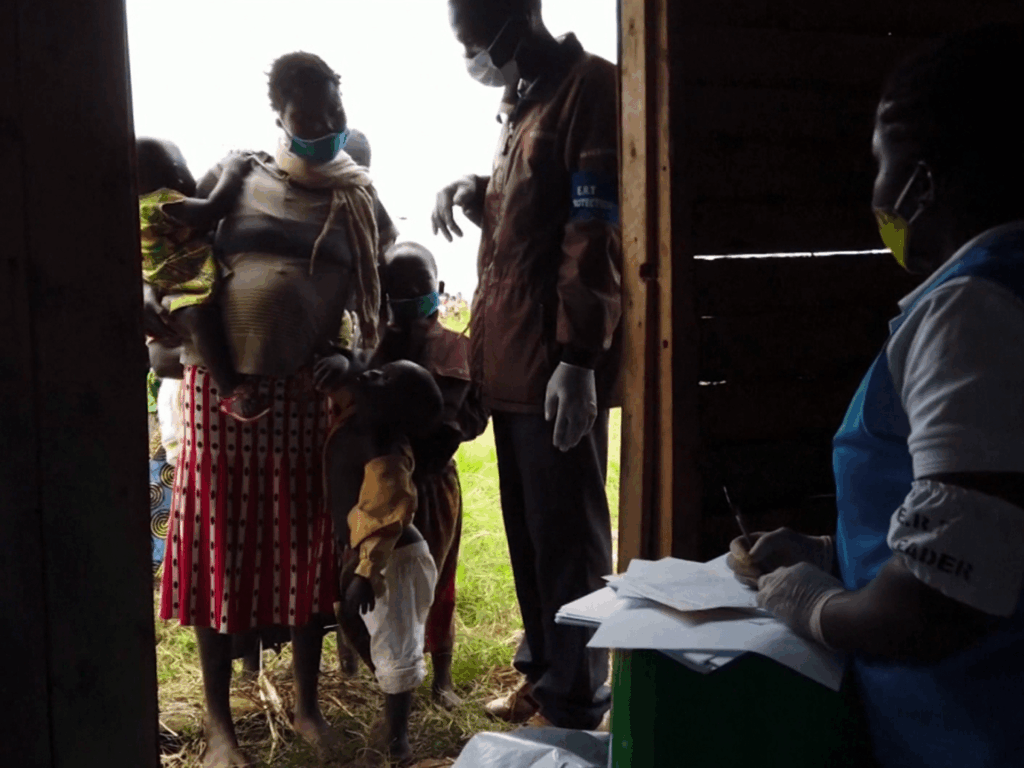
The Democratic Republic of Congo (DRC) is currently grappling with a severe Ebola outbreak that has disproportionately affected women across the country. As the epidemic unfolds, evidence shows that women bear the primary burden of the health crisis, facing unique vulnerabilities and challenges that exacerbate their risk and suffering.
Ebola virus disease (EVD) is a highly contagious and often fatal illness, transmitted through direct contact with bodily fluids of infected individuals or contaminated surfaces. In the DRC, traditional caregiving roles, social norms, and economic responsibilities place women at increased risk of exposure.
Women commonly serve as caregivers for sick family members, which brings them into close and frequent contact with Ebola patients. This role makes them more susceptible to contracting the virus, as caregiving often involves handling bodily fluids without adequate protective equipment or knowledge of safe practices.
Moreover, many women participate in burial rites and rituals, involving the washing and preparation of the deceased. These practices, while culturally significant, have been identified as high-risk activities for Ebola transmission. Consequently, women who perform these duties have experienced higher rates of infection.
Healthcare workers, predominantly women in nursing and support roles, have also faced considerable risk. Inadequate resources, insufficient training, and overburdened facilities have contributed to heightened exposure for female healthcare staff during the outbreak.
The outbreak has disrupted the social fabric and economic stability of affected communities, placing additional strains on women. Loss of income, increased caregiving demands, and the stigma associated with Ebola have compounded the challenges faced by women, often limiting their access to essential services and support.
Efforts to curb the outbreak have included vaccination campaigns, community education, and improved healthcare infrastructure. However, to effectively address the gendered impact of Ebola, response strategies must prioritize the needs and safety of women.
Advocates call for targeted interventions such as distributing protective equipment for caregivers, promoting gender-sensitive health education, and implementing psychosocial support tailored for women. Addressing cultural practices with community leaders to adapt rituals safely is also critical.
International organizations, governments, and NGOs working in the region emphasize that empowering women and involving them in outbreak response planning enhances the effectiveness of interventions and promotes community resilience.
The DRC Ebola outbreak underscores the importance of recognizing and addressing the gender dimensions of public health crises. Protecting women not only curtails the spread of disease but also fosters recovery and sustainable development in affected communities.