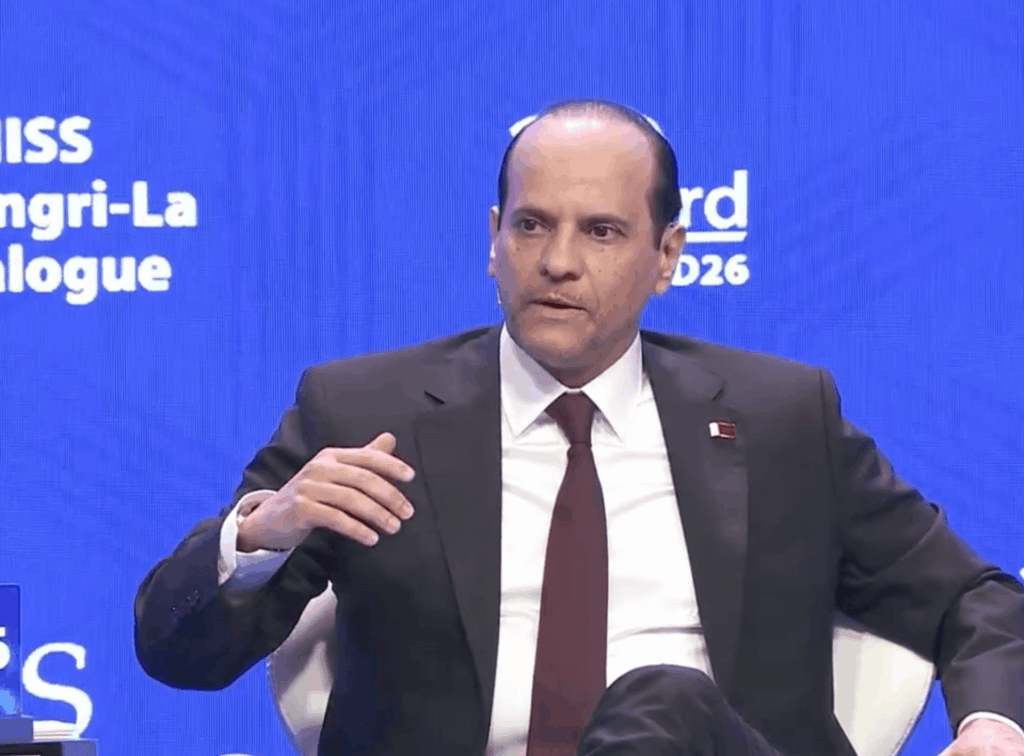
Qatar has made a noteworthy statement regarding the imposition of toll charges in the strategically critical Strait of Hormuz, a vital waterway for the global oil trade. The country has rejected the implementation of a fixed set toll, instead referring to any charges as ‘temporary’ and open for negotiation.
The Strait of Hormuz, connecting the Persian Gulf with the Gulf of Oman and the Arabian Sea, serves as a crucial maritime passage for approximately a third of the world’s traded oil. Given its geopolitical sensitivity and the heavy volume of energy resources channeled through it, any policy changes in this region have far-reaching implications for global energy markets and international relations.
Qatar’s announcement underscores their stance that any tolls levied in the strait should not be permanent or inflexible but adaptable depending on political and economic circumstances. By labeling the charges as negotiable, Qatar signals to other nations and stakeholders that a cooperative approach may be necessary to handle navigation fees, potentially preventing conflict or tension over maritime passage rights.
This position could be interpreted as Qatar seeking to balance its national interests with regional stability and international maritime law principles, which advocate for free and safe passage through international waterways. Furthermore, making charges negotiable provides room for diplomatic dialogue, enabling involved parties to reach consensus on fees or terms beneficial to all.
The move has also been seen as a message to other Gulf countries and global powers with vested interests in the safe transit of oil and goods through the Hormuz Strait. Given past volatility in the region, including blockades and military tension, Qatar’s call for negotiable tolls could act as a mitigating factor, easing fears of escalation over economic controls.
Stakeholders in the energy sector, security analysts, and international diplomacy observers will be closely monitoring how negotiations unfold and whether Qatar’s position influences broader regional agreements or unilateral actions by adjacent states.
In summary, Qatar’s rejection of a fixed toll and insistence on temporary, negotiable charges in the Strait of Hormuz highlight their approach to managing one of the world’s most sensitive maritime corridors. This development invites dialogue and potentially cooperative frameworks for managing navigation fees that could contribute to regional peace and the uninterrupted flow of global energy supplies.