Maltese citizens are heading to the polls in a significant early election, following a surprise call by Prime Minister Robert Abela. This snap election, announced abruptly, has stirred considerable political activity across the island nation. The decision to hold early elections typically indicates underlying political or strategic motives, such as reinforcing the governing party’s mandate or addressing pressing national issues.
Prime Minister Robert Abela’s move to call an early election has caught many by surprise, suggesting a dynamic shift in the Maltese political landscape. The elections will be closely watched both locally and internationally, as they could potentially reshape Malta’s political environment.
Malta’s electoral process engages its eligible citizens in choosing their representatives, with the polling stations set up across the country early in the morning. Voter turnout in Malta tends to be robust, reflecting the populace’s strong engagement with democratic processes.
The early election may serve as a referendum on Robert Abela’s leadership and the policies his administration has pursued since he took office. It could also reflect the government’s intent to consolidate power or respond to changing public sentiment.
Political analysts speculate that the election results may influence Malta’s domestic policies, including economic strategies, social reforms, and international relations. The governing party aims to secure a clear mandate to continue its legislative agenda.
Opposition parties have mobilized their campaigns rapidly, seeking to capitalize on the early election call to present themselves as viable alternatives. They have highlighted various issues, including economic priorities and governance transparency.
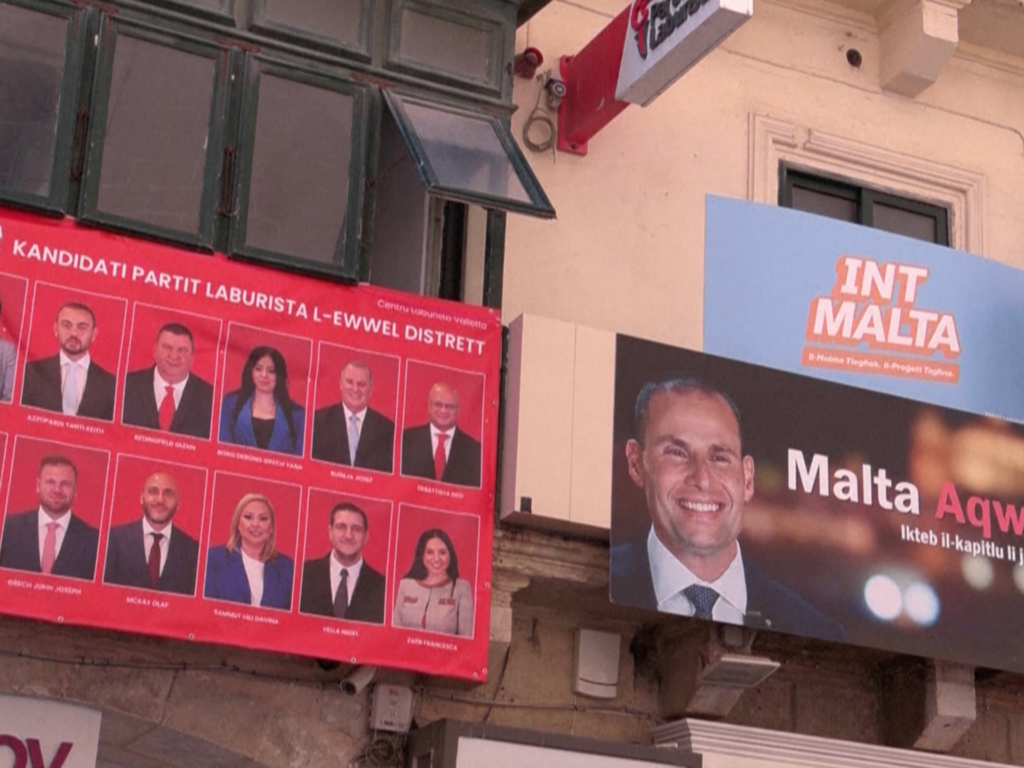
The Maltese press and media have extensively covered the election campaign, providing voters with a range of perspectives on candidate platforms and key national issues. Public debates, political advertisements, and opinion polls have been key features of the lead-up to the vote.
Social media platforms have also played a crucial role, enabling candidates and parties to engage directly with voters, especially among younger demographics. This election is seen as a litmus test for the effectiveness of digital campaigning techniques within Malta.
This early election is a critical juncture for Malta, possibly marking shifts in policies and leadership approaches. Observers note that the outcome could steer the country through a pivotal phase of governance and reform.
As results begin to come in post-election, parties will assess their political strength and strategize future moves. The election’s aftermath could lead to coalition talks or reinforce single-party governance, depending on the distribution of seats.
In conclusion, Malta’s premature return to the polls under Prime Minister Robert Abela’s directive signals a period of political reassessment and potential transformation. The Maltese populace exercises their democratic right with heightened anticipation, steering their nation’s course in the months ahead.