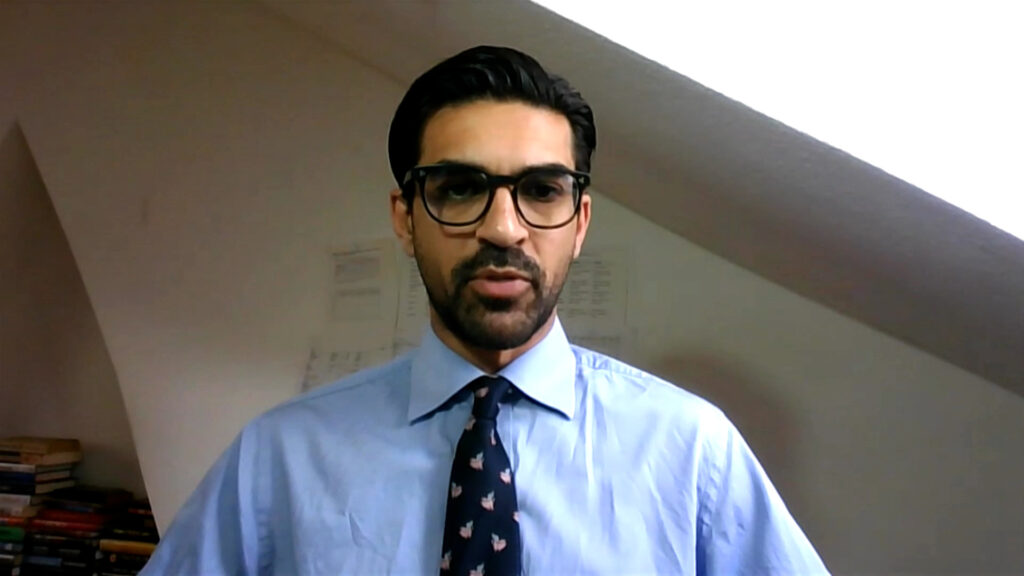
The recent framework proposed by President Donald Trump’s administration concerning Iran has met with considerable skepticism from international analysts and experts. One notable voice of doubt comes from analyst Alex Scheers, who has expressed reservations about the realism and feasibility of the framework as it currently stands. Scheers points out that the core issue lies in the lack of concrete measures or commitments that would make the framework achievable in practice. According to him, “nothing concrete is in place,” reflecting deep concerns about Tehran’s willingness to comply with Washington’s demands.
The Trump administration’s Iran framework aims to address longstanding issues related to Iran’s nuclear program, regional activities, and missile developments. However, the framework demands stringent conditions on Iran, including reductions in nuclear enrichment activities, limits on ballistic missile testing, and cessation of support for proxy groups in the Middle East. These demands represent a significant challenge for the Iranian government, which sees them as infringements on its sovereignty and rights as a nation.
Tehran’s position so far has been one of resistance. Iranian officials have reiterated their commitment to preserving their nuclear rights under international agreements and have often criticized U.S. policies as coercive and unjust. The framework, designed as a pathway to avoid escalating tensions and potential military conflicts, nevertheless faces hurdles that stem from mutual mistrust and conflicting interests.
Analysts like Scheers note that without clear, enforceable steps and diplomatic incentives, the framework risks being more symbolic than substantive. The absence of concrete mechanisms to monitor compliance, ensure verification, and provide reciprocal actions on sanctions relief or security guarantees, makes the framework vulnerable to breakdowns.
Furthermore, the geopolitical realities in the Middle East add layers of complexity. Iran’s regional influence, the roles of global powers like Russia and China, and ongoing conflicts in neighboring countries all complicate the implementation of any deal based on the current framework. Some experts argue that any successful agreement must consider a broader regional perspective, including the interests and security concerns of other countries in the area.
In conclusion, while the Trump administration has put forward an ambitious framework aimed at curbing Iran’s nuclear ambitions and regional influence, skepticism remains high. As Analyst Alex Scheers and others highlight, the lack of concrete measures and Tehran’s reluctance to accept the terms significantly limit the framework’s realism and chances of success. As diplomatic efforts continue, the international community watches closely, hoping for breakthroughs that can lead to a peaceful and stable resolution of the Iran issue.