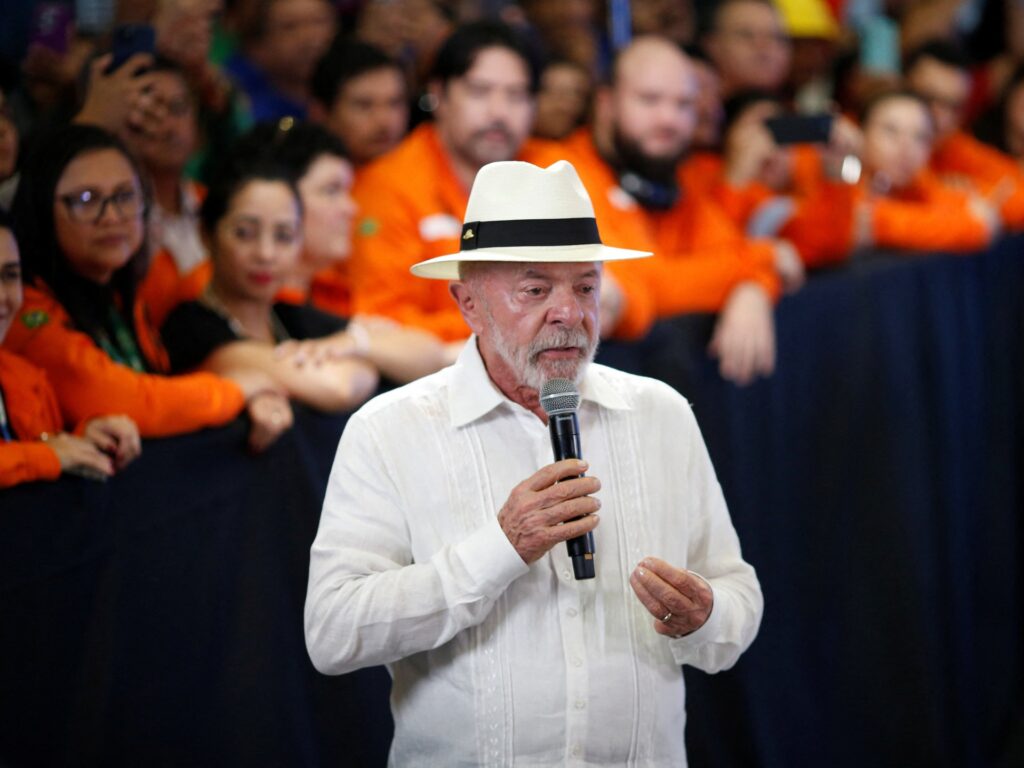
Brazilian President Luiz Inácio Lula da Silva has strongly criticized the United States government for labeling Brazil’s criminal gangs as ‘terrorists.’ He described the US designation as ‘arbitrary measures’ and warned that such labeling could undermine ongoing law enforcement efforts in Brazil.
President Lula emphasized that the US classification of these gangs as terror groups does not align with the realities of Brazil’s local security challenges. Instead, he argued that this approach risks complicating Brazil’s efforts to combat violent crime and organized criminal activity.
The US government’s move to categorize Brazilian gangs under the terrorism umbrella aims to reinforce international cooperation in tackling transnational crime, including drug trafficking and violent assaults. However, Lula’s administration fears that this decision could hinder Brazil’s sovereignty over its policing operations and legal frameworks.
Lula also stressed the importance of understanding the socio-economic roots behind gang violence in Brazil, underscoring that treating such groups as terrorists may lead to excessively militarized responses rather than comprehensive social policies that target poverty and inequality.
The Brazilian president pointed out that Brazil’s criminal justice system and law enforcement agencies are capable of addressing these issues within the country’s constitutional guidelines without external pressures dictating security strategies.
Experts have noted that while transnational criminal networks in Brazil engage in illegal activities that threaten public safety, labeling them as terrorist organizations could blur distinctions between criminal acts and politically motivated terrorism. Such distinctions are critical for appropriate law enforcement and judicial processes.
Lula’s criticism echoes concerns from human rights organizations that warn against the potential for misuse of anti-terrorism laws to suppress dissent and violate civil liberties.
In response, US officials argue that the terrorist designation is a strategic move to dismantle globally connected criminal networks and to facilitate international assistance and resource sharing.
The ongoing debate highlights the complex balance between international cooperation and national sovereignty in addressing crime and security threats.
As Brazil continues to face challenges with gang violence, the government under Lula advocates for solutions centered on social inclusion, economic development, and judicial reforms rather than solely relying on militarized or international terrorism frameworks.
This disagreement sets the stage for a broader dialogue on how best to combat organized crime in Latin America and how international policy classifications affect regional security policies.
The outcome of this debate may influence future US-Brazil cooperation and the international community’s approach to handling criminal organizations in emerging economies.
For now, President Lula remains firm in his stance that the US ‘terror’ label on Brazil’s gangs is counterproductive and risks undermining the delicate work being done by Brazilian institutions to restore peace and justice within the country.