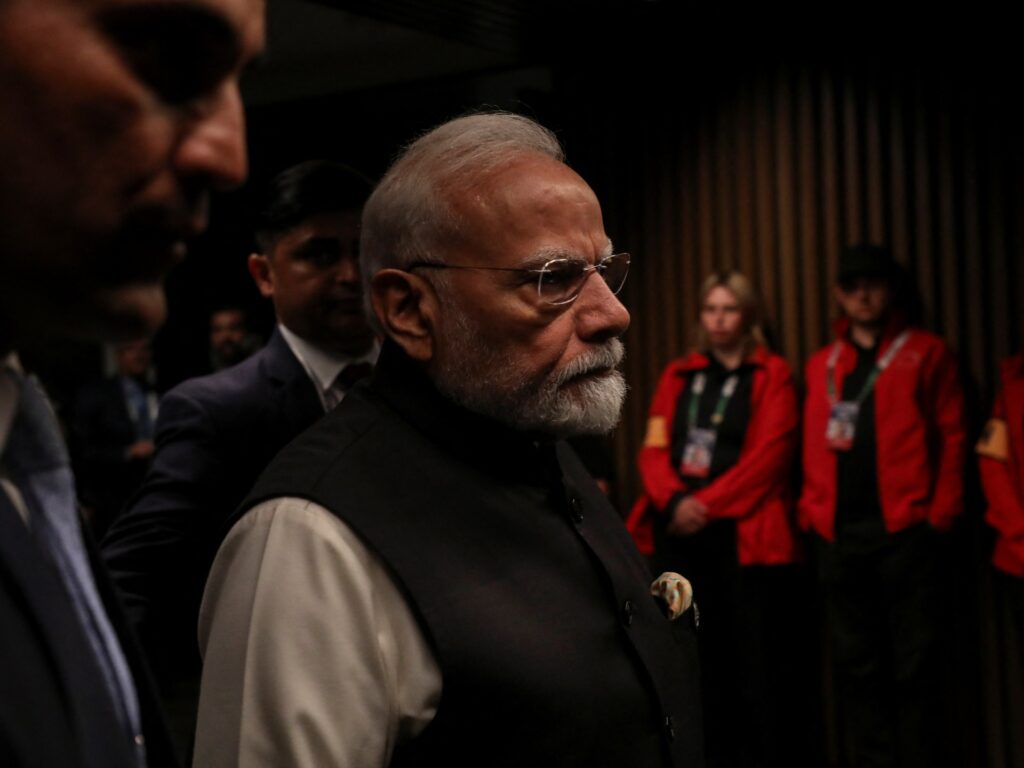
In recent years, Indian Prime Minister Narendra Modi has actively sought to isolate Pakistan on the international stage, particularly in response to issues related to terrorism and regional security. However, analysts now argue that these efforts have largely backfired, inadvertently placing Pakistan in a surprisingly favorable diplomatic position.
Initially, Modi’s foreign policy aggressively aimed at distancing global powers from Pakistan, hoping to limit Islamabad’s international support. The Indian government increased diplomatic pressure, leveraging global forums to portray Pakistan as a pariah state sponsoring terrorism. These moves were expected to restrict Pakistan’s diplomatic and economic engagements, thereby curtailing its influence.
Contrary to these intentions, Pakistan has managed to secure significant backing from influential global actors such as former US President Donald Trump and China. Trump’s administration, while critical of Pakistan’s role in terrorism, maintained an ambivalent stance, often engaging directly with Pakistani leadership to pursue strategic interests in the region. This dual approach allowed Pakistan to avoid complete diplomatic isolation.
China’s unwavering support for Pakistan, particularly through the China-Pakistan Economic Corridor (CPEC), has further bolstered Islamabad’s position. This massive infrastructure project ties Pakistan economically and strategically closer to China, providing Pakistan with substantial economic benefits and a powerful ally in international affairs.
Analysts point to several Indian missteps contributing to this diplomatic advantage for Pakistan. First, India’s overly aggressive diplomatic tactics have sometimes alienated potential allies and reduced sympathy for its cause, particularly among Western nations that value dialogue and multilateral engagement over confrontation.
Second, India’s strained relations with key global players, including the United States and China due to various geopolitical tensions, have hampered its ability to build a united front against Pakistan. In contrast, Pakistan has effectively capitalized on these tensions, positioning itself as a necessary partner in the complex geopolitical landscape.
Third, India’s domestic and regional policies, including the revocation of Kashmir’s autonomous status, have drawn international criticism. This controversy has diverted attention and concern away from Pakistan’s alleged sponsorship of terrorism, thereby undermining India’s moral high ground in this diplomatic contest.
Furthermore, Pakistan’s proactive diplomatic outreach, including efforts to improve relations with Gulf countries and leveraging its strategic position in South Asia, has enhanced its global standing. These initiatives have created new alliances and diluted the impact of India’s diplomatic campaign.
In summary, while Modi’s attempts were designed to isolate Pakistan diplomatically, the outcome has been quite the opposite. Pakistan’s diplomatic sweet spot, buoyed by pragmatic alliances with Trump and China, marks a complex geopolitical reality. India’s perceived missteps in foreign diplomacy, coupled with evolving regional dynamics, have allowed Pakistan to emerge from attempts at isolation with renewed diplomatic vigor.
This development underscores the intricate nature of South Asian geopolitics, where diplomatic strategies often yield unexpected consequences, and where alliances shift based on broader international interests rather than bilateral disagreements alone.