In a significant move reflecting escalating security concerns, the United States government has announced its intention to designate two notorious Brazilian gangs as terrorist organizations. This decision marks a strategic shift in the US approach to combating crime and drug trafficking in Latin America, particularly in Brazil, where gang violence and narcotics trade continue to destabilize communities and threaten regional stability.
The announcement comes amid broader efforts by the Trump administration to increase US military and strategic influence across Latin America. By labeling these gangs as terrorist entities, the US intends to enhance its legal and operational capacities to disrupt their criminal networks, curtail their financial resources, and promote cooperation with regional partners.
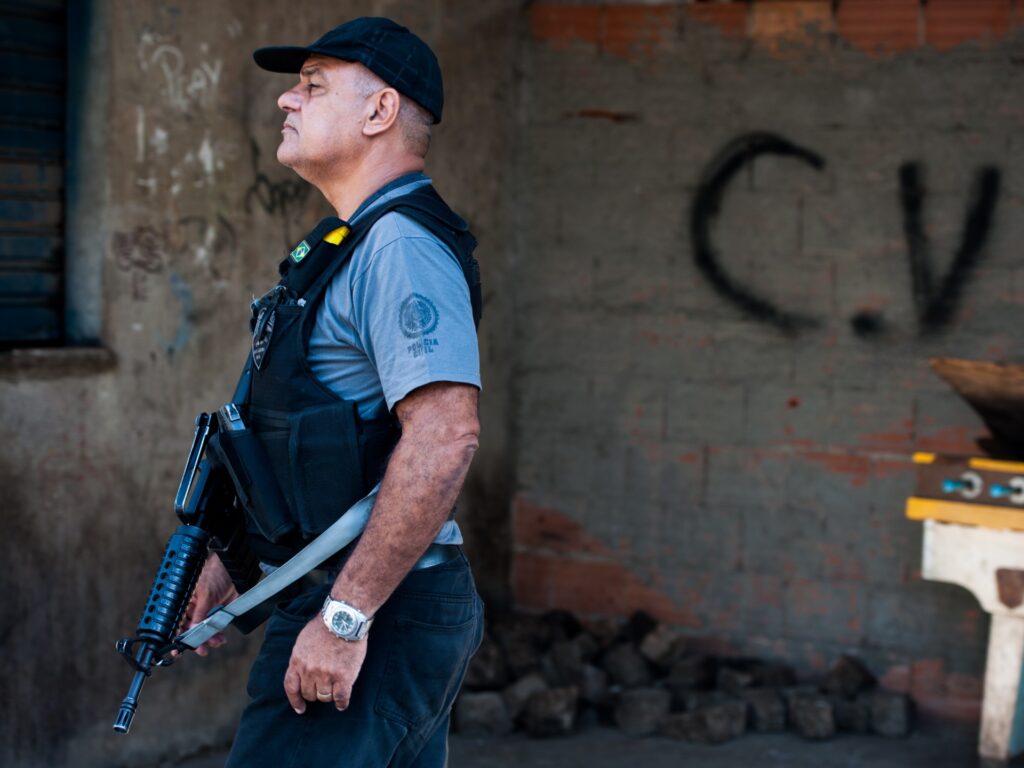
These Brazilian gangs, known for their involvement in drug trafficking, extortion, and violent crime, have long been a challenge for local authorities. Their activities not only exacerbate violence in Brazilian cities but also contribute to the transnational drug trade that fuels addiction and violence worldwide.
The designation as terrorist organizations will enable US agencies to apply stricter sanctions and use counterterrorism tools against these groups. This includes freezing assets, imposing travel bans on their members, and increasing intelligence sharing with Brazilian law enforcement.
Critics, however, caution that the move could complicate diplomatic relations and question whether this approach might militarize the drug enforcement efforts further, potentially undermining community-centric strategies aimed at addressing the root causes of gang violence.
Supporters argue that the designation is necessary given the gangs’ impact on public safety and regional security, framing the fight against crime and narcotics trafficking as integral to national and hemispheric defense.
Beyond the immediate operational benefits, this policy underscores the Trump administration’s broader strategy to counteract the influence of non-state actors and criminal organizations that exploit porous borders and weak governance in Latin America.
Analysts observe that this approach aligns with a historical pattern where the US links crime, drug trafficking, and terrorism to justify increased military presence and interventionist policies in the region.
Brazilian officials have expressed both concern and cautious optimism. While welcoming US support in tackling organized crime, there is a shared emphasis on the importance of respecting national sovereignty and focusing on holistic measures that combine law enforcement, social programs, and economic development.
The designation is expected to spur deeper bilateral cooperation and could lead to intensified joint operations targeting key gang nodes and drug corridors.
This development is part of a larger narrative wherein the US seeks to reassert its influence in Latin America amid growing challenges from other global powers and persistent regional instability.
Overall, the US decision to brand two Brazilian gangs as terrorist organizations represents a pivotal moment in the American approach to combating crime and drugs across Latin America, emphasizing a more militarized and security-focused strategy that could reshape the dynamics of regional cooperation and conflict management for years to come.