On the 90th day of the ongoing conflict involving Iran, tensions have sharply escalated in the strategic Strait of Hormuz following a new set of strikes launched by the United States near Bandar Abbas. This development marks a significant intensification in the prolonged regional standoff that has drawn global attention.
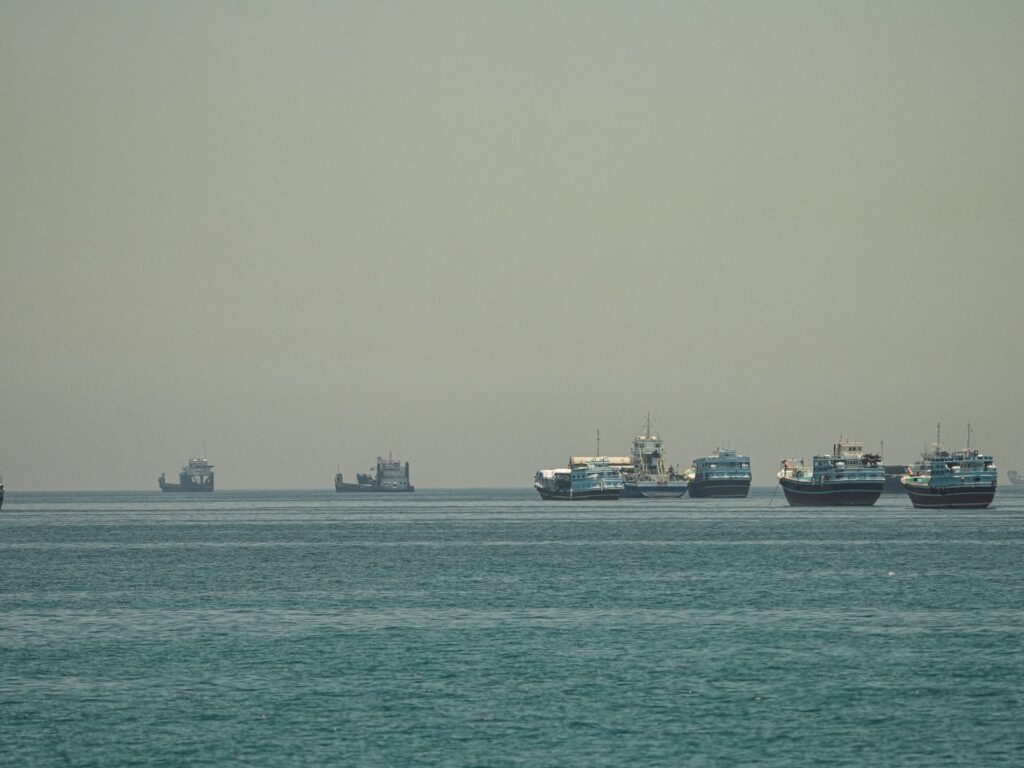
The US military conducted a series of precision strikes targeting locations close to Bandar Abbas, a critical port city in southern Iran that lies near the mouth of the Strait of Hormuz. This narrow passage is one of the world’s most important maritime chokepoints, through which roughly a fifth of all global oil passes. The increased military activity in this area underscores the high stakes involved for regional and international security.
Iranian officials have responded to the US strikes by stating that there were no casualties or damage resulting from the attacks. Despite this claim, the situation remains highly volatile, with the potential for further military escalation if diplomatic efforts do not gain traction.
The strike is perceived by experts as a strategic move by the United States to exert pressure on Iran’s military capabilities and to safeguard freedom of navigation in the Strait, which is vital for the world’s energy supplies. It comes amid Syria war dynamics, Iran’s nuclear program concerns, and ongoing regional power struggles.
This latest military engagement follows weeks of heightened rhetoric and naval encounters in the Gulf, including incidents involving suspected attacks on vessels linked to both Iranian and Western interests. The US has consistently expressed concerns over Iran’s rapid military developments and its influence in neighboring countries.
International communities, including the United Nations and European nations, have urged for restraint and dialogue to prevent any further deterioration of peace in the region. However, with both sides showing signs of steadfastness, the conflict’s trajectory remains uncertain.
In Bandar Abbas, the local population is reported to be on high alert, with authorities increasing security measures to prepare for any possible retaliatory actions. The economic implications of disruption in the Strait of Hormuz also pose a significant threat, as global markets are highly sensitive to any instability affecting energy shipments.
The US administration has framed the strikes as a defensive necessity, aiming to counter threats while avoiding large-scale conflict. Meanwhile, Iran continues to assert its sovereignty and readiness to defend its territory and interests.
Analysts warn that the continued conflict could have far-reaching consequences beyond the immediate region, potentially impacting global energy supplies, international shipping routes, and geopolitical alignments.
As the situation unfolds, the international community watches closely, hoping for diplomatic breakthroughs that could de-escalate the military tensions and lead to sustainable peace arrangements. For now, Day 90 of the Iran conflict signals a critical and precarious phase, with the risk of further confrontations looming large in the Strait of Hormuz.