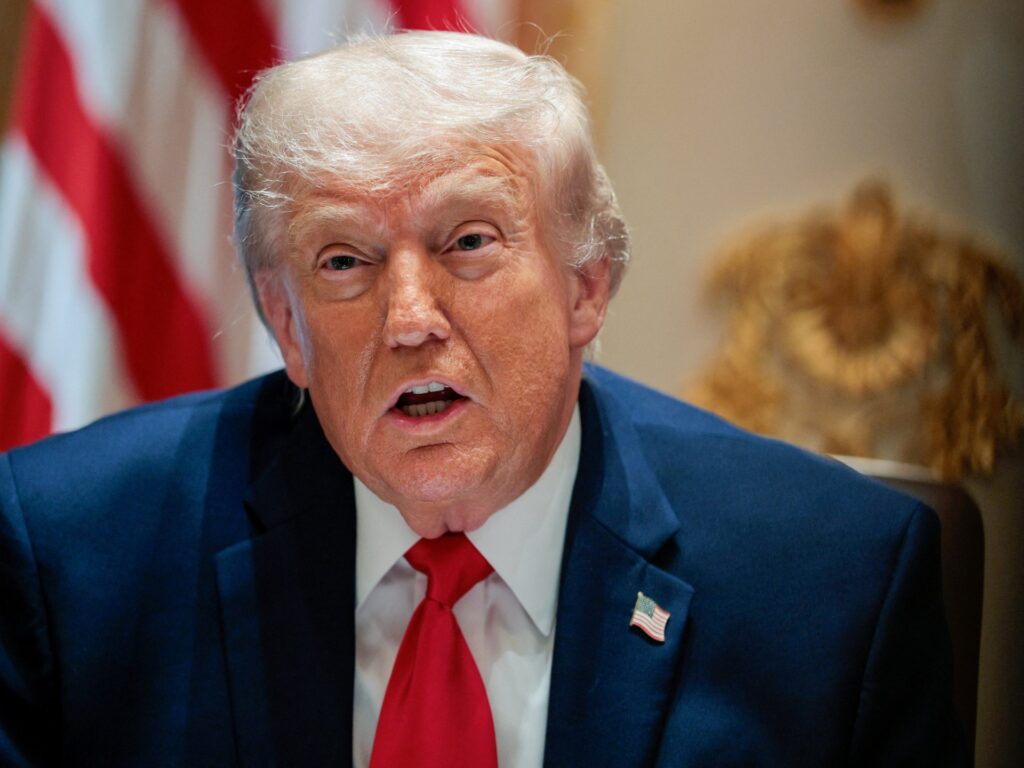
In a recent and controversial statement, US President Donald Trump appeared to threaten Oman over an ongoing impasse related to the strategic Strait of Hormuz. The Strait of Hormuz is a critical maritime chokepoint through which a significant portion of the world’s oil supply passes, making it a focal point of geopolitical tension.
Trump’s warning to Oman, a US ally in the region, was stark and alarming. He said Oman “will behave just like everybody else, or we will have to blow them up.” This remark has raised eyebrows among international diplomats, analysts, and leaders who view it as unusually aggressive rhetoric from a sitting US president.
Oman’s role in the Strait of Hormuz has traditionally been one of mediation and maintaining navigational freedom, a critical factor for global energy supplies and regional stability. The country has generally avoided taking sides in the heightened rivalries and has sought to maintain peaceful relations with all parties involved.
The impasse in the Strait has involved increased tensions between the US and Iran, with both countries accusing each other of hostile activities such as seizing vessels and conducting aggressive naval maneuvers. Oman, sharing a strategic position on the strait, has been pushed into a complex position due to the escalating conflict.
The international community is watching closely as the Strait of Hormuz remains a potential flashpoint that could disrupt global economic stability given its significance in global oil transit. Trump’s statement has added pressure and raised concerns about the potential for military confrontations in the region.
Experts note that aggressive language such as Trump’s could complicate diplomatic efforts aimed at de-escalating tensions. Oman has not publicly responded to the statement, but it is expected that the country will seek to engage with both the US and regional players to manage the crisis and protect its national interests.
The situation highlights the fragile balance of power in the Persian Gulf region, where multiple actors with divergent interests intersect. The Strait of Hormuz’s security remains paramount not only for the countries involved but also for the broader international economic system dependent on uninterrupted energy supplies.
As the standoff continues, calls from international organizations and various governments for peaceful dialogue and restraint are growing louder. The hope is that diplomacy will prevail to avoid any military conflict that could elevate tensions and disrupt the global energy market.
In summary, President Trump’s threat towards Oman marks an escalation in the rhetoric surrounding the Strait of Hormuz issue, underscoring the complexities of regional politics and the critical nature of this maritime passage. The world remains attentive to developments, with the ultimate goal of securing peace and stability in this volatile area.