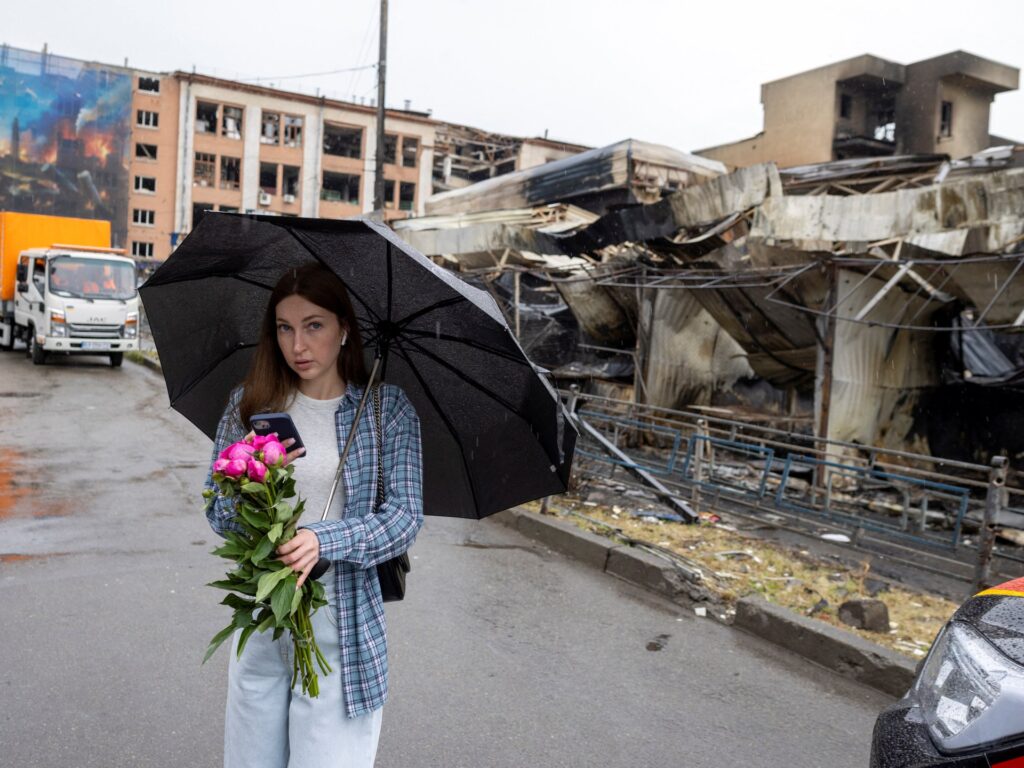
In response to escalating threats against Kyiv, European Union member states have taken the significant step of summoning Russian envoys to express their collective anger and concern. This diplomatic move emphasizes the growing tension between Russia and the EU, as the situation in Ukraine continues to deteriorate amidst fears of renewed conflict.
The EU’s condemnation of the threats comes at a time when negotiations for peace seem both urgent and complex. Russian President Vladimir Putin has recently shifted his stance, indicating a willingness to accept Brussels as a mediator for a ceasefire. However, this apparent openness has not yet translated into tangible progress on the ground.
Several EU states have expressed skepticism regarding the effectiveness of diplomacy under current circumstances, noting that anger and mistrust may hamper negotiations rather than facilitate them. Despite this, the willingness of Putin to entertain EU mediation introduces a potentially crucial avenue for dialogue aimed at de-escalation.
The summoning of the envoys serves as both a protest and a strategic signal. EU countries want to underscore their disapproval of Russia’s aggressive posture while signaling their readiness to engage diplomatically if conditions allow. This delicate balance reflects the wider geopolitical stakes involved, as the EU navigates complex relationships with both Russia and Ukraine.
Experts suggest that the EU’s position is one of cautious engagement. While condemning the threats made against Kyiv, Brussels remains committed to pursuing a peaceful resolution through dialogue. The current crisis underscores the challenges faced by international diplomacy when conflicting interests and security concerns are deeply entrenched.
Furthermore, the situation has significant implications for regional stability and international security. The EU’s collective response aims to deter further aggression while also safeguarding the principles of sovereignty and territorial integrity.
As the crisis unfolds, the world watches closely to see if Putin’s acceptance of EU mediation will materialize into effective negotiations. The successful brokering of a ceasefire could mark a turning point, but the path to peace remains fraught with uncertainty.
In conclusion, the summoning of Russian envoys by EU states represents a pivotal moment in ongoing diplomatic efforts to address the Kyiv threat. While anger prevails, there is tempered hope that dialogue, facilitated by the EU, may yet lead to a ceasefire and reduce tensions in the region. The coming weeks will be critical in determining whether diplomacy can overcome the deep divisions and fears that currently define the conflict.