Zimbabwe is currently grappling with a sharp increase in malaria cases, a situation that has highlighted the fragility of its healthcare system and the critical shortages of treatments, especially in rural communities. This resurgence of malaria poses a severe public health challenge amid ongoing cuts in international aid and the adverse effects of climate change.
Malaria, a mosquito-borne infectious disease, has long been a health threat in Zimbabwe. However, recent trends indicate an alarming surge. Health officials attribute this rise to multiple converging factors that undermine control efforts and expand the disease’s reach.
One of the primary contributors to the escalating malaria situation is the substantial reduction in aid from global health organizations and donor countries. Over the past few years, funding specifically targeted at malaria prevention and treatment programs has been slashed due to shifting priorities and economic constraints faced by donor nations and agencies. These financial cuts have severely hampered Zimbabwe’s ability to maintain adequate supplies of anti-malarial medicines, insecticide-treated nets, and other critical resources.
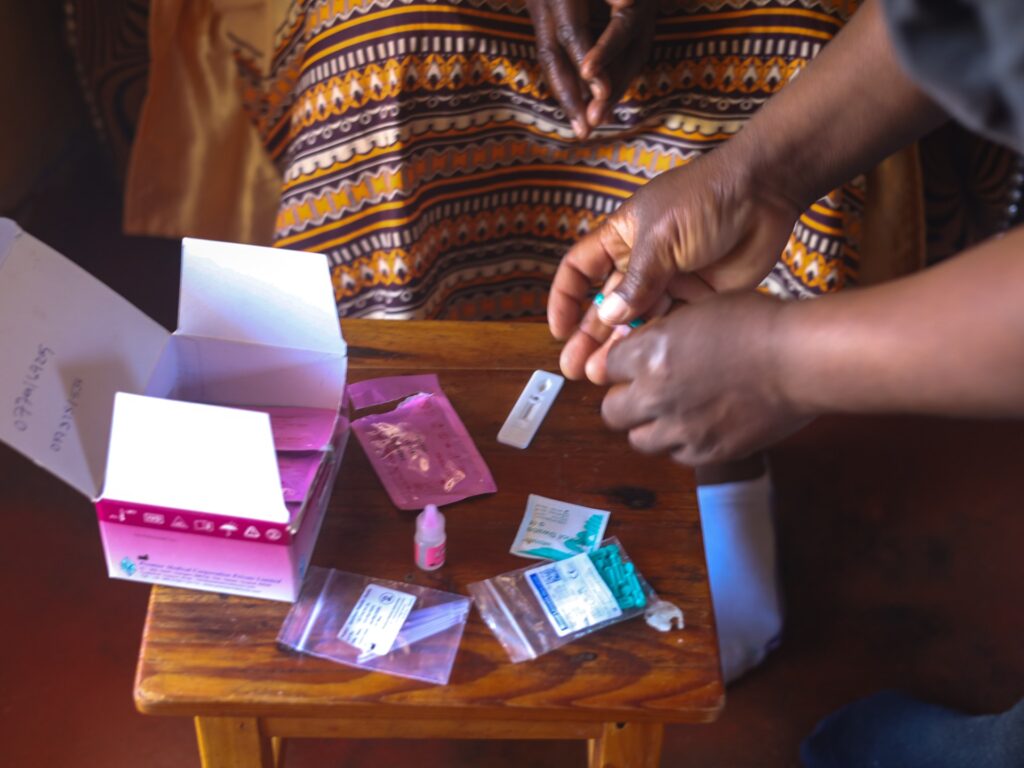
Simultaneously, Zimbabwe’s rural health infrastructure, already under strain, struggles to cope with the increased demand for care. Many rural clinics lack essential diagnostic tools and effective medication, leaving vulnerable populations exposed. Health workers report frequent stockouts of vital drugs and diagnostic kits, impeding timely and accurate diagnoses and treatment.
Climate change further compounds the issue by altering weather patterns and creating conditions more favorable for mosquito breeding. Increased rainfall and higher temperatures have expanded mosquito habitats, leading to prolonged transmission seasons and a higher number of infection cases. This environmental shift poses significant challenges for malaria control programs designed for previous climate norms.
Community leaders and public health experts warn that if interventions are not promptly scaled up, the malaria surge could reverse years of progress made in reducing morbidity and mortality linked to the disease.
Efforts to combat malaria in Zimbabwe have traditionally included comprehensive distribution of insecticide-treated bed nets, indoor residual spraying, public health education campaigns, and the provision of effective anti-malarial treatments. However, with limited funding and resources, these programs face significant setbacks.
Furthermore, the current economic situation in Zimbabwe exacerbates the health crisis. Insufficient government funding, inflation, and logistical difficulties contribute to poor supply chain management of medical goods, leaving many health facilities ill-equipped.
The World Health Organization and other international partners have underscored the importance of restoring investment in malaria control to prevent widespread outbreaks. They encourage donor countries to sustain or increase aid, emphasizing that malaria is a preventable and treatable disease when adequate resources are available.
Meanwhile, local communities are urged to adopt preventive measures such as eliminating standing water where mosquitoes breed, enhancing use of bed nets, and seeking early medical care when symptoms arise.
This surge in malaria cases serves as a stark reminder of the interconnectedness of global funding priorities, environmental change, and health outcomes. It highlights the urgency of integrated and sustained efforts to safeguard vulnerable populations in Zimbabwe and other similarly affected regions.
As Zimbabwe confronts this malaria challenge, there is a clear need for coordinated action from international donors, national authorities, health workers, and communities. Strengthened funding, innovative healthcare delivery approaches, and climate adaptation strategies will be crucial in mitigating the malaria surge and protecting public health in the face of emerging threats.