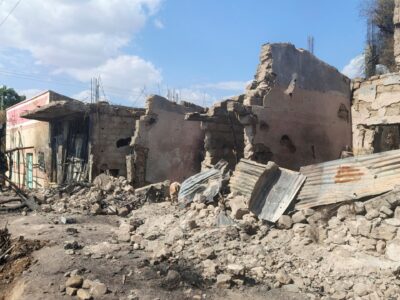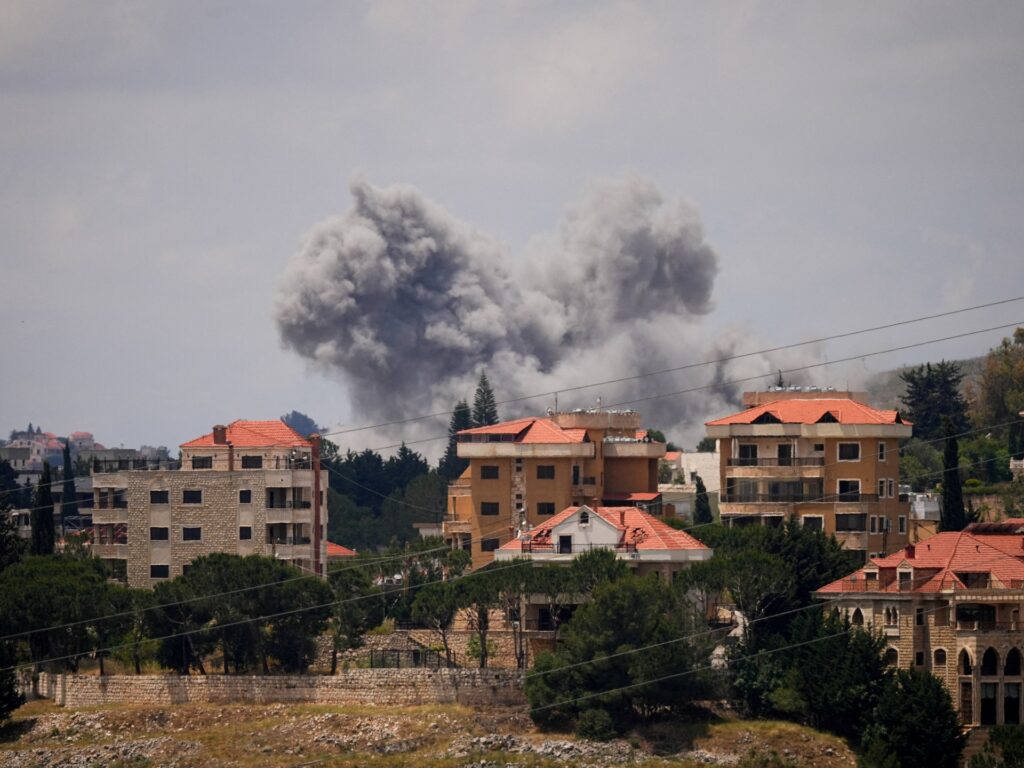
The ongoing conflict involving Iran has escalated with significant developments on multiple fronts. Recently, the United States conducted airstrikes targeting southern Iran, intensifying the already volatile situation in the region. These strikes mark a significant military action aimed at responding to or preempting perceived threats from Iranian territory.
Concurrently, diplomatic efforts are underway with officials from Tehran traveling to Qatar to engage in talks. These discussions are seen as a vital attempt to de-escalate tensions and explore potential pathways to conflict resolution amid the increasing hostilities.
In an important domestic development, Iran’s President Masoud Pezeshkian has issued an order to restore internet services across the country after months of restricted access. The internet blockade had caused widespread disruptions to communication, commerce, and everyday life, with many speculating it was a measure to control information flow during unrest.
The restoration of internet access may signal a shift in the government’s approach towards internal stability and public interaction, possibly related to the recent diplomatic engagements and military pressures. Access to the internet is crucial for citizens and businesses, and its reinstatement is likely to have significant social and economic impacts.
These parallel developments—military action, diplomatic talks, and domestic policy changes—highlight the complex and multifaceted nature of the conflict involving Iran. The international community watches closely as the situation unfolds, recognizing that the outcomes will have broad implications for regional and global stability.
The US strikes in southern Iran have reportedly targeted several strategic sites, although full details remain classified. Analysts suggest that these targets may involve military installations or infrastructure linked to Iran’s activities in the region. The strikes are expected to provoke strong reactions from Tehran, potentially influencing the tenor of the ongoing talks in Qatar.
Meanwhile, the dialogue in Qatar involves high-ranking Iranian officials who aim to present their perspective and negotiate potential ceasefire or conflict mitigation measures. Qatar’s role as a neutral mediator is critical in facilitating these discussions, offering a platform for communication between conflicting parties.
The internet restoration is timely, coinciding with these diplomatic efforts, possibly to allow better communication and coordination both within Iran and internationally. It may also reflect a concession to internal demands after months of hardship caused by connectivity restrictions.
As the situation develops, experts and analysts are monitoring key indicators such as further military movements, the progress of talks in Qatar, and the effects of renewed internet access in Iran. The balance between military action and diplomatic negotiation remains delicate, with each side seeking leverage over the other.
This complex scenario underscores the ongoing challenges in the Iran conflict, where geopolitical interests, domestic pressures, and international diplomacy intersect. The resolution or further escalation of this conflict will significantly impact the Middle East’s future security landscape.
Citizens in Iran and observers worldwide remain hopeful for a peaceful resolution, even as on-the-ground realities suggest a multifaceted battle involving both hard power and dialogue. The coming weeks will be critical in determining whether these efforts lead to de-escalation or an escalation of hostilities.