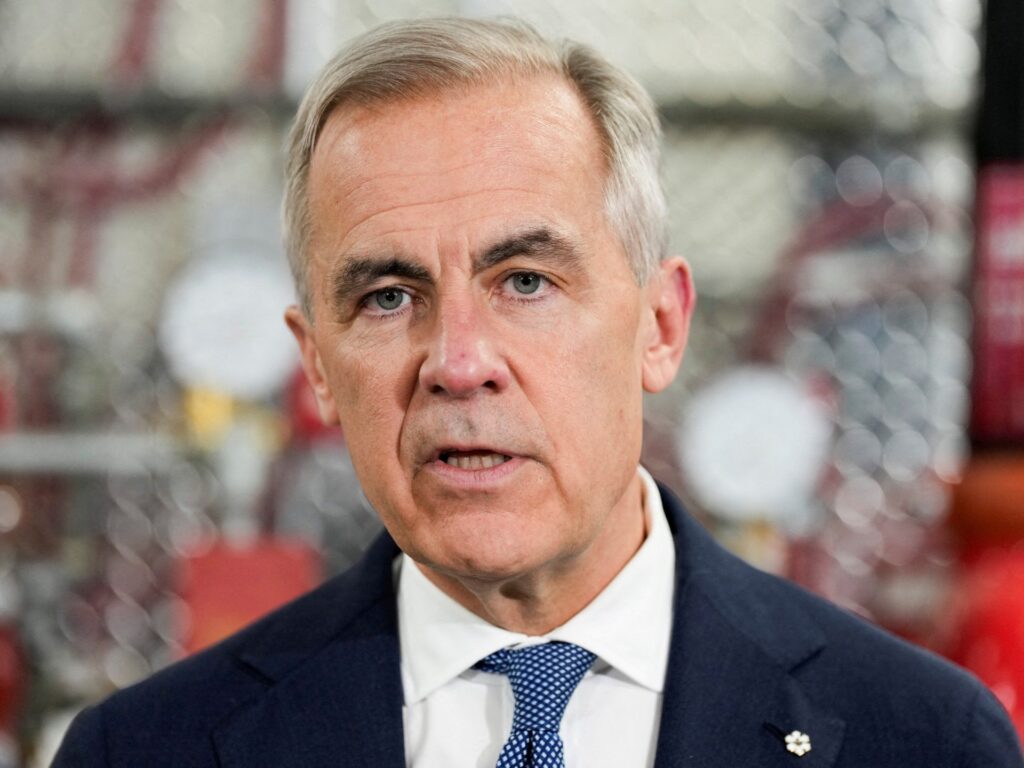
Canada’s Mark Carney, a prominent figure and former Governor of the Bank of England, has publicly condemned the treatment of activists involved in the Gaza flotilla incident, describing it as ‘appalling.’ This flotilla, comprising activists aiming to deliver aid to Gaza, was intercepted and faced harsh actions that sparked international controversy.
Carney’s statement highlights growing concerns over human rights and the treatment of humanitarian missions attempting to reach Gaza. While calling for a thorough and independent investigation into the conduct of Israeli forces, Carney stopped short of advocating for specific penalties or sanctions against Israel.
The Gaza flotilla incident has intensified debates on the restrictions imposed by Israel on Gaza and the legality of the blockades. Activists who participated in the flotilla claim they were met with aggression and violations of their rights, prompting calls from various international actors for accountability.
Mark Carney emphasized the importance of an impartial inquiry to uncover the facts surrounding the flotilla’s interception and to ensure that all parties adhere to international standards of human rights and maritime law.
Despite the strong wording of his condemnation, Carney’s stance reflects a cautious approach in balancing international diplomacy and human rights advocacy. The call for an investigation aligns with multilateral efforts to address the situation without escalating tensions.
His comments contribute to the wider conversation about the humanitarian situation in Gaza and the political complexities involving Israel and the international community. The incident underscores the challenges faced by aid organizations and the activists committed to delivering relief in conflict zones.
The international community is watching closely as the request for an independent investigation could lead to more detailed scrutiny of the events, potentially shaping future policy and engagement related to Gaza.
Canada’s position, as expressed by Carney, may influence other countries to adopt similar calls for transparency and accountability, while urging restraint amid ongoing regional conflict.
This development continues to fuel the discussion about the rights of activists, the responsibilities of nations during maritime operations, and the urgent need for peaceful resolutions in the Middle East.