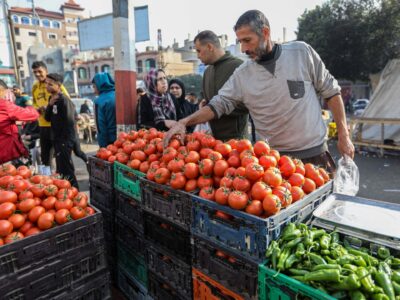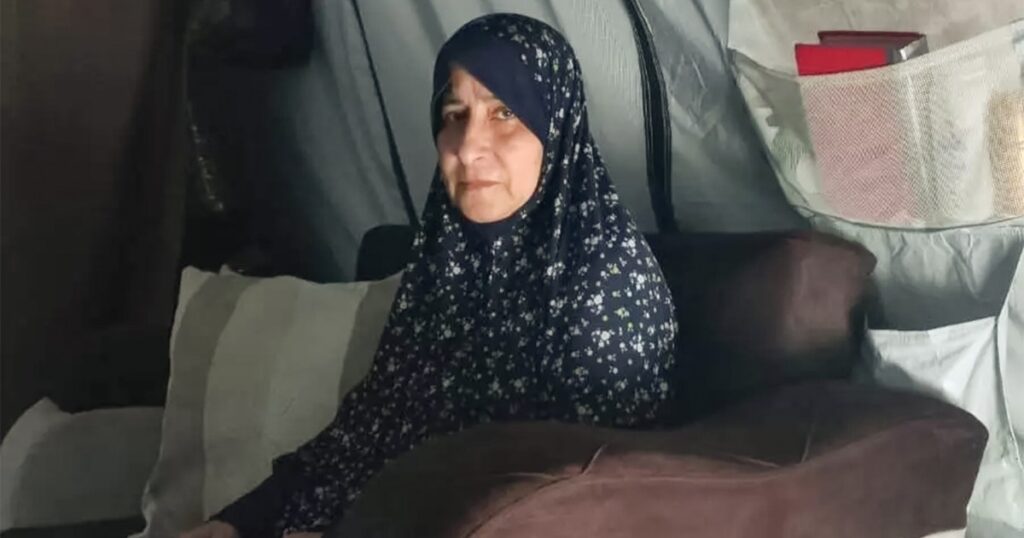
For the third year in a row, Palestinians in Gaza have been unable to participate in the annual Hajj pilgrimage due to Israel’s continued closure of the border. As millions of Muslims worldwide convene in Mecca, the spiritual heart of Islam, to fulfill one of the Five Pillars of Islam, the people in Gaza face yet another year of heartbreak and inability to join this significant religious journey.
The Hajj pilgrimage is a profound act of faith and unity, drawing Muslims from across the globe to Saudi Arabia. However, Palestinians residing in the Gaza Strip, a densely populated and severely restricted area, have found their aspirations thwarted amid ongoing geopolitical tensions and security measures.
Israel’s blockade on Gaza’s borders, already a source of severe humanitarian and economic hardship, extends to preventing residents from leaving for religious purposes, including the Hajj. This has been a painful reality for Palestinians for three years running, as borders remain tightly controlled with limited exceptions.
The impact of this blockade is felt deeply within Gaza’s community, where religious observance is a cornerstone of life and cultural identity. For many, the opportunity to perform Hajj represents not only a spiritual milestone but also a moment of hope and connection with the global Muslim community.
Human rights organizations and international advocates have repeatedly called for easing restrictions to allow Gaza’s Muslims to participate in the Hajj pilgrimage. They argue that religious freedom is a fundamental human right and should be respected even amid political conflict.
The closure of Gaza’s borders has resulted from a complex web of political, security, and diplomatic factors, primarily shaped by Israeli-Palestinian relations and regional dynamics. Israel cites security concerns as the basis for stringent controls, though critics emphasize the humanitarian consequences faced by the civilian population.
While some Palestinians from other regions have managed to undertake the pilgrimage through various arrangements, Gatza residents remain predominantly isolated. This continued exclusion contributes to a broader sense of disenfranchisement and emotional distress among Gaza’s Muslim community.
Saudi Arabia, the custodian of Islam’s holy sites, has voiced awareness of the situation but is limited in its ability to influence border policies directly. The Hajj remains a symbol of Muslim unity and peace, contrasting with the political divisions and conflicts that impede access for many.
As the annual pilgrimage draws to a close this year, the absence of Gaza’s faithful is a poignant reminder of the ongoing struggles faced in this region. For the Muslims of Gaza, the hope remains that future years will bring changes, allowing them to join millions in fulfilling this sacred and unifying religious obligation.
The third consecutive year of Israel’s blockade during Hajj time underscores the intersection of faith and politics in the Israeli-Palestinian conflict. It highlights the urgent need for dialogue, understanding, and policies that consider humanitarian and religious rights alongside security concerns.
Ultimately, the story of Gaza’s blocked pilgrims resonates beyond the region, reminding the world of the profound human dimensions underpinning geopolitical disputes. As the global Muslim community reflects on the meaning of Hajj, so too must the international community reflect on the barriers preventing some of its most devout members from participating.