The eastern Democratic Republic of Congo (DRC) is witnessing a surge in attacks on Ebola treatment centres as fears of an outbreak escalate. Local communities, caught between traditional practices and modern medical interventions, are growing increasingly mistrustful and angry over the handling of Ebola burials, which has led to heightened tensions.
Ebola virus disease (EVD) remains a critical public health challenge in the DRC, where recent cases have sparked widespread concern. Efforts to contain the virus have included the establishment of treatment centres and strict protocols for the management of Ebola burials to prevent further transmission. However, these measures have clashed with the cultural and religious burial customs of local communities.
Residents in affected areas have expressed their frustrations over the handling of the deceased, which prevents families from conducting traditional funerary rites. Such practices are deeply ingrained in the social fabric of the communities, and the perceived disrespect of these traditions has fueled anger and resistance.
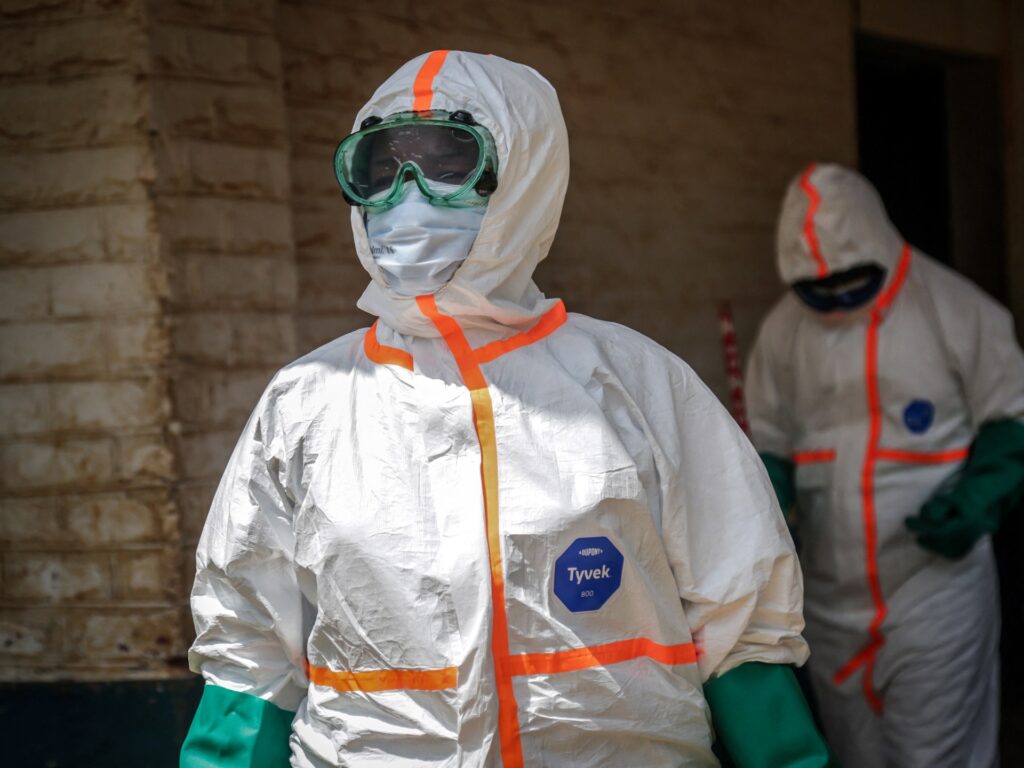
This mistrust has manifested itself in attacks on Ebola treatment centres, with health workers often targeted. These attacks disrupt critical medical operations, threaten the safety of frontline responders, and hinder the containment of the disease.
Health authorities and international organizations are working to bridge the gap between public health imperatives and local customs. Community engagement initiatives have been intensified to educate and involve local leaders and members in the response effort, aiming to build trust and encourage cooperation.
Experts stress that understanding and respecting local traditions while ensuring safe burial practices is key to controlling the spread of Ebola. Without community support, efforts to contain the virus face significant obstacles.
The intensification of attacks reveals the urgent need for culturally sensitive approaches in health interventions. Balancing public health priorities with respect for long-standing traditions could be decisive in curbing the outbreak and safeguarding communities in eastern DRC.
As fears of an Ebola outbreak grow, the situation in eastern DRC remains highly volatile, with a critical need to protect health workers, maintain ongoing response operations, and foster trust within affected populations to prevent further escalation.